Quick summary: Georgia’s primary runoffs finished, leaving Rep. Mike Collins as the GOP Senate nominee and Rick Jackson as the GOP nominee for governor; the fall races will pit Collins against incumbent Sen. Jon Ossoff and set up a competitive gubernatorial contest.
Georgia just wrapped up pivotal GOP runoffs that decide two of the state’s highest-profile fall matchups. The results give conservatives clear nominees and a focused path to retake important ground in Washington and at home. Voter attention will now shift to general election strategy and turnout.
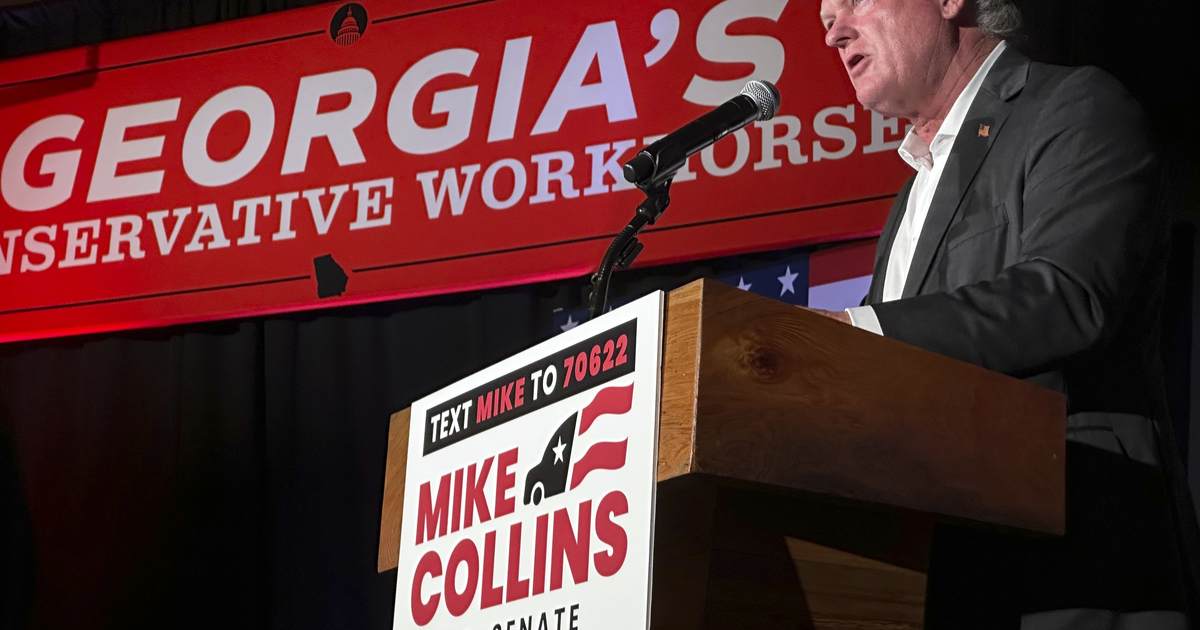
Rep. Mike Collins easily defeated Derek Dooley with 53 percent of the vote so far, locking up the Republican nomination to challenge Sen. Jon Ossoff in November. Trump endorsed Collins, though it was widely seen as a race Collins would cruise to victory in. Collins has a record on conservative issues that energized the base during the runoff.
https://x.com/DecisionDeskHQ/status/2067036048463462609
He was a key player in securing the passage of the Laken Riley Act, which helped define his law-and-order message to voters. That piece of legislation became a talking point for Collins and reinforced his standing with suburban and rural Republicans alike. Expect that record to be central in his general-election messaging.
On the other side, Gov. Jon Ossoff holds the incumbency advantage that always matters in tight races. Ossoff has learned a lot from his 2017 loss in the 6th congressional special election to Karen Handel. He’s stayed relatively quiet on some of his party’s wildest policy positions, which could blunt attacks and help appeal to moderates.
Ossoff has also proven he can raise money, and fundraising will shape how competitive this contest becomes. Money bought messaging and ad time in 2017 and it will do the same in 2026, especially in media markets and on digital platforms. Collins will need to match or outmaneuver that cash advantage with grassroots enthusiasm and disciplined messaging.
This will be a tough fight. Both camps know the stakes: control of the Senate is razor thin and Georgia’s electoral map can swing quickly. Republicans have reason to be optimistic given the candidates and the issues voters care about right now.
UPDATE: Rick Jackson has won the Georgia GOP gubernatorial runoff. That race adds another layer to the fall’s politics, since the governor’s office will play a major role in state policy and election administration. Jackson’s nomination gives the GOP a clear alternative to the Democratic incumbent and a chance to unify messaging statewide.
Voters in Georgia will see a contrast in November between a conservative, results-focused Senate candidate and a Democratic incumbent who has scaled up national-profile themes. The Republican argument will center on crime, border security, parental rights in education, and fiscal discipline. If Republicans can keep the messaging tight and turnout robust, Georgia looks winnable.
Organizing will be everything between now and November: candidate travel, targeted advertising, and ground game operations across metro Atlanta and deeper into the suburbs and exurbs. Primary victories clear the field and let nominees focus on persuasion and turnout instead of intra-party fights. That clarity benefits Republicans who are ready to move fast and stay disciplined.
Expect a lot of national attention and heavy ad spending as both parties see Georgia as a battleground that could decide control of Congress. Each campaign will try to nationalize or localize the contest depending on which strategy looks better in the polls. Regardless, the coming months will be a test of messaging, stamina, and whether voters respond to a conservative reset at the ballot box.
Local issues will matter too, and Republican nominees will press advantages where they have them: criminal justice reforms they supported, legislative achievements, and appeals to independent voters worried about the direction of the country. Democrats will lean on incumbency and national fundraising to try to blunt the GOP momentum. The outcome will hinge on turnout, persuasion, and which side better convinces Georgians to show up in November.
Campaigns will now pivot from primary arguments to general-election contrast, and that shift changes both tone and tactics. Expect clearer, sharper choices on the ballot and nonstop outreach aimed at persuadable voters. This fall will be competitive, intense, and decisive for both the Senate and the governor’s mansion in Georgia.
This won’t be easy.