The owner of a North Carolina tax-preparation business admitted to running a scheme that produced nearly $14 million in fraudulent COVID-era refund claims, with multiple preparers already pleading guilty and federal prosecutors moving forward with sentencing and ongoing investigations.
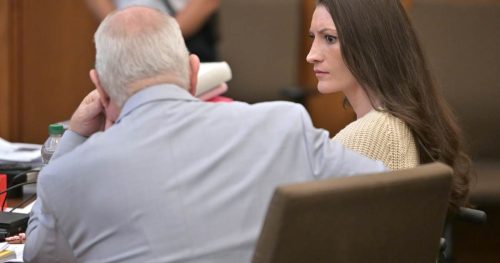
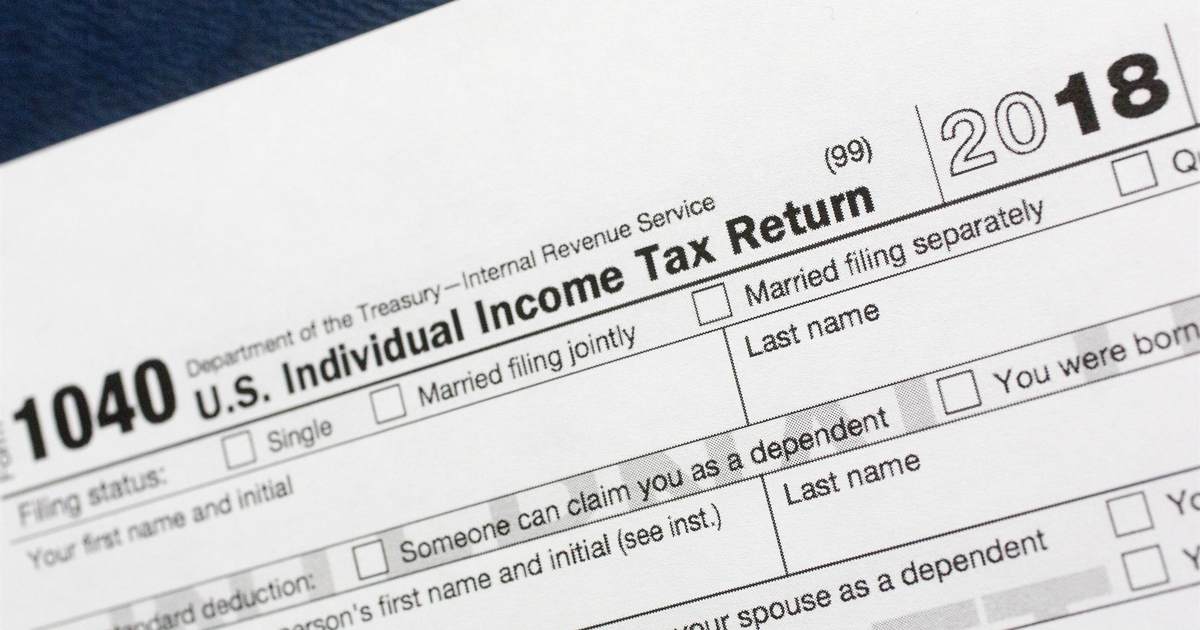
The owner, Nejlai Mitchell, pleaded guilty this week after authorities say she and a team prepared and filed tax returns that falsely claimed refundable credits tied to paid sick and family leave. The business operated out of Lumberton and Hope Mills, North Carolina, and the alleged scheme ran from about April 2022 through May 2023. Prosecutors say the false claims were built around credits Congress created during the COVID-19 pandemic.
According to court filings, the Internal Revenue Service paid roughly $13,890,697 on the fraudulent refund claims tied to the conspiracy. Seven other return preparers have previously admitted guilt in the same case, and several co-defendants have already entered pleas across 2025 and 2026. Investigators say the filings systematically inflated or invented payroll and leave amounts to trigger large refundable credits.
“Instead of honoring their legal and ethical duties as tax preparers, this group allegedly engineered a calculated scheme to enrich themselves by submitting false returns,” said Assistant Attorney General Colin M. McDonald of the Justice Department’s National Fraud Enforcement Division. “Stealing taxpayer funded relief in a national emergency is both reprehensible and deeply harmful to the public, and we will not hesitate to hold accountable those who exploit a crisis for personal gain. The Fraud Division remains unwavering in its commitment to protecting the integrity of federal relief programs and pursuing tax fraud wherever it occurs.”
Mitchell’s guilty plea came shortly after Whitnee Leach admitted participation in the same conspiracy and pleaded guilty on May 19, 2026. Both Mitchell and Leach also admitted to assisting in the preparation of false federal tax returns, according to the filings shared by prosecutors. Those admissions tie them directly to the fabricated numbers used to claim the refundable credits.
Six additional co-conspirators previously pleaded guilty to preparing returns that contained materially false items for clients. Tiffany Moody and Shaneen Ray entered pleas on December 9, 2025; Eyoubo McBurney and Katrena Stanback pleaded guilty on September 24, 2025; and Jeannie Negron and Sylvia Swindell pleaded guilty on August 20, 2025. Authorities say those preparers helped submit or shepherd returns that misrepresented wages, leave usage, or employer eligibility for the credits.
Sentencing dates are set across the coming months: Mitchell is scheduled to be sentenced in September, and Leach is set for August. Mitchell and Leach face potential maximum penalties of five years for conspiracy and three years for preparing and filing false tax returns. The other six defendants each face a maximum of three years in prison for preparing and filing false federal returns, with their sentencing hearings slated for July 2026.
https://x.com/DOJFraudDiv/status/2069848699467878842
The announcement was made by Assistant Attorney General Colin McDonald and U.S. Attorney W. Ellis Boyle for the Eastern District of North Carolina. IRS Criminal Investigation is leading the probe, and the case is being prosecuted by Trial Attorney Caroline Pearson and Assistant U.S. Attorney Ethan Ontjes. Federal authorities say the investigation remains active and that additional enforcement actions are possible as the inquiry progresses.
On April 7 the Department of Justice unveiled the National Fraud Enforcement Division, a unit focused on pursuing complex frauds against federal programs. The Fraud Division’s work is described as closely tied to a broader federal effort to identify and stop fraud, waste, and abuse in benefit programs. Officials referenced a whole-of-government task force aimed at eliminating fraud as part of those efforts.
The case highlights how refundable pandemic-era tax credits attracted abuse after their creation to help businesses and workers during the public health emergency. Prosecutors emphasized that those who take advantage of federal relief programs for private gain face federal charges and potential prison time. The courts will determine final sentences after considering guidelines and statutory factors for each defendant.