Caitlin Clark’s emergence has stirred debate about league promotion, on-court incidents, and how coaches respond in public.
Caitlin Clark has become a central figure in discussions about the WNBA’s visibility and marketing choices, and that attention has highlighted tensions inside the league. Some observers say the league’s promotional decisions — including who appears on anniversary materials — have raised questions about priorities and messaging. Commentators have even labeled the league “paranoid, weird, and insular,” reflecting a broader conversation about how the WNBA manages its biggest new star.
Alongside promotion debates, Clark’s play draws intense scrutiny on and off the court. Critics point to apparent snubs from certain marketing pieces and special-edition covers as examples of missed opportunities to broaden the audience. At the same time, Clark’s scoring and style continue to drive interest in games and media coverage.
https://x.com/awfulannouncing/status/2070191723850899851
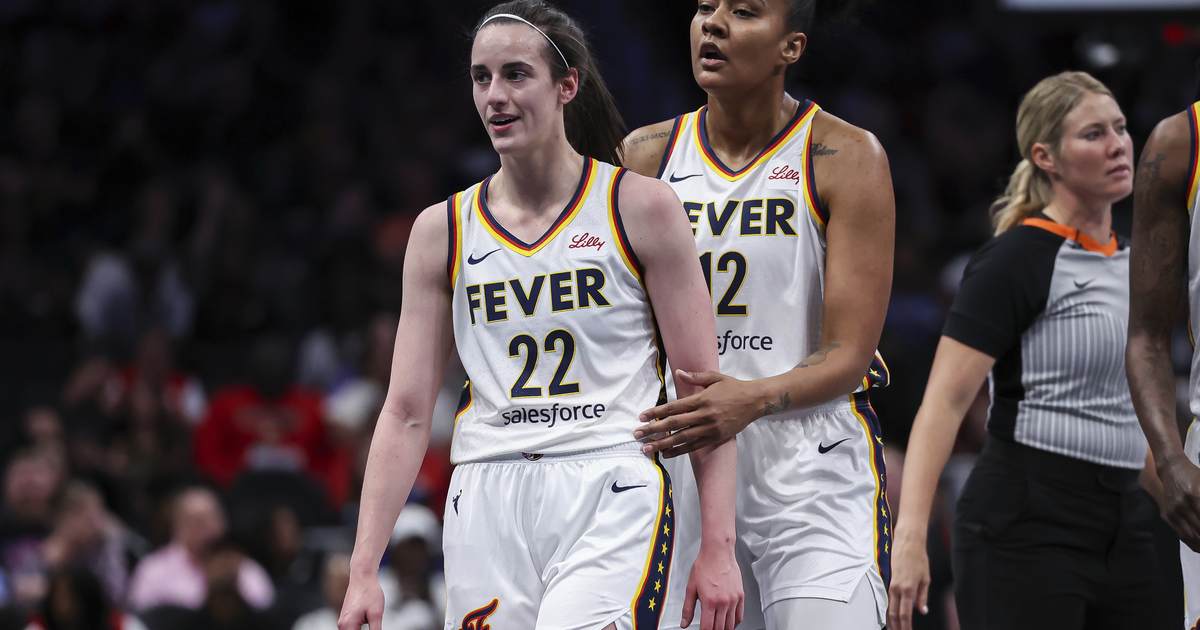
Tensions escalated during a recent game when Phoenix Mercury forward Alyssa Thomas struck Clark in the throat during a scramble for the ball. Referees did not call a foul at the moment, but the incident was captured on video and later reviewed by the league. After review, the hit was upgraded to a flagrant two and Thomas received a one-game suspension.
The Phoenix Mercury’s Alyssa Thomas has received a flagrant foul penalty and been suspended for one game after hitting Indiana Fever guard Caitlin Clark in the throat during a game Wednesday night, the WNBA said Thursday.
The hit happened with 6 minutes and 52 seconds left in the second quarter of the Fever-Mercury game at Gainbridge Fieldhouse. Thomas’ fist made contact with Clark’s throat while the two scrambled for the ball.
In the moment, no foul was called by referees, which Fever coach Stephanie White called “egregious” in comments after the game.
“The fact that it was a no-call … You got to call it,” White said, adding that the lack of a foul in the moment was “absolutely unacceptable.”
Reactions to the play were swift and varied, from straightforward calls for accountability to broader debates about officiating standards. Fever coach Stephanie White publicly criticized the on-court non-call as “egregious” and pressed the league for better immediate enforcement. The suspension underscored the gap between what happened in real time and the disciplinary steps the WNBA could take after review.
Off the sidelines, social media amplified the incident and the responses to it, including posts from team staff and former players. Phoenix associate head coach Kristi Toliver posted a social message that quoted Michelle Obama, which some readers found jarring given the nature of the on-court contact. Observers noted the juxtaposition between a historical quote about bullying and an in-game act of physical contact directed at a player’s throat.
Many onlookers argued that invoking a famous quote did not address the specific sequence of events and that the messaging felt out of step with the facts on the court. That reaction reflects a common pattern when social posts from high-profile figures intersect with hot-button moments: context matters, and mismatches are quickly called out. The exchange pushed the conversation beyond the box score, into how teams and staff communicate publicly after incidents.
The episode brought renewed attention to how the WNBA balances player safety, discipline, and public image when incidents occur. In-game enforcement and post-game review each play different roles, and critics argue the league should aim to minimize the discrepancy between the two. As Clark’s profile grows, similar flashpoints are likely to keep testing those systems and how the league responds in public.
Coverage of the situation has underscored divergent views about the league’s direction and its handling of high-profile players and incidents. Some see opportunities for clearer, more consistent communication and policy application, while others interpret the events as evidence of deeper cultural misalignments. The conversation now includes officials, coaches, players, and fans debating the right balance between competitive intensity and player safety.