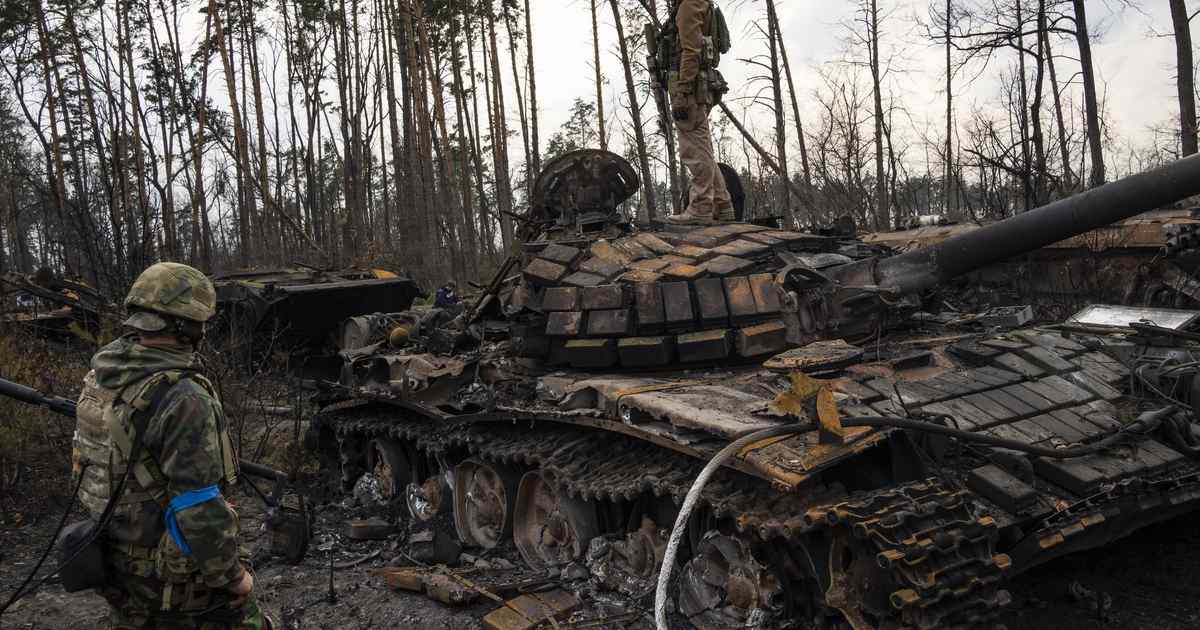
New reporting paints a grim picture: Russian recruits are dying almost immediately after hitting Ukraine’s frontlines, exposing a catastrophic mix of poor training, drone-driven tactics by Kyiv, and a collapsing Russian military system.
The Ukraine conflict has settled into a grinding stalemate, but the human cost on the Russian side is sharply rising. Supply problems, a shredded officer corps, and rushed conscripts have reduced much of Russia’s effort to a brutal churn of men and materiel. From a Republican perspective, it’s a sign that Putin’s gamble has failed and that weakness on the battlefield invites continued pressure from Western-backed Ukrainian defenses.
Recent reports put the average life of a fresh Russian soldier on the frontline at shockingly short spans of time. Some sources suggest newly arrived conscripts survive only minutes once they reach combat zones, a blunt statistic that underlines how badly Moscow is screening and preparing fighters. When troops are pushed forward with days of training, the result is predictable and tragic.
The reliance on cheap manpower has not solved Russia’s tactical problems. Moscow reportedly recruits hundreds of thousands on short-term contracts but still struggles to hold territory or even launch sustained offensives. Those figures — massive recruitment numbers alongside plunging retention and rising losses — show a force losing both quality and will.
New Russian recruits have a life expectancy of just 20 to 35 minutes in combat in Ukraine — showing how quickly Vladimir Putin’s troops are falling victim to drone warfare, according to chilling reports from Moscow.
Once a soldier is signed up to fight, he can expect to live for just 10 days to three weeks — from arrival at the training ground to death in combat, according to historian Peter Frankopan in an op-ed for Foreign Policy, citing Russian military bloggers.
[…]
In late 2025, Russian officials claimed they had recruited more than 420,000 new soldiers for year-long military contracts, but even state media admits those numbers are down some 30% this year.
According to military bloggers, Russia still recruits roughly 800 to 1,000 new voluntary contract soldiers per day, with many of them rushed through just a handful of days of combat training.
Average monthly casualties are now running at more than 30,000, with various Western sources putting the total Russian casualties at more than 1 million since the start of the war in February 2022.
Russia — which has a population of about 143 million — is now suffering eight casualties for every one lost by Ukraine, according to estimates cited by Frankopan.
[…]
The extremely high Russian casualty rate is blamed on the astonishing rise in military drones, which have become Ukraine’s most effective weapons.
Those quoted passages are stark and raw, and they match what we’ve watched play out on the battlefield: drones, precision targeting, and smart use of intelligence multiply Kyiv’s defensive reach. From a tactical standpoint, drone warfare has made static formations and last-minute conscript pushes suicidal. For voters who back strong defense, the takeaway is clear: the free world should keep supporting Ukraine while avoiding entanglement that lets Moscow rebuild its armies unchecked.
Digging into the numbers reveals painful math: when monthly casualty estimates reach tens of thousands, manpower becomes the limiting factor more than tanks or artillery. The Kremlin’s reported recruitment drives look large on paper but hollow when the training pipeline and battlefield survivability are counted. That mismatch fuels a cycle of desperation and ever-poorer combat effectiveness.
On the political side, leadership and morale matter as much as hardware. Russian units suffer not just from equipment shortfalls but from fractured command and degraded logistics, problems that weapons alone can’t fix. Republicans arguing for firm deterrence and smart aid see this as evidence that weakening an aggressor on the battlefield is both possible and necessary to avoid longer-term threats.
For now, the war grinds on with awful statistics and no clean victory in sight for either side. But the acute losses suffered by Russian recruits change the calculation: the Kremlin’s manpower strategy looks unsustainable, and that matters for how policymakers weigh future support, sanctions, and military aid. The brutal reality at the frontlines should shape sober choices in capitals that still support Ukraine’s defense efforts.