
San Diego County has laid out a Fourth of July program that swaps a straightforward celebration for a long, identity-focused sequence of rituals, speeches, and a delayed fireworks finale.
San Diego County officials published an agenda for their Independence Day event that leans heavily into identity ceremonies rather than traditional patriotic rituals. The schedule opens with a “tribal intimate blessing” of the site and a formal recognition that the county is celebrating on “stolen land.”
The invocation will be given by “Tribal[s],” not a Christian clergy or a standard civic speaker, signaling a clear shift from traditional ceremony to cultural ritual. That choice marks the tone for an evening organized around group identity and symbolic conciliations.
https://x.com/MayorBillWells/status/2071705237019095222
There is one unmistakably patriotic moment early in the lineup: the playing of the national anthem. Immediately after, the program lists a performance of the “black national anthem” that found prominence during the peak-woke era of the early 2020s.
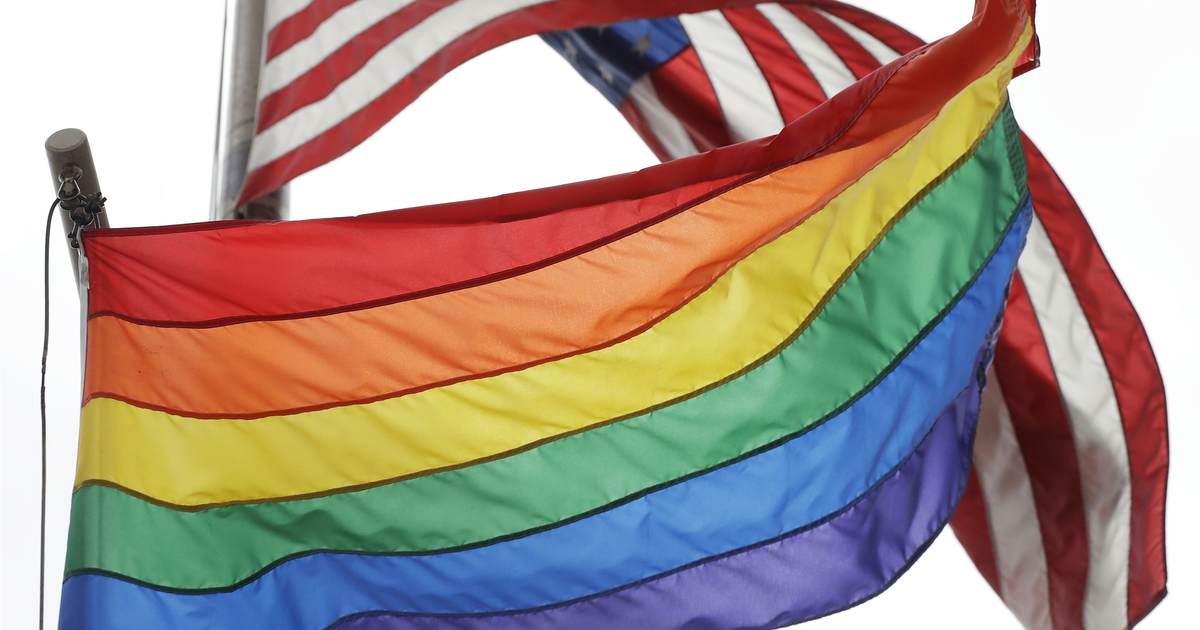
The bulk of the program is a block of community presentations billed simply as “stories,” with several identity groups scheduled to speak. The “local tribal,” “LGBTQAI+,” and “black and African” communities are each allotted 25 minutes, a structure that converts the evening into organized time for personal and collective narratives.
Expectations set by the agenda imply those “stories” will focus on grievances and identity-based experiences, since the listing flags themes like “shared trauma” and “struggles” in the descriptions. Placing those topics at the center of an Independence Day program treats the holiday as a platform for airing cultural wounds instead of uniting citizens around common national values.
The timing on paper adds up to a long evening before traditional entertainment arrives. After more than four hours of scheduled remarks and rituals, only then does the program include a fireworks show. That sequencing leaves the celebration’s patriotic spectacle as an almost afterthought, delayed until late in the night.
For many residents who view July Fourth as a straightforward celebration of the United States, the agenda will feel out of step. The emphasis on identity-first ceremonies and extended speaking blocks makes this event a civic performance designed around modern cultural priorities rather than a concise, upbeat commemoration.
Local attendees who prefer a classic Fourth of July—flags, brief speeches, and fireworks—now have advance notice and time to choose other plans. The published schedule gives San Diego County citizens the option to skip an event organized primarily as a showcase for identity groups and pick a more traditional celebration elsewhere.
