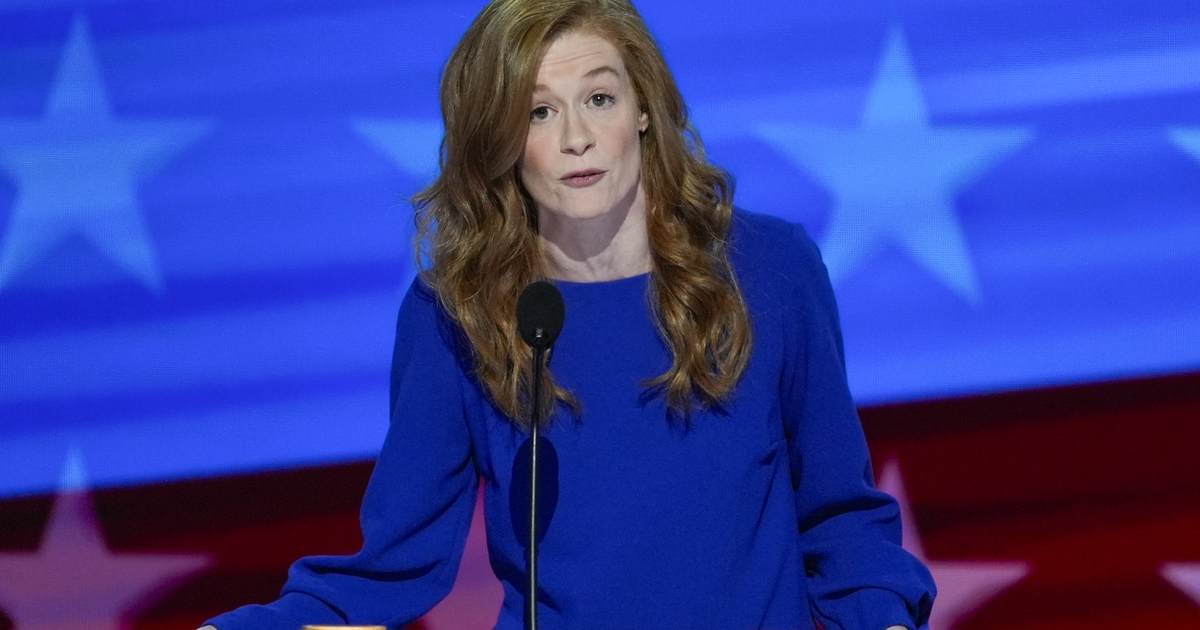
Michigan state Senator Mallory McMorrow abruptly ended her U.S. Senate bid amid a flurry of reports and controversies, leaving Democrats scrambling to choose between Haley Stevens and Abdul El-Sayed for the nomination while Republicans prepare to face Mike Rogers in November.
Mallory McMorrow confirmed she was dropping out after reports surfaced in local media. The announcement came fast and turned what had been a crowded Democratic primary into a contest between two established figures and a socialist challenger.
The News cited three anonymous sources. That detail underscored how the campaign collapse unfolded through leaks and quick reporting, rather than a slow, planned exit from McMorrow’s team.
Democrat voters in Michigan now must choose between socialist Abdul El-Sayed and U.S. Representative Haley Stevens to vie for the Senate nomination. Whoever wins that primary is widely expected to face Republican Mike Rogers in the general election.
https://x.com/MalloryMcMorrow/status/2073823061191659714
McMorrow’s campaign never recovered from a string of damaging revelations. In April, CNN exposed that she had deleted about 6,000 tweets, many of which painted Michigan and the Midwest in an unflattering light and suggested she had stronger ties to California than to the state she represents.
The same reporting found she maintained a California residency until mid-2016, a timeline that clashed with details in her memoir and the hometown-first image she tried to present on the trail. Among the resurfaced posts were complaints about winters and declarations like “cars are dead,” phrases that made swing voters question her judgment and local commitment.
McMorrow ran on affordability and took clear aim at President Donald Trump, but that stance didn’t lock down primary voters who are moving left in some parts of the Democratic electorate. Many activists and voters in Michigan have made Medicare for all and more progressive economics top priorities, and some viewed McMorrow as not sufficiently aligned with those demands.
Her campaign was further complicated by heated rhetoric and awkward alliances. McMorrow had compared the Trump administration to Nazis while Democrats supported Graham Platner, a man who had a Nazi tattoo on his chest, which opened her to attacks about tone and judgment from both the left and the right.
Local critics also flagged a disconnect between her public policy positions and personal finances, noting she pushed a water affordability package while reportedly racking up a $3,000 unpaid water tab at her million-dollar home. Those kinds of contradictions proved politically costly and fed a narrative of inauthenticity.
The exit reshuffles the map in Michigan, narrowing options for voters and changing the dynamics of a race that Republicans were already watching closely. For GOP strategists, McMorrow’s departure clears a path to focus on a single Democratic opponent and sharpen contrasts heading into November.