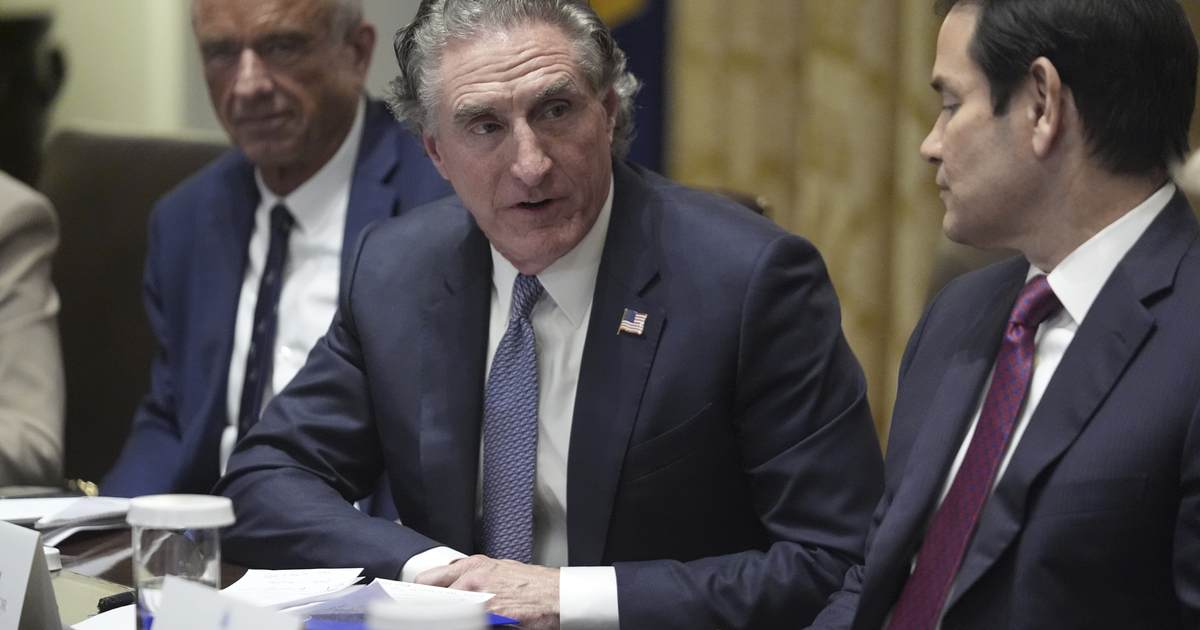
Interior Secretary Doug Burgum squared off with CNN hosts over the fenced Reflecting Pool, pushing back on claims about repairs, safety, and timing during America’s 250th celebration.
The Reflecting Pool became a lightning rod this summer, dragged into a culture-war fight it didn’t ask for. For years it sat in need of upkeep, and when the job to restore it coincided with America 250 plans, the usual suspects treated routine maintenance like a scandal. That reaction only amplified an otherwise straightforward sequence of repairs followed by repairs being completed and a temporary safety closure.
Initial efforts to clean the pool ran into predictable problems: algae bloomed in warm weather, and there were reports of vandalism that set the work back. Those setbacks were real but not unusual for a public water feature exposed to heavy use and bad actors. Once crews returned and fixed the issues, the site was safe again, but the headline-grabbing part of the story had already been written by commentators eager to turn a simple repair into something bigger.
The other reason the pool area was fenced off for the Fourth of July was practical and immediate: the largest fireworks display in the country was staged along the pool’s edges. That setup required a safety perimeter while pyrotechnics were assembled and tested, and it’s the kind of restriction event planners impose every year. CNN host Dana Bash raised the timing of the closure in an interview with Burgum, questioning why the area was off-limits before Independence Day.
https://x.com/RedWavePress/status/2073857715642724572
Interior Secretary Doug Burgum: “It was closed because it’s surrounded by fireworks. It’s closed every year on the Fourth of July.”
Dana Bash: “But it was closed prior to that in order to fix the Reflecting Pool.”
Doug Burgum: “No, it was closed because the largest fireworks display in the country was set up, and it lines either side of the Reflecting Pool. You can’t have people around fireworks when they’re being set up.”
“Now that the fireworks will come down, the fence will come down. The fence was there because of the fireworks.”
The exchange underlined a basic point: safety and logistics often explain short-term inconveniences that otherwise get politicized. When a high-profile event like America 250 requires a massive fireworks rig, common-sense safety measures take priority over photo ops. Burgum’s answers pushed back against framing that suggested the closure was secretive or politically motivated rather than routine and safety-driven.
We know you guys wanted Independence Day to be a disaster. It wasn’t. That’s why you’ve stooped to whining about the Reflecting Pool, you losers.
That blunt line captured the tone of the confrontation and reflected a Republican impatience with media narratives that chase controversy over facts. Whether you agree with the bluntness or not, the substance is simple: repairs were done, the fireworks required a fenced work zone, and the pool will be open when conditions make it safe. The real story isn’t a fight over concrete and water; it’s how quickly routine civic work can be amplified into outrage when it intersects with a big national celebration.