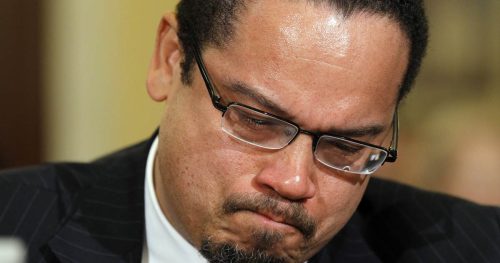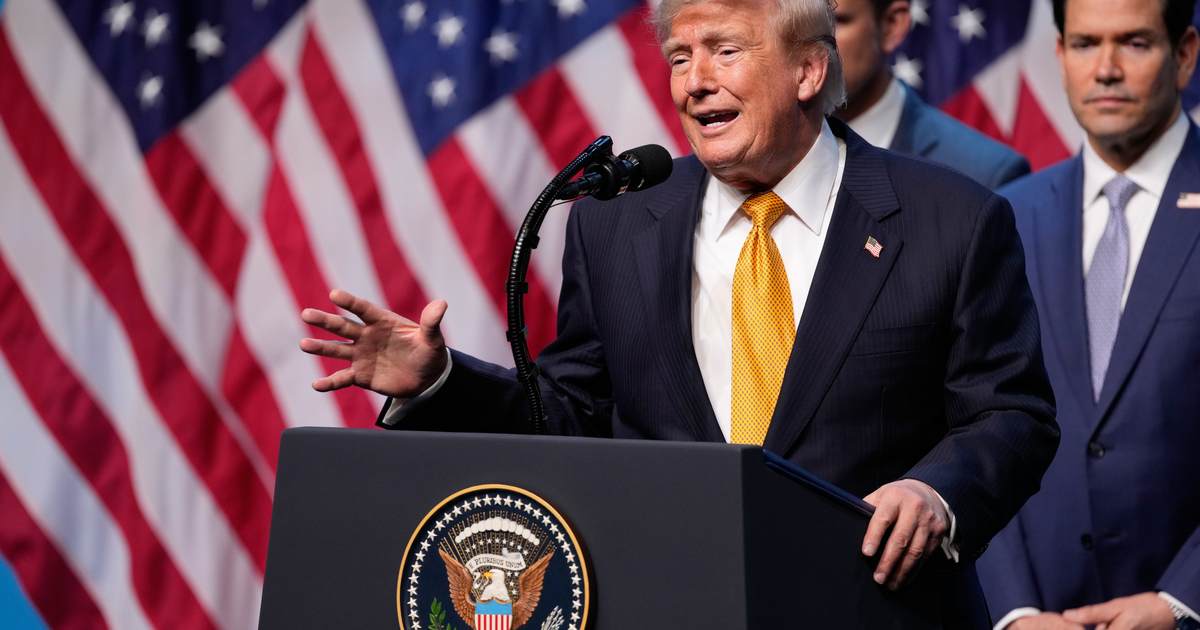
President Trump has removed two Democratic members of the federal Election Assistance Commission, leaving the panel empty after the lone Republican resigned, a move that has already sparked sharp criticism and claims about the integrity of November’s elections.
Expect the left and its media allies to scream that this is an attempt to rig the vote. That predictable reaction won’t change the basic fact that the president acted within a recent Supreme Court reading of executive authority. For many on our side, this looks like restoring accountability to an agency that has often been politically stuck.
The immediate action was simple and decisive: two Democratic commissioners of the four-member Election Assistance Commission were fired, and the remaining Republican had already resigned. The EAC was set up after the disputed 2000 election to issue voluntary guidance and develop technical specifications for voting systems. It has no enforcement power, which makes the hysteria over a temporary vacancy even harder to take seriously.
The White House fired two Democratic Election Assistance Commission members Thursday afternoon, completely vacating the federal agency in charge of election management guidelines after the remaining Republican member resigned.
[…]
“Trump couldn’t rig the elections through the SAVE Act, so he’s now moving unilaterally to subvert the 2026 elections starting with sacking the bipartisan EAC commissioners,” said Tim Lim, a Democratic strategist working on election administration issues. “Between the FBI surging into Fulton County and today’s action, it’s clear Donald Trump is determined to stop a free and fair election this November.”
[…]
Congress established the small federal agency through the Help America Vote Act after the tightly contested 2000 presidential election in order to provide best practices to state and municipal election officials, as well as to develop specifications for testing and certifying voting systems. The four-person, bipartisan panel issues voluntary guidance and holds no enforcement authority.
Republicans have tried — unsuccessfully — to eliminate the agency, the size of which former President Joe Biden doubled during his term. It now has just 65 employees after a wave of Trump cuts.
Other election officials and lawmakers have criticized the agency for not adequately advancing election security measures in the past, though the commission’s membership has been in flux throughout its existence. The EAC was without a quorum for years — frozen in its abilities to update voting guidance — until the Senate confirmed new commissioners in 2019.
Thursday’s firings could endanger the government’s ability to make bipartisan election-related recommendations ahead of the midterms, particularly as Trump moves to aggressively reshape the way the country votes.
The agency’s history shows a small, often stalled body that issues advisory guidance while leaving actual election control to states and local officials. That limited role undercuts the argument that removing commissioners suddenly hands the White House sweeping power over ballots and machines. In practice, states continue to set rules and run their own systems regardless of federal staffing levels.
Critics point to the timing and say emptying the EAC could hurt bipartisan cooperation before the midterms. Those concerns are reasonable on their face, but they ignore how often the commission has been unable to act because of partisan deadlock. An agency that can’t function because of politics doesn’t necessarily serve the public interest simply by existing.
The legal backdrop matters here. Courts have recently clarified presidential authority over certain independent officials, trimming protections that once insulated those roles from removal. The so-called Slaughter ruling clarified that some commissioners can be dismissed without cause, a decision that excluded the Federal Reserve but directly involved the firing of FTC Commissioner Rebecca Kelly Slaughter. That precedent gives the White House stronger footing for these personnel moves.
From a conservative perspective, this is less about power-grabbing and more about accountability and practical governance. If an agency is bloated, underperforming, or frozen by partisanship, the executive branch acting to change its leadership is not radical — it is governance. Opponents can howl, but the constitutional question of who hires and fires certain officials is now settled more in favor of presidential discretion.
Democrats will weaponize this episode as proof of some grand conspiracy to steal elections, and the media will amplify that line without much skepticism. That predictable strategy aims to delegitimize opponents rather than engage with the legal and operational realities on the ground. Conservatives should point out the agency’s limits, the state control over elections, and the legal authority the president exercised.
What comes next will matter more than the headlines. Congress could act to reform or reauthorize the EAC with clearer rules, states can continue to strengthen their own election systems, and courts will remain the arbiter when authority and procedure collide. Until then, this firing is a reminder that personnel decisions at small agencies can provoke big political noise without necessarily changing how Americans actually vote.