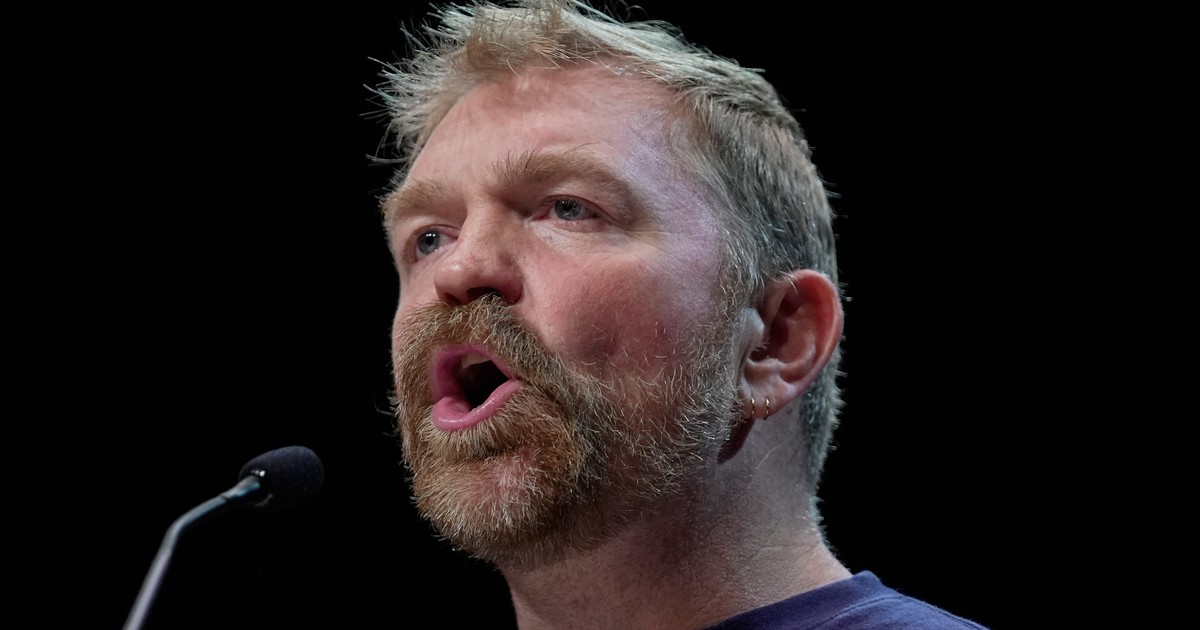
Graham Platner has withdrawn from the Maine U.S. Senate race, and his exit is drawing sharp reactions after the provocative final line of his resignation letter. State officials confirmed the withdrawal and outlined the clock for a potential Democratic replacement. The move follows serious allegations that he denies and sets up a scramble among Maine Democrats ahead of the general election.
The Secretary of State’s office confirmed late on Friday that Graham Platner has officially pulled out of the Senate contest in Maine. His letter ended with the exact words: “F*ck ICE. Free Palestine. Up the Hearts,” and he said his “name may have been on the ballot, but that ballot line belongs to the people of Maine.” That closing line has become the focal point of attention as the party races to replace him.
Platner had already suspended his campaign earlier in the week after a rape accusation surfaced, which he denies, creating immediate uncertainty about the Democratic ticket. The allegation and his abrupt exit leave the party little time to regroup before November’s matchup with Senator Susan Collins (R-ME). With ballot rules in play, Democrats are now weighing their options for a replacement nominee while trying to limit political damage.
“Because the candidate officially withdrew before 5 p.m. of the 2nd Monday in July (July 13, 2026), his name will not appear on the ballot, and his political party may replace him. The deadline for the party to name a replacement is the 4th Monday in July (July 27, 2026),” the office wrote in a press release. Those specific deadlines mean party officials must act quickly if they want a new name on the ballot. The short window creates a logistical challenge and a high-stakes political vacuum in a swing-minded state.
https://x.com/grahamformaine/status/2075681947142004895
State officials also noted that “Maine Statute does not address how a replacement candidate may be chosen by a party, only that the candidate filling the vacancy must be a ‘qualified person,’” which leaves the mechanics of selection up to party leaders. That legal ambiguity hands power to internal Democratic committees and makes the selection process all the more political. Meanwhile, a non-party candidate window has closed, though individuals can still try to run as write-ins until August 25.
Media reports suggested Platner could have waited until a later deadline to withdraw, an option that might have given the party more flexibility with timing. Instead, his early departure accelerated planning for a convention-style replacement and intensified jockeying among hopefuls. Several names are already circulating inside the state party as potential nominees, signaling a fast-moving contest behind closed doors.
Potential candidates preparing to seek the nomination include former state health director Nirav Shah, former Secretary of State Shenna Bellows, Jordan Wood, and state Senate President Troy Jackson, each offering different appeals to primary voters. With the party deciding how to proceed, these figures will be evaluated on electability against Collins and their ability to unify the base. For Republicans, the turmoil presents an opening to highlight instability and contrast it with a steady incumbent.
The combination of allegations, a profane final note, and last-minute timelines creates an unusual and volatile moment in Maine politics. Party leaders must navigate legal rules, internal power plays, and voter optics as they choose a replacement in under three weeks. Expect heated internal debates and rapid maneuvering as Democrats try to shore up a nominee who can withstand both the campaign trail and Republican attacks.