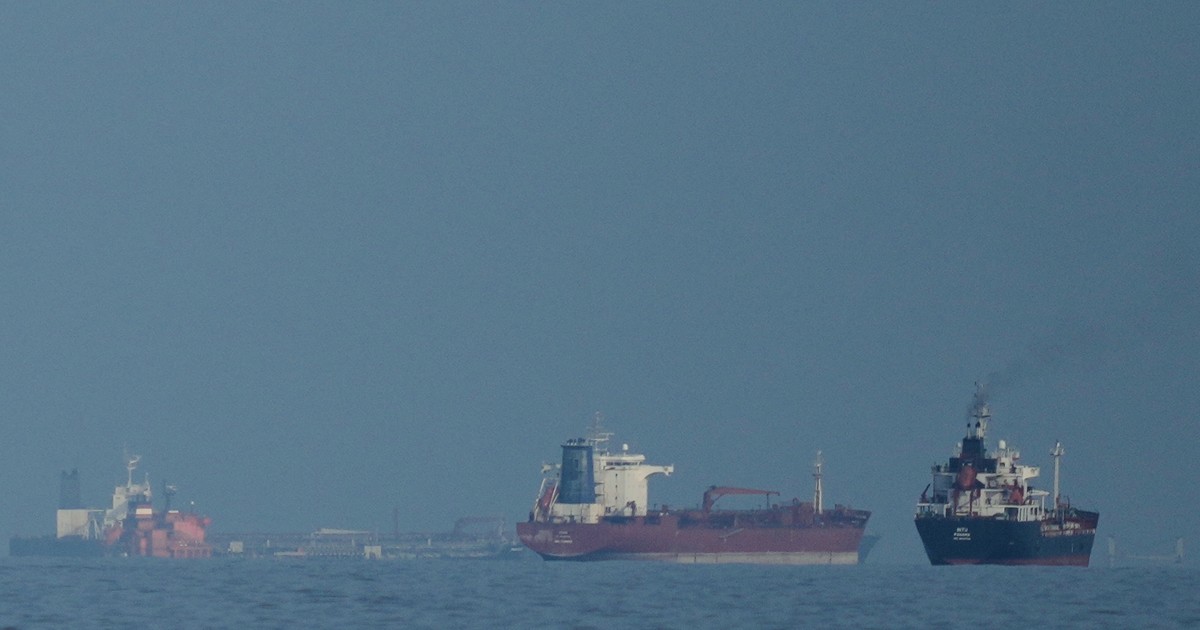
Iran has sealed the Strait of Hormuz and opened fire on a commercial vessel, heightening a dangerous standoff with the United States and threatening global shipping.
Iran’s sudden move to close the Strait of Hormuz is a direct challenge to international shipping and regional stability. U.S. officials asked Tehran to make a clear public statement that the waterway was open for commerce, but instead reports say an Iranian force fired on at least one commercial ship. That attack, reported over the weekend, instantly escalates a tense situation that had been simmering for weeks.
This confrontation comes after President Donald Trump took the controversial step of calling off what had been described as a cease-fire between the U.S. and Iran. With that decision, the calculus in Washington changed, and the expectation of immediate American pushback became widespread. The move has left allies and adversaries alike watching for how forceful Washington will be in defending free navigation.
The White House and U.S. commanders have signaled that a response is coming, and planners are considering a range of options that would hold Iran accountable while minimizing civilian risk. U.S. leaders say deterrence must be credible, and that means sending a message that attacks on neutral shipping will not stand. At the same time, any retaliation will be measured against the risk of wider escalation in the Persian Gulf.
https://x.com/NewsWire_US/status/2076075342184227320?ref_src=twsrc%5Etfw
Closing the Strait of Hormuz strikes at the heart of global trade, since roughly a fifth of the world’s oil passes through that chokepoint. Insurance costs for vessels, shipping delays and spikes in oil markets would be immediate, practical consequences of Iran’s posture. For Americans and partners dependent on predictable energy and trade flows, the stakes are tangible and urgent.
Last night, President Donald Trump said that “1000 Missiles” are aimed at Iran in case it assassinates him. That line, blunt and unapologetic, reinforces a posture of deterrence that the Trump administration has promoted since day one. From a Republican perspective, showing strength and readiness is the clearest way to prevent further Iranian miscalculations.
Diplomacy remains an option, but it must be backed by the credible threat of force and coordinated pressure from allies who value maritime freedom. Congressional leaders on both sides of the aisle have been briefed in closed sessions, and Capitol Hill will watch how the administration balances punitive steps with efforts to keep the wider region from erupting. Americans expect their government to protect commerce and sailors without dragging the country into an open-ended conflict.
Iran’s pattern of harassment against commercial traffic and oil infrastructure has grown bolder, and its willingness to use naval and proxy forces to project power is now an established fact. That behavior creates a simple choice for the United States: accept a new normal where Tehran can choke global lanes, or act decisively to restore order and deter future attacks. Republicans argue the latter is both necessary and in the national interest.
Practical U.S. responses on the table include sharply increased naval escorts, targeted strikes on assets used to threaten shipping, expanded sanctions against Iranian leaders and tighter coordination with Gulf partners. None of those options are risk free, but allowing a choke point like the Strait of Hormuz to remain closed is a far greater risk to the global economy and U.S. credibility. The coming days will reveal whether Tehran backs down under pressure or doubles down on its dangerous gamble.