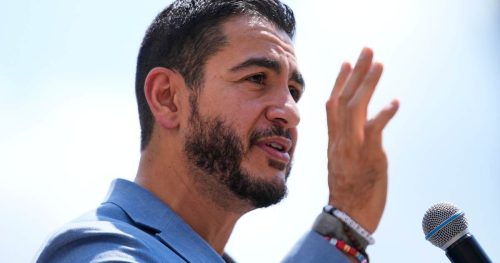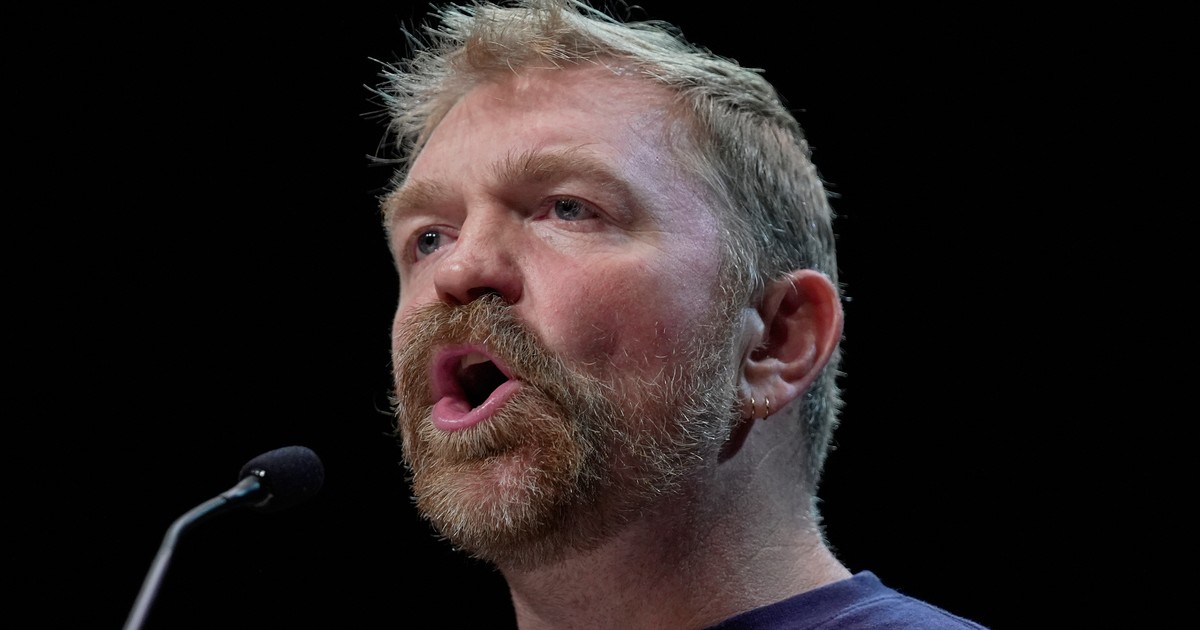
Democratic voters in Maine are reeling after Graham Platner abruptly suspended his Senate campaign amid serious allegations, leaving supporters and party leaders scrambling to respond.
The collapse happened fast once a rape allegation surfaced, cutting off access to key campaign tools and prompting a suspension that leaves Democrats hunting for a replacement candidate. What once looked like a rising progressive insurgency has been reduced to a mess of moral and political questions. Local women who pushed Platner forward now find themselves angry, confused, or grieving the loss of a voice they trusted to shake up the system.
Platner faces a string of troubling accusations: a rape allegation, allegations of domestic abuse, comments about rape fantasies and a controversial tattoo widely recognized as a Nazi symbol. One quote that circulated said he hoped someone would break into his home so he could assault them, but “not in a gay way,” which underscored the disturbing tone of some revelations. Given that record, the campaign had little path forward once donors and party committees began to pull support.
Cory Upton-Cosulich sat in a parked car by a hiking trail in Maine this week, fuming over the implosion of Graham Platner’s Senate campaign.
Her anger wasn’t directed at him.
It was aimed at the powerful people far away from her working-class harbor town who, one after the next, had rescinded their endorsements of a candidate she supported in the Democratic primary last month. The feeling was familiar — watching people in Washington decide who should represent her.
She said she believed the woman who had accused Mr. Platner of rape, a claim he has denied. She believed the other allegations too. She decided to support him anyway, because he had promised to work on her behalf, and she believed him.
[…]
Democrats at every level of the party assumed that women who had supported Mr. Platner would be thrilled that he was being pushed out of the race. Instead, some women in this independent-minded slice of the country who powered the progressive upstart’s meteoric rise are angry and grieving.
Some of their pain stems from the loss of a candidate who put words to their frustrations with a political system that they feel makes their lives harder, not easier. Mr. Platner, they said, made them believe that a different reality was possible. His vision resonated so deeply that neighbors who had spent a decade disagreeing found common ground in someone who sounded like them.
That excitement was powerful enough for many women to push past their own feelings, after a monthslong trickle of unsavory revelations, that Mr. Platner was a morally compromised candidate. He had weathered scrutiny over a tattoo that is widely recognized as a Nazi symbol, a history of offensive online posts and a series of allegations by women he had dated that he had acted in disturbing ways.
“I supported him with trepidation,” said Kat Higgins, 64, a retired nurse, on a power walk through the coastal city of Belfast this week. “I was giving him the benefit of the doubt because of the bigger picture.”
From a Republican perspective, the whole episode feels like a cautionary tale about elite decision-making and poor judgment from the left. National operatives parachuted in, then pulled the plug when the pressure got hot, leaving ordinary voters to sort out the wreckage. It’s hard to muster sympathy for the party’s leadership when they applaud character tests only when convenient.
The emotional reaction among some women who backed Platner highlights how identity and class can trump other concerns, even character red flags. People in tighter-knit communities can see a candidate as one of their own, and when that figure speaks to their everyday frustrations, they cling to the hope he’ll deliver results. That’s politically understandable, even if it’s politically risky.
Democrats who once lectured the country about standards now face a choice: accept responsibility for backing a candidate with alarming baggage or double down on the comfort of factional tribalism. Either way, the broader message is clear to voters: the party’s process failed here, and the fallout will reshape how campaigns vet and promote insurgent figures going forward.
What remains is a messy vacancy in the Democratic field and a reminder that voters care about both results and the people who claim to pursue them. The Platner episode will likely be used by opponents to warn about the dangers of elevating raw outsiders without rigorous scrutiny. For the Democrats in Maine, the quick pivot will be political triage; for the rest of the country, it’s another example of chaos when national elites and local supporters collide over character and ambition.