The collapse of Graham Platner’s Maine bid has exposed sharp fractures inside the Democratic Party, intensified anger toward Bernie Sanders’ influence, and set up high-stakes primaries where progressive picks could decide Senate control and the party’s direction.
The Maine Senate drama started as a shocking and avoidable mess for Democrats when Graham Platner’s candidacy imploded after a rape allegation from Jenny Racicot surfaced. Platner’s campaign was already dogged by accusations and ugly revelations, but the new allegation forced a reckoning that left party operatives scrambling. What looked like a potential pick-up for Democrats turned into a political and reputational disaster almost overnight.
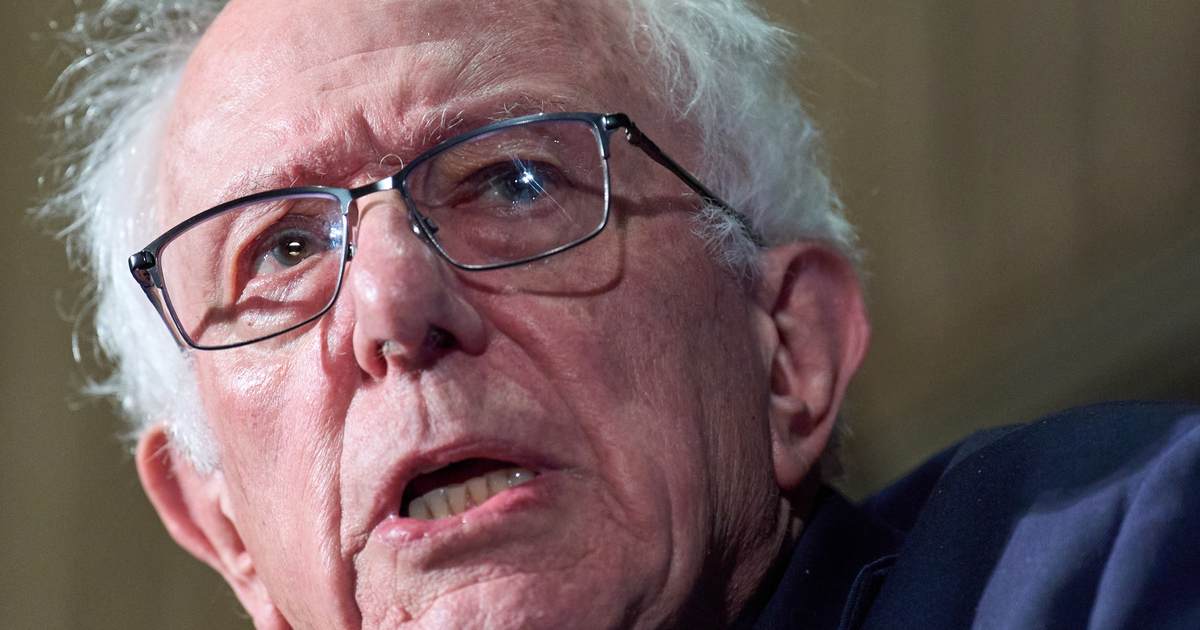
What’s more revealing is how the fallout shifted blame inside the party. Instead of a neat cleanup, establishment Democrats pointed their ire at the far-left wing and at Sen. Bernie Sanders, accusing him of elevating unvetted outsiders. Sanders’ endorsements are now being reassessed as a mix of wins and glaring losses, and his reputation as a party influencer is taking heat from anxious centrists.
Democrats needed Maine as part of any plan to flip the Senate, and losing control of that contest damaged trust in the nomination process. The situation looks worse because many of the unflattering details about Platner were dug up by Democratic opposition research rather than coming from outside the party. That reality deepens questions about vetting and judgment among those who thought outsiders could be parachuted in and accepted without scrutiny.
This week, the grumbling is reaching a fever pitch behind the scenes in Washington’s Democratic circles.
The trigger, obviously, is GRAHAM PLATNER — the Mainer whom Sanders transformed into a rising star, headlining his Labor Day rally in Portland and standing by him through a Nazi tattoo, ugly Reddit posts and multiple women’s accounts of his misbehavior — only to watch it all collapse this month over a rape allegation. Sanders turned the oyster farmer with zero political experience into the presumptive Democratic nominee in a state Democrats NEED to flip the Senate — a candidate some even whispered for a hot second could be a future presidential nominee. Now that bet is in ashes, and Maine Democrats are in chaos trying to replace him.
But Democrats are grumbling that Platner isn’t a one-off. Many who’ve spent the cycle biting their tongues are now running the tape on every other Sanders pick — and they don’t love what they’re finding.
MIX RECORD — Sanders has endorsed more than 15 House candidates this cycle, and — credit where due — a chunk of them have actually won their primaries. Call it a coin flip with a decent tailwind: roughly half of his House bets have paid off so far in places like New York, New Jersey and California — even red states like Montana.
But Dems argue that’s only half the story, because when you sit with the list of Sanders picks who’ve gone down, you find that several didn’t just lose; they lost embarrassingly, dragging Sanders’ credibility into the story right along with them. While Sanders can point to real wins this cycle, the losses, these people argue, reveal a concerning pattern of elevating untested, unvetted candidates with skeletons nobody bothered to check for — a pattern that’s starting to look less like bad luck and more like poor judgment.
[…]
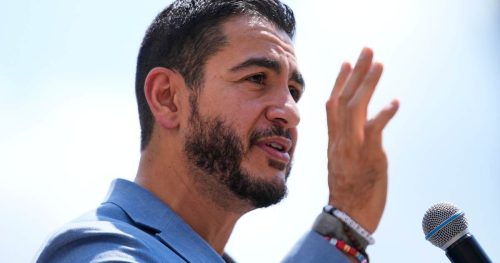
THE NEXT TEST: There’s a fear among some of these Dems that Sanders Orbit’s damage may not be done… All eyes now turn to the August 4 Michigan Senate primary, where Sanders has endorsed progressive ABDUL EL-SAYED over centrist Rep. HALEY STEVENS, who has Chuck Schumer and AIPAC money behind her. El-Sayed, who campaigned with HASAN PIKER, has been leading in recent polling and picked up the UAW’s backing along with Sanders’ — though the recent exit of MALLORY McMORROW is likely to help Stevens.
Sanders’ track record this cycle is a real point of contention: some of his endorsements have won, but others have bled into embarrassing defeats that dragged his judgment into the headlines. For Democrats fighting to hold a fragile coalition, a pattern of rushed or ideologically driven endorsements without basic vetting is dangerous. Party insiders worry that these misfires could cost winnable races and leave a trail of chaos in battleground states.
The broader left insurgency is not finished, either. Progressives scored a major upset when Melat Kiros defeated 15-term incumbent Diana DeGette in Colorado’s primaries, underscoring that establishment incumbents can be toppled. That kind of disruption keeps the intraparty battle alive and makes governing a tougher sell to persuadable voters worried about radical shifts. Meanwhile, centrists and moderates within the party are left debating damage control and whether to push back harder against insurgent picks.
From a Republican perspective, the internecine fight among Democrats is not something to be forcibly exploited; it’s a complication that will play out on its own and likely weaken their national standing. When a party fractures between left and center, it often produces spectacle and self-inflicted wounds rather than coherent strategy. The GOP can watch the dynamic unfold without stepping into the chaos, letting Democrats sort their priorities and leadership questions internally.
Still, the stakes remain high. Key primaries in places like Michigan will test whether the progressive wave can translate into viable general election candidates or whether it will hand advantage to opponents with broader appeal. If the pattern of poor vetting continues, Democrats risk repeating the kind of headline-grabbing failures that cost them credibility with independent voters. For now, the Platner collapse is a warning shot about what happens when ideology outpaces basic candidate scrutiny.
What follows will matter for control of the Senate and for the party’s ability to present a unified front. The internal tug-of-war between establishment pragmatists and insurgent progressives is real, and its outcomes will shape messaging, fundraising, and voter confidence heading into the midterms. In the meantime, the fallout from Maine is a cautionary example about the political price of elevating untested personalities without the safeguards any serious party should enforce.