This piece takes a hard look at how local TV interviews on Good Day New York repeatedly put New York Democrats on the defensive, using two recent examples to show a pattern of awkward exchanges, shaky explanations, and a party that appears rudderless on key economic questions.
It happened again: a New York Democrat went on Good Day New York and left looking rattled. The pattern is familiar by now—comfortable politicians meet a host who refuses the soft questions and the result is political discomfort. For viewers who expect tough, plainspoken interviews, the show has become a must-watch for catching political fumbles.
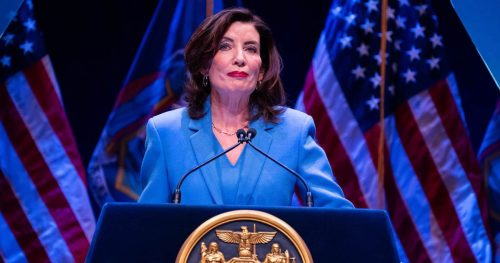
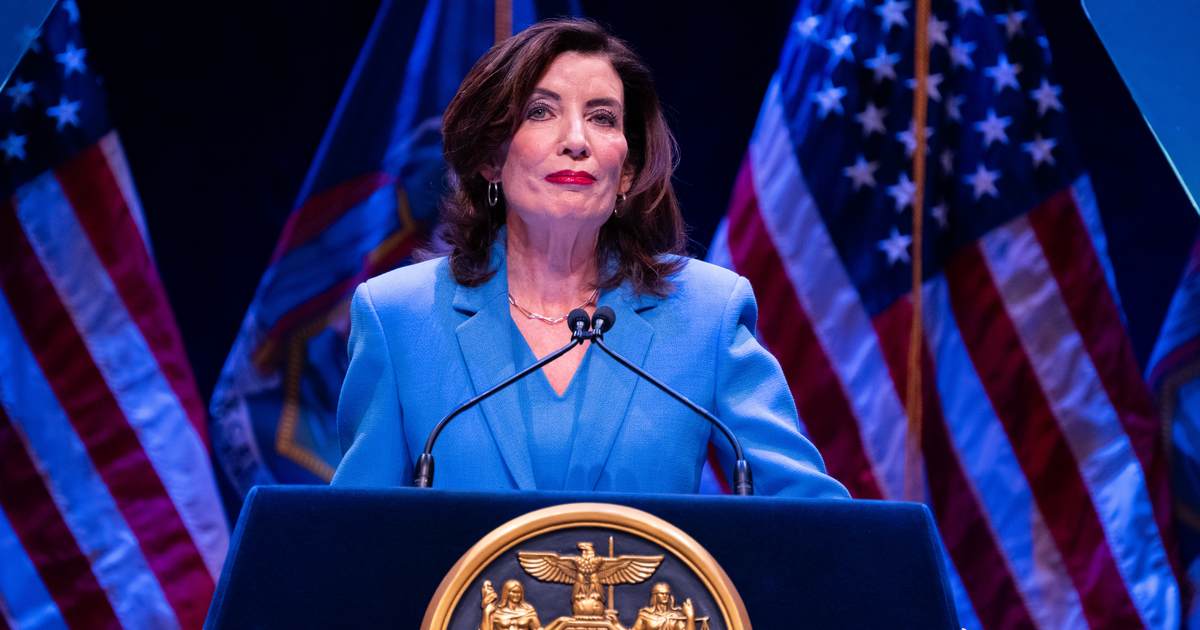
Gov. Kathy Hochul was the latest to feel the heat, unable to give a straight account of why businesses and jobs are leaving New York. She reached for old statistics and past talking points instead of addressing current economic anxiety, which only fed the appearance of being out of touch. The comparison to Saigon in 1975 summed up how dramatic the exodus feels to many residents and businesses here.
Hochul pivoted but used figures from four years ago. Her response suggested she was relying on stale context while the state faces fresh, measurable challenges with taxes, regulations, and public safety perceptions that drive relocation decisions. That kind of disengagement from the immediate problem is what fuels Republican critiques about Democratic governance in the state.
https://x.com/WesternLensman/status/2077397565100658898
Rep. Hakeem Jeffries got a similar roast on the same program earlier this year when he tried to blame national politics for local pain. The exchange exposed how national Democrats often dodge questions about everyday family budgets and the small details voters care about. Rather than land a persuasive defense, Jeffries bumbled into talking past the host and the audience.
In June, Jeffries faced pointed questions about inflation and living costs that locals live with every day. The conversation made clear that a well-practiced national line about administration responsibility does not always translate into convincing local answers. When voters hear vague deflections instead of concrete plans, they lose trust fast.
HOST: Gas prices were up under Obama
JEFFRIES: Well, listen
HOST: And Biden, right?
JEFFRIES: Well, I’m not…
HOST: Didn’t we have gas prices over $5?
JEFFRIES: Well
HOST: I remember eggs were like $12 a dozen
If you can’t do this program without getting cooked, then what are you even doing, folks? The clip showed more than a bad interview; it revealed how tactics that succeed in insulated party environments fail under live local scrutiny. Republicans will point to these moments as proof that Democratic messaging collapses without friendly moderators.
There’s a deeper problem here than a single bad Q&A. These encounters highlight a party that struggles to defend its record on issues voters feel every week at the pump and at the grocery store. Voters notice when leaders turn to talking points instead of specific policy answers that address costs, crime, and economic opportunity.
Good Day New York’s format strips away the usual political gloss and forces specifics. That makes it a net positive for accountability even if Democrats don’t like the result. For conservatives watching, it’s confirmation that direct questions produce revealing answers that national punditry often obscures.
Local interviews matter because daily life happens locally, and voters expect local accountability from state and federal officials alike. When leaders dodge that reality, it creates an opening for opposition messaging grounded in concrete solutions. That is why Republicans emphasize pragmatic fixes over abstract narratives.
It’s not just about being sharp on camera. It’s about having a coherent set of policies that square with what citizens experience. If a party can’t defend its record in a neighborhood broadcast, it’s a sign it may be failing to communicate policy substance where it counts. Those are the moments that shape public perception more than committee hearings or cable panels.
Democratic reps and governors can—and should—prepare for straight questions about economics and governance without rehearsed slogans. Voters respond to honesty and specifics, and local shows deliver a reality check on whether politicians actually understand what people face. The recurring inability to pass that test fuels political frustration across the state.
Good Day New York will keep doing what it does: asking pointed questions and forcing on-the-spot answers. For Democrats, that should mean sharper preparation and clearer policy accounts that match voters’ experiences. Until then, these interviews will remain a reliable moment of political reckoning on live television.