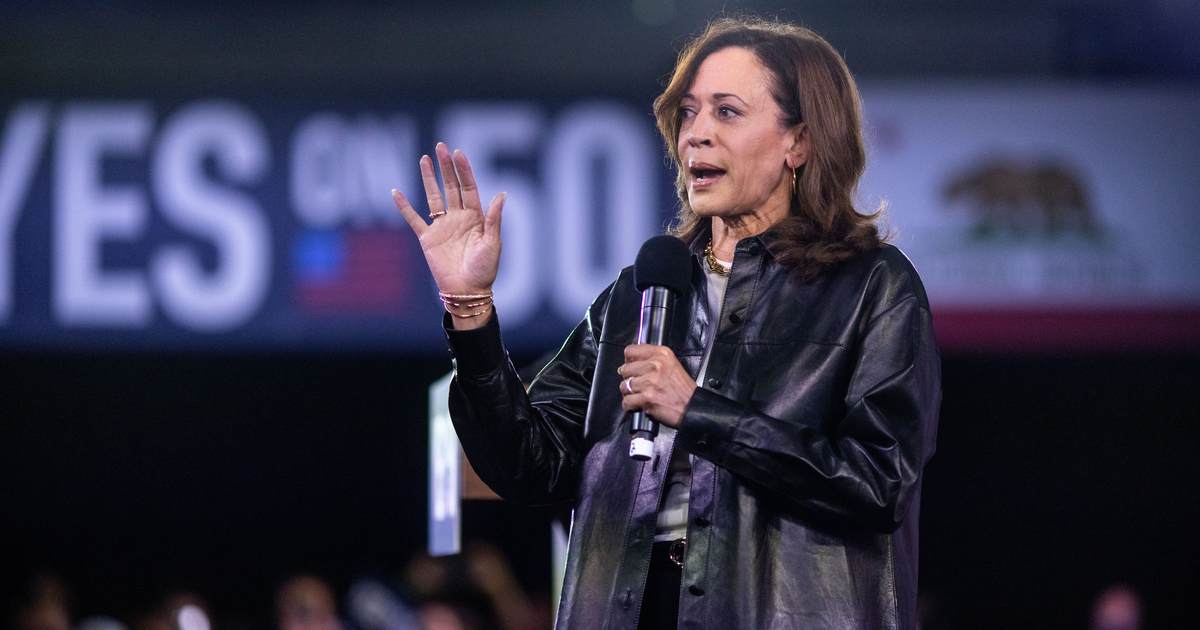
Kamala Harris once pushed for paper ballots and said “Russia can’t hack a piece of paper,” a stance worth remembering amid today’s debates over voter integrity and the SAVE America Act.
Democrats are loudly criticizing the SAVE America Act and claims about election integrity, but there’s a clear memory hole when it comes to past positions from their own leaders. Back when Kamala Harris was campaigning, she repeatedly argued that paper ballots were the most secure path for American elections. That record matters now as the party casts doubt on measures aimed at tightening election rules.
Harris didn’t just float the idea once; she made it a recurring talking point on the trail. In one appearance she said, “The best and most secure way to conduct elections? Paper ballots,” she said. “Cause the way that I say it, kind of half joking, Russia can’t hack a piece of paper.”
https://x.com/EndWokeness/status/2078921339755225409
That line wasn’t a throwaway. On multiple occasions she framed paper ballots as a straightforward fix and tied the argument to national security concerns. “We have a bill that basically would require states to upgrade their election infrastructure because guess what? Going like back to the future, the best and smartest way to conduct voting? Paper ballots,” Kamala said. “Paper ballots. I joke and I say paper ballots because Russia can’t hack a piece of paper!”
She doubled down again in another clip, urging Congress to act: “The most secure way to vote? Paper. You’re right. And, you know … it would be great if the Republican leader would put these bills on the floor for a vote.” Those words put the issue squarely into the realm of policy, not partisan rhetoric.
Then she took that message to daytime TV, where even the studio audience reacted. “And you said something, I have been saying forever and ever and I’m going to say it in 45 seconds,” Goldberg said. “You’ve been saying that it’s time for us to go back to paper ballots. Why?” “Because Russia can’t hack a piece of paper,” Kamala replied. “There you go,” Goldberg said.
That exchange is striking because it shows a public embrace of a clear, tangible security measure from a prominent Democratic leader. The notion that paper ballots reduce certain vulnerabilities is simple and practical, and it resonates with voters who want elections that are both transparent and auditable. It also complicates the narrative that only one side champions election integrity.
Fast forward to the present moment, and the conversation has shifted to the SAVE America Act and various reforms proposed with the stated goal of preventing fraud and strengthening confidence in results. Democrats have responded with outrage, framing these efforts as threats to voter access or as partisan power grabs. But the earlier embrace of paper ballots by figures like Harris undermines the idea that any reform aimed at clear, verifiable results is inherently illegitimate.
There’s also the awkward contradiction of insisting that questioning an election is a form of extremism while a leading Democrat once publicly suggested the 2016 outcome was stolen by foreign meddling. Harris’s past rhetoric about Russia and votes invites a closer look at who gets labeled an election skeptic and why. What’s (D)ifferent between 2020 and 2026?
The core of the issue is common-sense: Americans deserve systems they can trust, and policy should follow practical solutions that improve transparency. Paper ballots, audits, and infrastructure upgrades are not radical ideas; they are methods to make sure the machine matches the paper, and the paper can be counted and recounted if necessary. Voters on all sides should expect election officials and lawmakers to back commonsense safeguards.
Political opponents will always frame reform efforts through a partisan lens, but the public cares less about party theater than about clear answers. When a prominent Democrat repeatedly recommends paper ballots as the “best and most secure” way to run elections, that recommendation should be part of the conversation—especially when the same party now denounces other proposals as dangerous or extreme.
Whatever your view of the SAVE America Act, the debate shouldn’t erase past positions or treat reasonable safeguards as taboo. If paper ballots were smart enough to win endorsements from figures like Kamala Harris, it’s fair to ask why those measures and similar transparency efforts are suddenly controversial. Voters deserve honesty about policy histories and consistent standards when it comes to protecting the vote.