Florida surrogate Kyla Simpson is in a court fight to keep the triplet boys she carried and cared for when the intended father from China never appeared, a case now tangled in emergency motions, international law gaps, and allegations that passports were being obtained to send the children overseas.
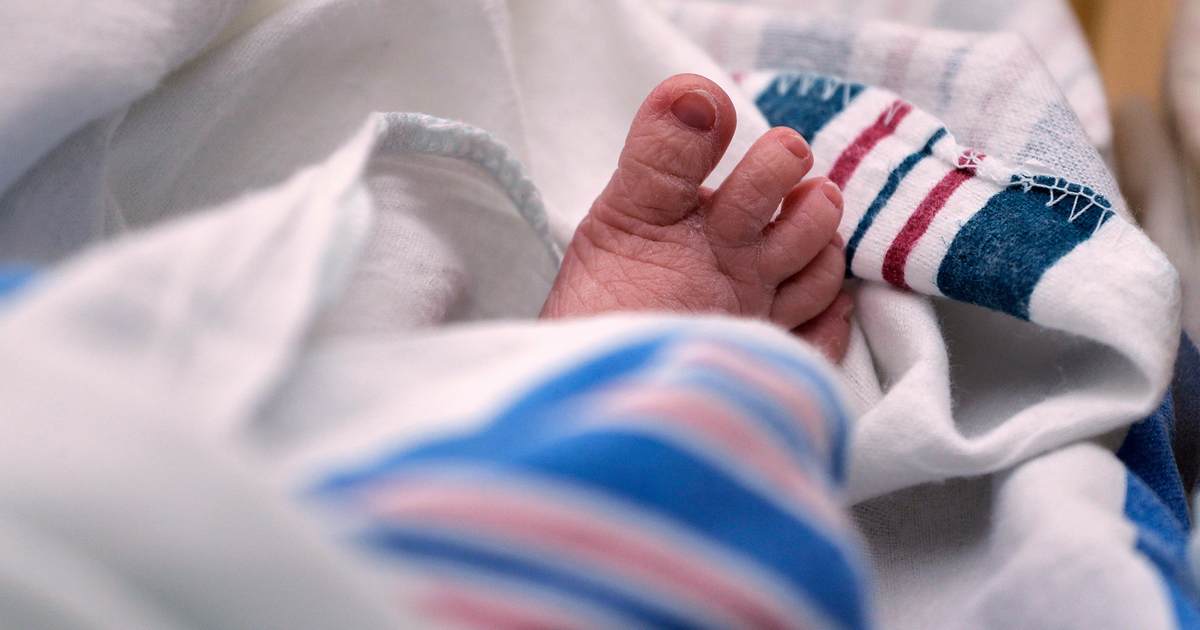
Kyla Simpson gave birth to triplet boys on November 4, 2024, and stayed with them through neonatal care before legal custody defaulted to her while the intended parent was expected to collect them. When the man failed to arrive, Simpson left the hospital in January 2025 with the infants and breastfed and raised them in her home for nearly two years. Her attorney filed emergency appeals after the children were taken into foster care on June 17, following a lawyer for the intended father obtaining a child pick up order.
Simpson says she worked with a surrogate agency based in California to get the arrangement done because Florida rules had tightened, and California law can be used when embryo transfer or other connectivity occurs there. Florida now bans certain gestational surrogacy contracts involving designated foreign countries of concern, a list that includes China, but critics point out the ban can be evaded by going to states with looser rules. That legal patchwork created the situation that put Simpson squarely in a courtroom battling for custody and for certainty about where the children would live.
After the children were removed, Simpson’s lawyer, Ellen Kaplan, filed an emergency motion to stop the boys from being taken out of the country, arguing that if they were sent to China they could never be brought back because China is not a member of the Hague Abduction Convention. The original emergency appeal was denied, and Kaplan moved for a rehearing late in July. Court filings and public filings indicate passports were being sought, raising alarm about an international transfer while Simpson continued to press for termination of the intended father’s parental rights.
Simpson says she kept trying to help the man get travel documents and even discussed flying to China with the boys to resolve custody logistics, but the conversation stalled and then stopped. On March 21, 2025, she reports that two unnamed men arrived at her home in a black SUV demanding the children and that she refused to hand them over to strangers. That confrontation led Simpson to push forward with legal steps to terminate parental rights rather than trust informal arrangements.
I don’t feel comfortable doing all of these things and you’re not coming to get them. I said either you, the people you had listed that could, if in case you passed away or something, they would have custody of these kids, them, or a representative from the agency to come and get these kids. I’m not handing them over to strangers.
The situation turned darker when one of the triplets died in August 2025 from RSV complications, a loss Simpson says devastated her after months of nursing and bonding with the babies she carried. “I broke down crying over him. They had to pull me out of the room because I was crying. I’m like…say something. That was like my most bubbly baby,” she said, and Simpson also made her position clear: “Blood doesn’t matter to me. How they look doesn’t matter to me. Color doesn’t matter. I birthed them.” Those words show how deeply she identifies with the boys as her children, beyond any legal labels.
Simpson’s investigator says the FBI has begun looking into aspects of the case, although officials have not publicly confirmed an investigation. Meanwhile, state law and interstate differences create incentives for people to shop for sympathetic rules, and attorneys note that California’s reproductive law can claim jurisdiction when enough of the process happened there. That interplay of laws leaves surrogates, children, and intended parents navigating a fragile, sometimes hostile, legal landscape.
This story raises sharp questions about parental rights, the limits of state bans when other states will take the business, and the risks of international moves where treaty protections do not exist. Simpson remains in court fighting to keep the boys she carried and cared for, and the case highlights how messy and painful these arrangements can become when paperwork, travel, and international law collide.