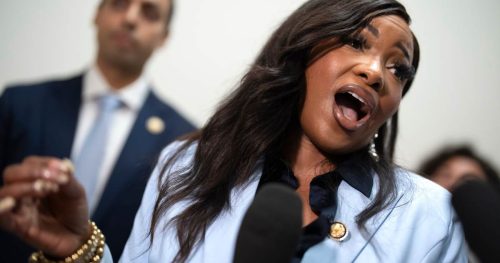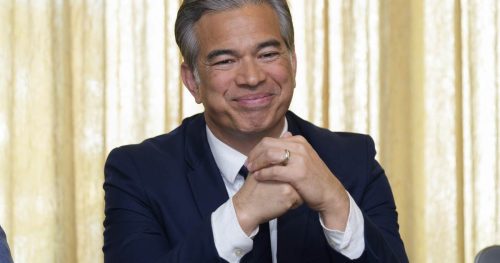
Jake Tapper acknowledged a New Jersey voter-registration problem that conservatives have warned about: more than 6,000 noncitizens were listed as registered voters and roughly 400 may have actually cast ballots, a figure that could be higher once audits finish. The admission exposes a clash between media narratives and on-the-ground facts, with one CNN host seeming to contradict himself by soft-pedaling election security hours before acknowledging the significance of the discovery.
CNN’s coverage of New Jersey’s registration mess landed on a simple, hard fact: over 6,000 noncitizens were registered to vote and about 400 may have voted in prior elections. Those raw numbers alone matter, because they show the problem is not hypothetical and can affect confidence in results. Democrats and much of the liberal press rushed to dismiss or downplay such possibilities for years, so this confirmation forces an awkward course correction.
On air, Jake Tapper said the development was “not good for Democrats’ argument that there’s no such thing as undocumented immigrants voting.” Yet earlier the same day he framed election security as a red herring, which is a clear contradiction. That flip-flop captures the broader pattern: when evidence appears, the narrative shifts instead of the underlying concern getting the scrutiny it deserves.
Republicans have argued for stronger checks because trust in elections is fundamental, not partisan theater. When registration rolls include noncitizens, even if a fraction ever cast a ballot, it undermines the basic premise that only eligible citizens decide our leaders. Saying election security is a distraction and then conceding the problem when it’s exposed doesn’t resolve anything, it just erodes credibility for the outlets that dismissed the warnings.
https://x.com/WesternLensman/status/2079649172689482076
There’s also a practical dimension: voter rolls grow messy without routine verification and accountability, and software or administrative errors can let in ineligible names. That’s not an abstract policy fight, it’s a real administrative failure with real consequences for public confidence. Fixing the process doesn’t have to be partisan; it just has to be done honestly and transparently.
The media reaction to this episode highlights how quickly defenders of the status quo recalibrate. Lines that once insisted irregularities were rare now sound tentative, and the goal posts move: what was once labeled a conspiracy becomes a localized glitch, then a policy debate, then something to be shrugged off. The shifting response reinforces a simple conclusion for many conservatives: skepticism about assurances from an eager-to-dismiss press was warranted.
The broader civic cost is obvious: trust evaporates when audiences see inconsistent messaging about basic facts. The politics of the moment make that worse, because partisan stakes are high and any lapse in process invites speculation. The remedy starts with insisting on accountability and clear audits so voters can see what happened and why, not with spin or dismissive headlines.
The media is just wrong about everything. And yes, Scott Jennings is right: there should be no tolerance for voter fraud. That principle applies whether the problem stems from human error, technical mistakes, or deliberate misconduct. Election integrity is about ensuring every eligible voice counts and no ineligible voice does, and that standard should be nonnegotiable.
Pressure will build for officials to explain how more than 6,000 noncitizens wound up on registration lists and how roughly 400 may have voted. Legislatures, state secretaries, and election boards will be asked to tighten verification, improve cross-checks, and pursue clear audits. The politics will be loud, but the practical work is straightforward: find the gaps, fix the processes, and make the results transparent so citizens can judge for themselves.