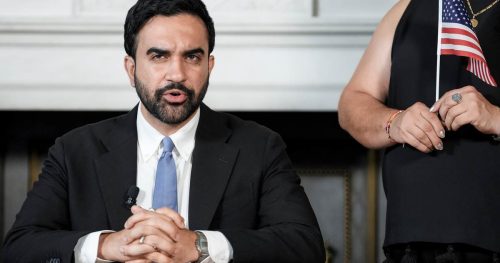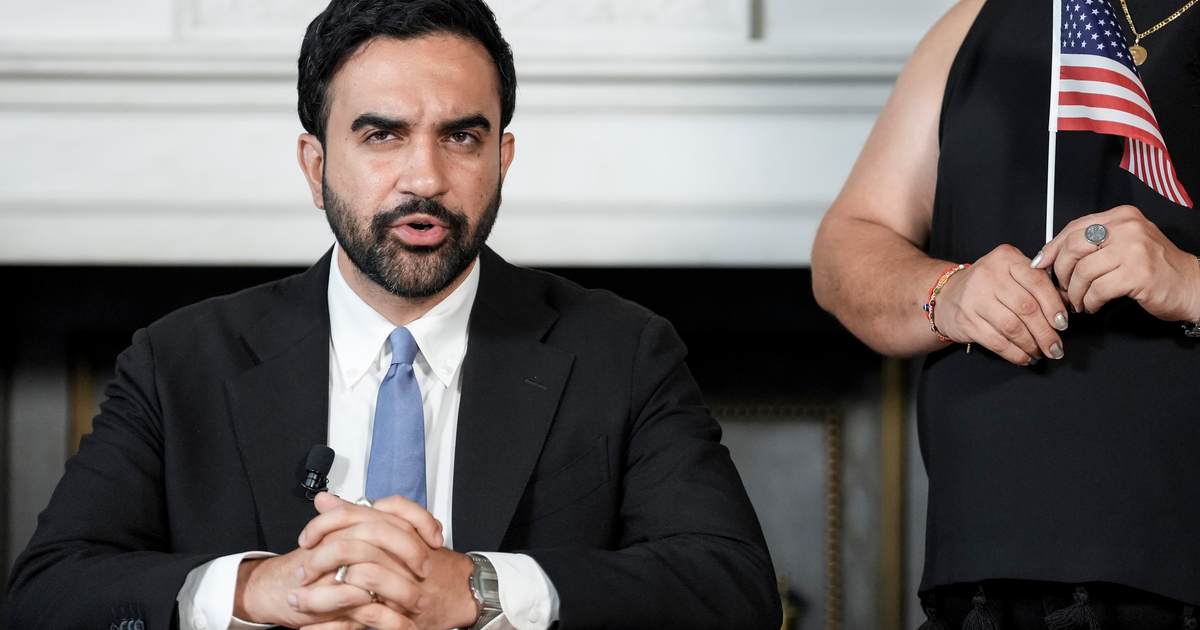
New York City Mayor Zohran Mamdani faced questions about selective calls for arrests and international justice, and his answers exposed how he frames violent acts and accountability through a universalist legal lens while ignoring certain local realities and protections that limit what a city mayor can do.
Zohran Mamdani stirred controversy when he publicly labeled Israeli Prime Minister Benjamin Netanyahu a war criminal and urged protests during the United Nations General Assembly season. His comments drew immediate criticism for tone and timing, since foreign leaders enjoy customary protections when traveling for diplomacy. Critics noted that rhetoric aimed at leaders on foreign soil has real consequences back home.
Reporters pressed Mamdani on whether he would pursue arrests for Hamas leaders linked to the October 7 attacks if they visited New York, and his reply was both predictable and revealing. He did not claim a city mayor could unilaterally arrest foreign officials beyond the bounds of law. Instead he framed his response through the International Criminal Court and universalist principles.
“If circumstances were different, would you have vowed to arrest the leaders of Hamas who perpetrated the October 7th attack if they were visiting New York?” asked the reporter. “And if so, why not include something about that to show New Yorkers you’re presenting a more balanced approach? Why not include that in your statement?”
https://x.com/TimmyFacciola_/status/2079950882259505327
“Didn’t the ICC put forward a warrant for Yahya Sinwar?” Mamdani asked. “I mean, I know he’s dead,” the reporter replied. “Yes, but my point is that they did and in the video I made very clear as I have before that my interest in executing that warrant is not specific to Benjamin Netanyahu,” Mamdani said.
“But to anyone who they put a warrant towards for war crimes and crimes against humanity. And part of that is a reflection of universal politics and it is from a universal politics that I can look at October 7th and describe it for what it is, which is a horrific war crime. And I can also look at Benjamin Netanyahu and see the way that he has orchestrated this genocide and also deem him similarly to be a war criminal.”
Mamdani doubled down on his universalist framing, arguing for global rule of law while framing his political posture as equal opportunity condemnation. He invoked the International Criminal Court as the venue that, in his view, should apply equally to all actors. That position appeals to those who favor supranational oversight, but it clashes with the limits of municipal authority and the practicalities of diplomatic immunity.
“And I think especially at a time when there are those in Washington who are discussing measures to take apart the International Criminal Court, what so many of us are looking for is a sense that there is in fact a rule of law across the world where there are crimes so great they offend all of humanity,” he continued, “and I believe that we should hold those who perpetrate them accountable no matter who they are or where they’re from.”
Those words underscore a political philosophy that prefers international institutions to domestic checks, and that is exactly what rankles many conservatives. From a Republican viewpoint, elevating the ICC as a solution runs into concerns about sovereignty and accountability to American laws and priorities. Voters who prioritize national authority see a danger in outsourcing judgment to institutions that lack direct accountability to U.S. citizens.
Critics also pointed to Mamdani’s past and personal associations while weighing his statements. They noted that his spouse publicly reacted to October 7, and that he has been part of protests that targeted Israel. That context feeds the perception that his calls for arrest and accountability are selective and driven by political posture rather than consistent enforcement principles.
Political rhetoric aside, the legal reality is straightforward: a New York City mayor does not have the power to detain foreign heads of state or to execute ICC warrants on U.S. soil without coordination from federal authorities. The welfare of the city depends on clear-eyed respect for legal boundaries and public safety, not grandstanding. When elected officials ignore that, it erodes trust and invites chaos.
Conservatives argue that substituting international tribunals for American courts reduces the rule of law to abstract moralizing. They worry that leaders who praise global mechanisms too readily are more interested in making a statement than solving real problems for constituents. That is the lens through which many interpret Mamdani’s comments and the responses they provoked.
Bingo.
That’s exactly what it was.
No. He hates this nation, its laws, and its people.
Mayor Mamdani’s remarks and the reaction they sparked reveal a larger debate about where Americans should look for justice, who gets to call leaders to account, and how much power local officials should claim in foreign policy matters. The clash between universal legal theory and local reality will keep this story in the headlines as New York prepares for high profile international visits and political theater alike.