The Wisconsin Democratic Party has sued the state elections commission after its request to let absentee voters cast new ballots when candidates dropped out or reentered the race was denied.
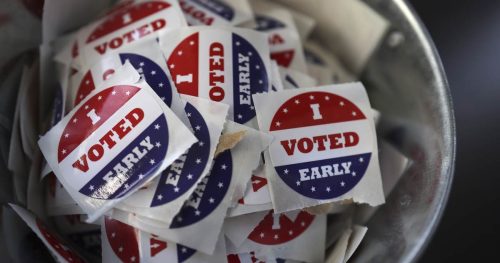
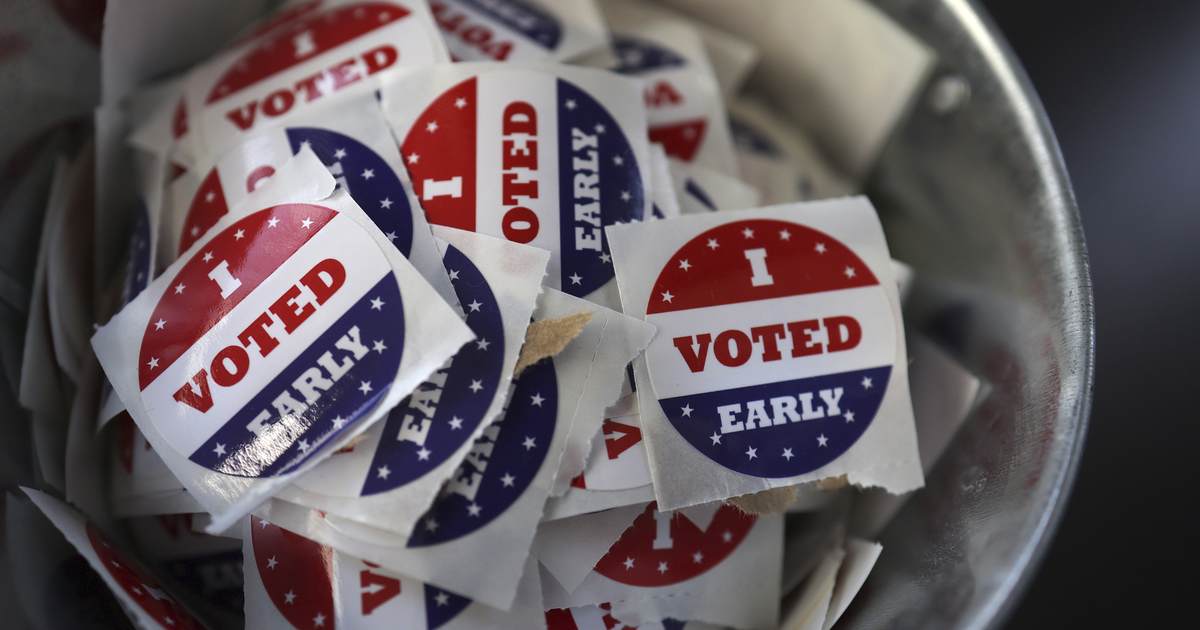
Wisconsin Democrats asked the state Elections Commission to reverse guidance and allow some of the more than 80,000 voters who already returned absentee ballots to request new ones if their preferred candidate left the race or came back in. The commission refused, leaving a narrow window and a lot of frustrated voters ahead of the August 11 primary. That refusal pushed the party to file a court challenge seeking to force a different outcome.
The lawsuit, filed July 23 in Dane County Circuit Court, asks a judge to block the commission’s guidance and tell local clerks that affected absentee voters may request replacement ballots. Plaintiffs say the policy change denies voters an important remedy when candidates withdraw or reenter the contest. The timing is critical because the primary is less than three weeks away and any court order would affect how clerks handle absentee requests right before Election Day.
A trio of Dane County voters backed by the state Democratic Party is suing the Wisconsin Elections Commission over guidance the panel issued earlier this month that bars absentee voters who have returned their ballots from requesting a new one if their preferred candidate drops out.
The lawsuit, filed in Dane County Circuit Court on July 23, asks the judge overseeing the case to block the commission from distributing the guidance and to instead tell local election clerks voters may request a new ballot in this scenario.
https://x.com/PostCrescent/status/2080352330344542616
The court action could upend election rules less than three weeks from the Aug. 11 primary election when voters are set to decide which Democratic candidate for governor they want to face Republican candidate Tom Tiffany in the general election.
The practical effect is high drama for a handful of absentee voters and a procedural headache for election officials. If the court orders clerks to reissue ballots, local administrators will have to scramble to honor that decision while ensuring chain-of-custody and certification rules are followed. That kind of last-minute rule change is the exact uncertainty elections officials try to avoid so ballots are counted properly and on time.
Critics argue the lawsuit hands sweeping power to a few plaintiffs to rewrite how absentee voting works statewide. In other words, three people now get to undo voting laws for the entire state because they chose absentee voting instead of turning out on Election Day. That strikes many as unfair to voters who followed the rules and expect consistent enforcement across precincts and counties.
The plaintiffs’ attorneys say a failure to let affected absentee voters recast their ballots would amount to disenfranchisement. The complaint claims that without relief, those voters, and possibly thousands more, would lose their right to meaningful participation in the primary. Courts will have to weigh those claims quickly if they are to issue any binding change before August 11.
“If this Court does not act, the Plaintiffs, and potentially thousands more Wisconsin voters, will be disenfranchised,” attorneys argued in the July 23 filing. “The Commission’s new stance on absentee ballot spoiling violates Wisconsin election statutes and the state Constitution’s guarantees of the right to vote and to equal protection under the laws.”
Many voters will say the easy answer is simple: show up on Election Day like everyone else and avoid the chaos. For those who deliberately chose absentee ballots, the gamble is part of the decision—late changes to the candidate field are a known risk. Courts generally try not to rewrite broad election procedures to fix individual disappointment, especially so close to voting deadlines.
Election administrators, judges, and parties now face a tight clock and stark choices about fairness, process, and precedent. Whatever the court decides, the ruling will shape how absentee ballots are handled in a high-stakes primary that matters to both parties. Voters and officials should expect the legal fight to heat up before Wisconsin sends its nominations to the fall ballot.