State Sen. John Hoffman says Rep. Angie Craig sought his endorsement while he lay in the ICU after a deadly attack, a charge Craig disputes as her campaign shared a sympathetic text; the exchange landed at a July 25 rally and follows the June 24, 2025 shooting that left Hoffman’s colleague dead and the shooter handed two life sentences.
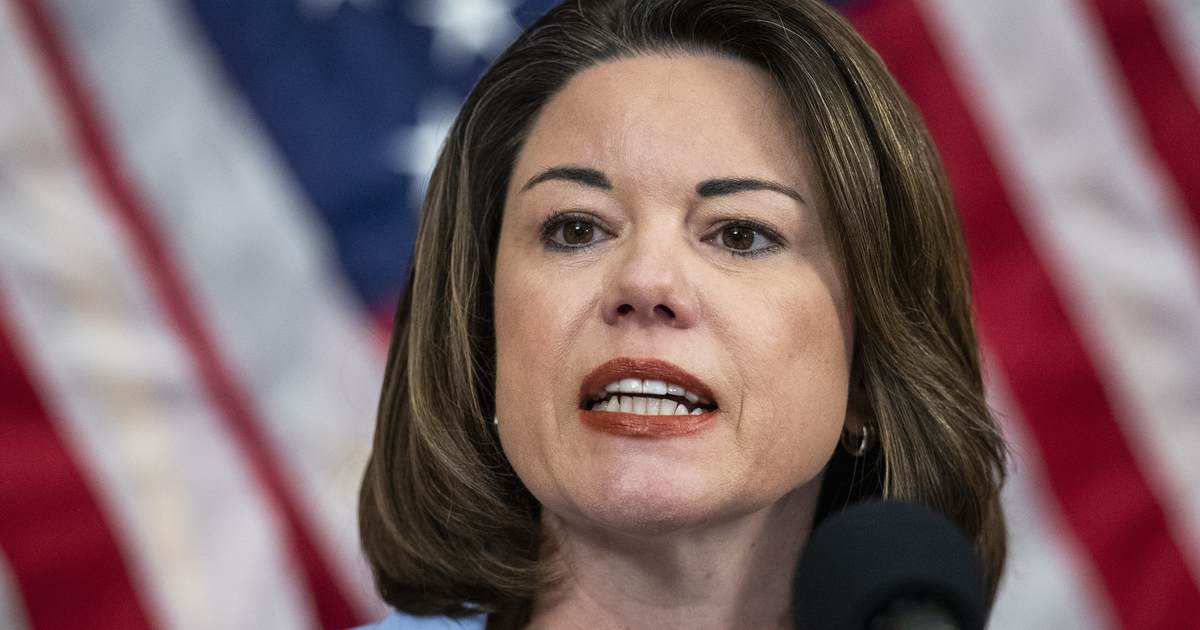
The Minnesota Democratic primary to replace Sen. Tina Smith has turned ugly, with Rep. Angie Craig and Lt. Gov. Peggy Flanagan trading barbs and endorsements becoming ammunition. In a race this close, every personality test and perceived moral failure gets magnified, and State Sen. John Hoffman leveled an accusation that makes for particularly bad optics.
Hoffman says he and his wife, Yvette, were among those targeted in a violent attack by Vance Boelter in the early hours of June 24, 2025, and that Melissa Hortman did not survive her injuries. Boelter was sentenced to two life sentences without parole for those attacks, and the emotional fallout has been raw for the family and the community.
While Hoffman was still recovering in the ICU, he alleges, Craig pressed for his endorsement — twice, through a close friend. Craig’s campaign pushed back, releasing a screenshot of a text claiming she and her wife were praying for the Hoffman family, and the dispute spilled into public events and news cycles on July 25.
“It’s different than from her opponent,” Sen. Hoffman said at a rally Friday night for Craig’s DFL rival Peggy Flanagan. “When her opponent would check on our family, she asked for my — she asked that I endorse her campaign. She sent a dear friend out twice. Once when I was in the ICU and once at our home.”
https://x.com/GrageDustin/status/2081124126832333135
Craig disputed Hoffman’s claim as her campaign released a screenshot of a text conversation between her and Hoffman from June, saying she and her wife were praying for the Hoffman family.
[…]
In a later statement, Hoffman said he “told the truth about what Yvette and I experienced.” Read the rest of the statement below:
“The screenshots released by her campaign show direct text messages from Congresswoman Craig. They do not address the substance of what I said: that a dear and trusted friend approached us twice on her behalf regarding an endorsement, once while I was in the ICU and again while I was recovering at home.
“That friend confirmed that the endorsement requests came from Congresswoman Craig. Yvette was also present for these conversations. I did not invent them, and I will not allow our family’s experience to be dismissed simply because it is politically uncomfortable.
“I acknowledge that Congresswoman Craig sent a message expressing sympathy after the shooting. My remarks addressed the endorsement requests that followed and the painful impression those requests left on our family while we were trying to survive and recover. It is dishonest to give condolences and then immediately ask for endorsement like her text showed.
“Peggy Flanagan’s repeated contacts with our family were different. Peggy reached out simply to ask whether Yvette, Hope, and I were okay. She sought nothing in return.
“My remarks were about that contrast, and I remain accountable for every word I said.
“Congresswoman Craig may disagree with my endorsement. She may defend her campaign’s conduct. But she does not get to rewrite what my family experienced or publicly attack my honesty.
“After everything Yvette, Hope, and I have endured, we deserve better than having our trauma turned against us for political damage control.”
The charge is stark: that a sitting congresswoman crossed a boundary during a moment when a family was trying to survive and heal. From a Republican viewpoint, this reads like a raw example of political calculus trumping basic human decency, and voters visceral reaction to such stories matters in tight contests.
Candidates often mobilize surrogates, volunteers, and friends, but asking someone to approach a family under those circumstances invites a judgment call from any voter assessing character. Democrats will argue the screenshots show sympathy, while critics say screenshots do not erase separate requests conveyed through intermediaries.
Hoffman’s insistence that the requests came twice and that Yvette was present complicates any simple defense. If his account is accurate, it suggests a willingness to prioritize an endorsement over a family’s recovery; if Craig’s version is accurate, it becomes a question of tone and timing rather than intent.
Either way, this episode feeds a broader narrative about the party’s priorities and the behavior of its candidates when mistakes become political liabilities. For Republican observers, it’s a reminder that optics and ethics can swing undecided voters and become a long-running subplot in a heated primary.
The controversy will linger as the campaign moves forward, shaping how activists, donors, and everyday Minnesotans view the two leading Democrats. That unresolved tension — between sympathy and solicitation, between political ambition and personal decency — is now part of the story voters will have to sort through on their own timeline.