Knox County Mayor Glenn Jacobs, known as “Kane” from his WWE career, is urging lawmakers to confront a growing surveillance network of Automated License Plate Readers and Flock Safety cameras that he and others say can track Americans without clear rules, sparking legal and legislative fights across cities and in Congress.
Glenn Jacobs has made a public push to limit local use of Flock Safety cameras and similar systems, telling constituents he wants his county to bar them. He framed the issue as one of privacy and freedom rather than technology, and he used his platform to press elected officials to act. His stance has raised alarms among civil libertarians and lawmakers who worry about unchecked data collection.
Jacobs, better known by his ring name “Kane,” released a statement on X calling for immediate policy changes. “Today, I am urging our Commission to prohibit the use of Flock cameras and similar devices in our County,” he said. He warned that the tools are no longer simple plate readers but parts of a larger tracking network that can erode privacy.
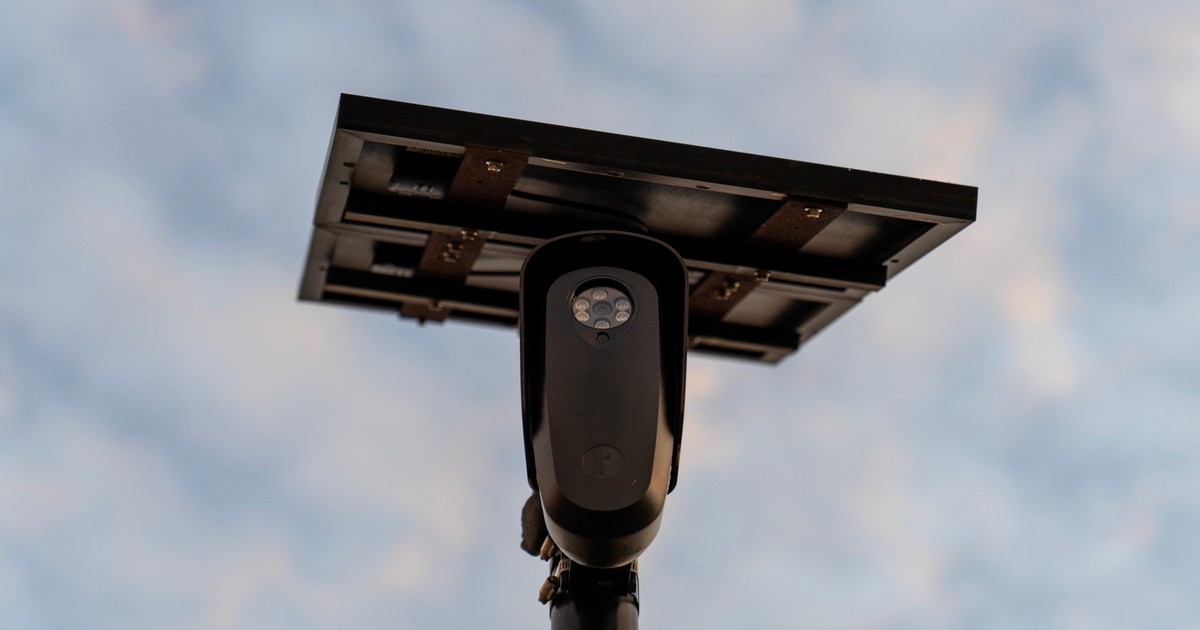
For those of you who don’t know, these cameras, technically called Automated License Plate Readers, are motion activated and take a picture of every car which passes by. While License Plate Readers have been around for a while, because of AI and vastly increased networking and data retention capacities, these Flock cameras have capabilities not even imagined in the past.
Jacobs contrasted older systems with today’s more invasive tools when he noted, “Older cameras only took a photo of your license plate, which was then retained for a short time.” He explained how modern systems now catalog vehicle make, color, model and even bumper stickers, turning a fleeting sighting into searchable history. That change, he says, creates location histories that can be mined and shared.
He added that “there is no federal regulatory framework governing these devices in place, and the Tennessee laws regulating them were written over a decade ago” and warned this could be “inadvertantly creating a warrantless mass surveillance system and undermining the privacy and Liberty of our people.” Jacobs urged state and federal legislators to update rules to match the new technical realities. His language leaned into core conservative concerns about liberty and government overreach.
At the federal level, Republican lawmakers have started drafting measures to curb the spread of these systems and the flow of data they generate. Republican Rep. Thomas Massie announced plans on X to withhold federal funding from municipalities and departments that install Flock-style cameras, putting a hard fiscal lever behind privacy concerns. “I’ll soon be sponsoring a bill to withhold federal money from municipalities and police departments that deploy Flock (and other style) cameras to surveil law abiding citizens,” he wrote in a post on X.
Another Republican, Rep. Tim Burchett of Tennessee, introduced the Protection Against Mass Surveillance Act to prohibit federal agencies from buying or using automated license plate recognition systems. The proposal would also stop federal grants from subsidizing those systems at the state and local level. That approach targets the federal funding stream as the practical choke point for expansion.
Meanwhile, a bipartisan set of House members has floated additional legal limits on federal access to locally collected data. Reps. Keith Self, Eli Crane and Andrew Clyde supported the PRIVACY Act, which would require a warrant for federal access to data from local systems like Flock. “The PRIVACY Act provides critical protections to combat the federal government’s dangerous web of warrantless surveillance and data collection, including by devices like Flock cameras,” Clyde said.
https://x.com/GlennJacobsTN/status/2081734814256832992
Pushback from cities and law enforcement technology officers has grown as residents voice concerns about mass tracking and data sharing. More than 50 municipalities have canceled or rejected Flock contracts amid worries over civil liberties, and officials in some departments have cited privacy and data collection concerns when terminating agreements. “This contract is not being renewed because of serious concerns around civil liberties and civil rights issues, particularly around privacy and the data that is being collected from these cameras,” said LAPD Chief Information Officer Dean Gialamas.
At the same time the camera network has expanded, critics point to rapid growth and a patchwork of local rules that leave gaps in oversight. Reports indicate the network has crossed six figures in camera count and that dozens of contracts were canceled across multiple states between 2021 and May 2026, with a sharp uptick in cancellations earlier in 2026. Those figures feed the argument that the technology has outpaced the law.
The debate now splits along practical and principled lines: proponents argue ALPRs help solve crimes and recover stolen vehicles, while opponents say ubiquitous, searchable tracking technologies threaten basic freedoms. Republican lawmakers pressing restrictions are framing their case around privacy protections and limiting federal reach, and local leaders like Jacobs are pushing to stop municipal deployments until rules catch up.