Mike Rogers rolled out “Healthcare That Works for Working Families,” a plan built on affordability, accessibility, and transparency to push down costs for Michigan families and beyond. The plan calls out pricing secrecy, slow generic approvals, and insurance hurdles while offering concrete fixes intended to hold providers and insurers accountable. This article walks through the plan’s pillars, the prescription drug pitch Rogers used in Detroit, and how the proposal ties into broader affordability efforts.
Rogers frames the problem bluntly: Americans pay too much and get too little. He points to opaque hospital and insurer pricing as a deliberate barrier to comparison shopping that protects high bills. The proposed remedy is accountability for executives and penalties for companies that hide prices, summed up under the banner “Open the Books.”
“Open the Books.” is presented as the first step to force competition where it belongs, between hospitals and insurers competing for real consumer dollars. Rogers argues that when prices are visible, market pressure will push costs down without heavy-handed government takeovers. That approach matches a conservative preference for transparency and market-driven solutions over top-down mandates.
Rogers also zeroes in on prescription drugs and made a pointed comparison to Canada in a recent appearance. Yesterday, Rogers dropped an ad teasing his plan for lowering the cost of prescription drugs.
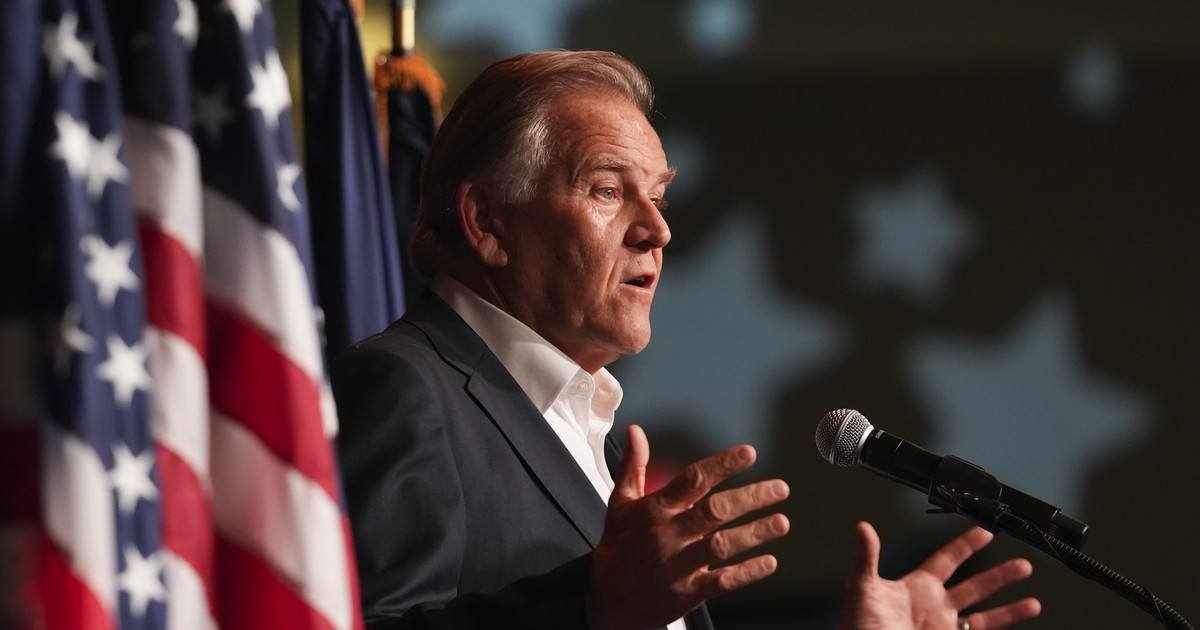
“We’re here today in Detroit, just across the river from Canada,” Rogers said. “It’s so close, you can see it. So why do your prescription drugs cost so much more in Michigan than they do in Canada? That’s a great question, and it has to stop. Our healthcare system is broken. Send me to Washington, D.C. and I’ll make sure our healthcare is more affordable. I’ll make sure that you don’t have to pay any more for your prescription than they do in Canada.”
The plan would expand access to Trump Rx, a program that uses bulk government purchasing power to drive prices lower and pass savings to patients. Rogers sees bulk buying as commonsense leverage to bring down sticker shock at the pharmacy counter. This is pitched as a direct, immediate way to shrink out-of-pocket costs without upending private coverage.
https://x.com/MikeRogersForMI/status/2082489473871360344
Rogers also wants to speed generic competition, pointing out that the FDA can take up to 10 months to review generic applications. After approval, generics often take another two to five years or longer to actually reach the market. Faster approvals and smarter regulatory timelines are presented as low-cost fixes to create real competition against brand-name prices.
On the insurance side, Rogers wants working families to get the coverage they pay for by increasing transparency around claim denials and appeals. His proposal would require insurers to publish denial rates, approval times, and appeal outcomes and to face penalties for excessive denials or delays. That idea aims to reduce bureaucratic stonewalling and make sure care decisions are visible to regulators and the public.
This health agenda sits beside a broader affordability push Rogers has already outlined, including a four-point housing plan to ease down payments, reward timely payments to lower interest, cut red tape that hikes costs, and encourage more homebuilding. The plans are pitched together as a unified effort to ease cost burdens that hit working families hardest. Rogers frames these moves as common-sense, pro-growth fixes rather than new entitlement programs.
The stakes he raises are explicit. Democrats have held both of Michigan’s Senate seats for the last 32 years and controlled Lansing for the past decade, a timeline Rogers and allies blame for worsening outcomes. Michigan has slipped to the 46th-best state to live in in recent rankings, and Rogers uses that slide as evidence that the status quo is failing families and communities.
Rogers is positioning himself as the alternative, touting an organizational edge and fundraising strength as part of his pitch. He has built what is described as the largest war chest of any candidate in the race and is presenting that muscle as readiness to take on entrenched Democratic incumbents. The message is straightforward: affordable healthcare and broader cost relief are winnable policy fights if leadership changes in Washington.