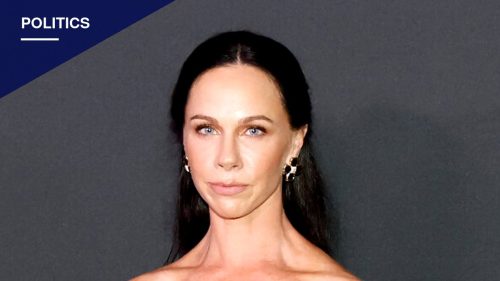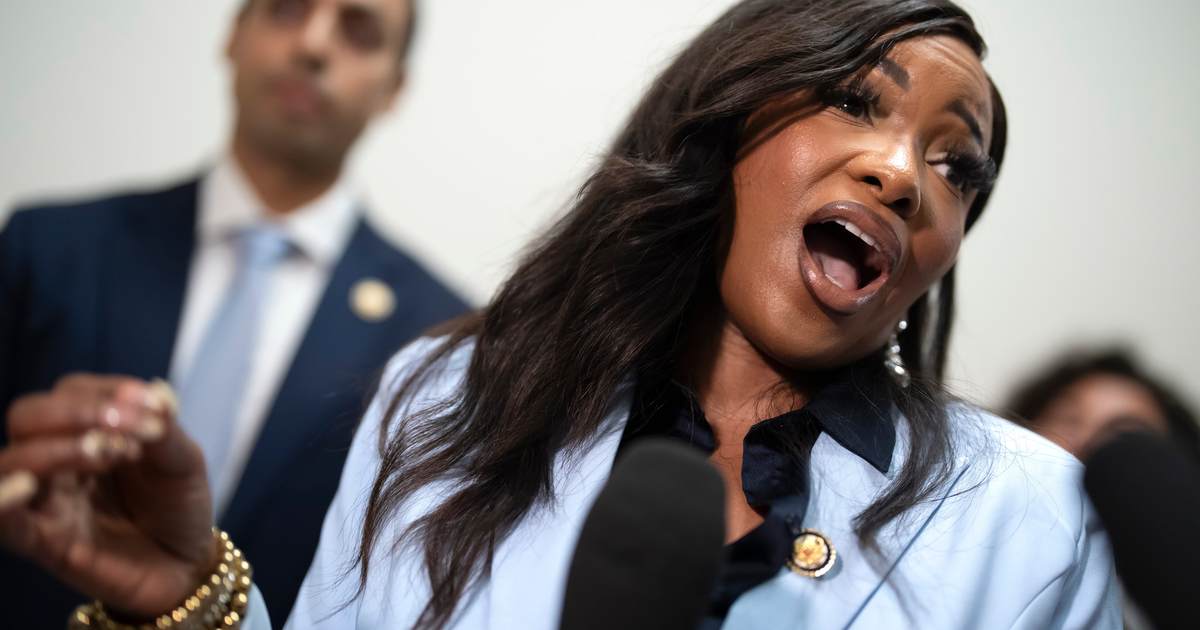
Jasmine Crockett drew fire for publicly mocking Black voters who backed Trump, repeating anecdotes and past interviews that questioned their judgment while the GOP has made measurable gains among Black voters since 2020.
Soon-to-be former Democratic Rep. Jasmine Crockett of TX-30 has been openly critical of Black Americans who broke with the party and supported Donald Trump. Her remarks came up during a recent panel and echoed earlier interviews, and they landed as Republicans point to shifting voter patterns. The tone of her comments comes across as dismissive, which only fuels the debate about how Democrats respond to voters who change allegiance.
On the panel Crockett described hearing from a young Black woman who relayed her father’s view: “He was like, ‘if I go vote, it’s going to be for Trump.'” She said the woman avoided asking whether he actually voted, and then related the rest of the interaction. “And she asked him, and I asked, I said, ‘did he vote?’ She was like, ‘I don’t know. I don’t want to ask.’ But nevertheless, One of the things that she said was, ‘my dad said he could trust Trump.’ And I was like, ‘really?’ And so the reality is that that’s not the first time I’ve had that conversation,” Crockett continued.
This pattern is familiar from Crockett’s prior appearances, where she has publicly characterized people who left the Democratic fold as misinformed or emotionally driven. On CNN she insisted that voters’ feelings were outweighing facts, saying, “While the facts may not align with their feelings, their feelings are dictating their reality and their reality is that they feel better or they felt better when Trump was in office.” She also pointed to entertainers who praised Trump-era paydays, arguing some people misunderstand where the money came from.
She went further in that interview: “some very popular African American artists out here saying things like ‘Oh I got checks when Trump was in office. I want those checks again,’ not understanding that really came from Congress,” and she warned of “an issue as it relates to civics in this country and people not understanding exactly how any of this works.” Those lines underline her thesis that voters are confusing cause and effect when they reward the president.
Crockett has repeated similar themes in long-form profiles, stressing party loyalty and assigning blame when voters stray. She told Vanity Fair, “I will tell you that Black people historically have been fiercely loyal. That’s why you still see the [turnout] numbers that you see coming out for Black folks, even though there was a bit of flaking. And that bit of flaking came from Black men, which I’m going to chalk up to misogyny.” Her framing ties political shifts to cultural and gender dynamics inside the community.
https://x.com/RNCResearch/status/2082851711476006930
She also publicly criticized artist endorsements of Trump, naming specific celebrities and questioning their motives and loyalties. In a February 2026 interview she singled out rapper Nicki Minaj and said, “I just don’t do sellouts, especially in this moment,” adding that, “Things are too serious. There are too many people that are being harmed.” She went on: “And especially with her being an immigrant, then deciding to go and cozy up to this administration that is specifically putting targets on the backs of immigrants and anyone who stands with them … that is wrong, and I don’t even understand how you can play with it and pretend like it’s anything but wrong.”
At the same time Republicans under Donald Trump registered gains with Black voters in the 2024 election, nearly doubling their share from about eight percent in 2020 to roughly 15 percent, according to Pew Research Center analysis of validated voter data. Kamala Harris still captured a large majority, around 83 percent, but the shift toward the GOP was real and politically meaningful. That change was especially notable among Black men.
Black men increased their support for Trump to about 21 percent, a clear uptick from four years earlier, and there were measurable, if smaller, gains among Black women as well. Those numbers explain why Democrats should be asking what went wrong rather than denouncing voters who made a different choice. Republicans point to the movement as proof that outreach and messaging can matter in communities long assumed to be monolithic in their loyalties.
Instead of adjusting messaging to win back votes, many Democrats have responded with scorn, framing the shift as a failure of civics or an act of betrayal. That approach risks alienating voters further, because it treats customers who walked away as fools instead of trying to learn why they defected. If the goal is to regain trust, belittling the people who left is not a strategy that looks likely to work.