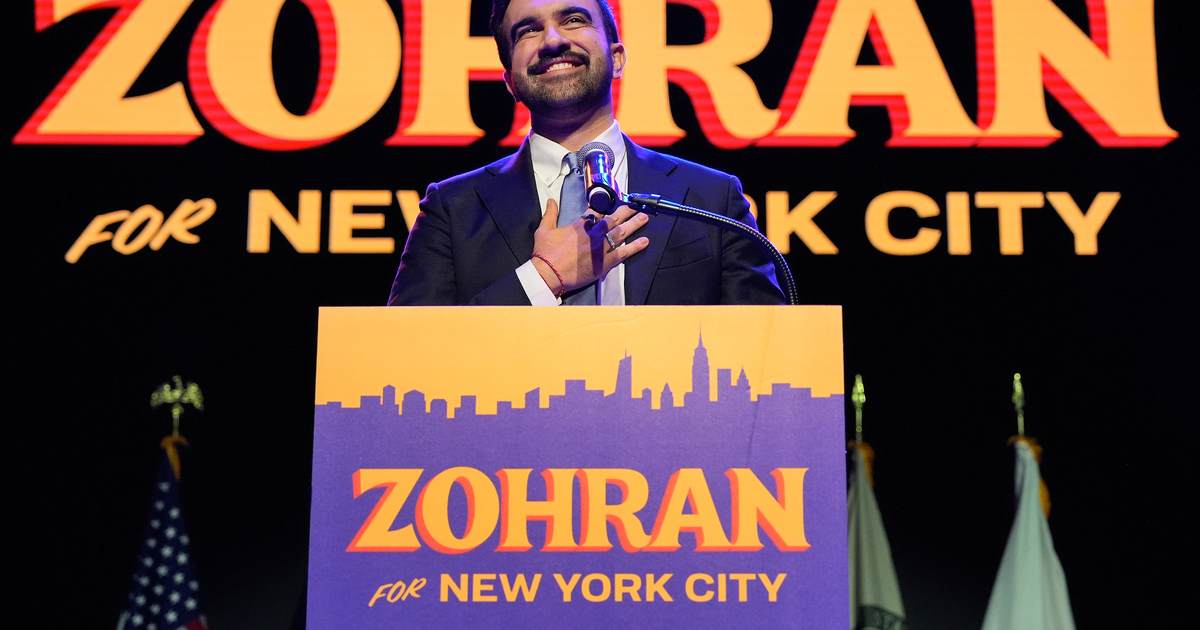
Mayor Zohran Mamdani has abruptly replaced the advisory board of a long-running private fund that channels business and donor support into city programs, a move that cuts at a model of private-public philanthropy while raising questions about fundraising capacity, representation, and the future of services the fund has supported for decades.
— Short Squeez (@shortsqueeznews) The fund at the center of this shift began in 1994 as Public-Private Initiatives Inc., tasked with building “a stronger and more just city” by using private-sector resources to boost civic programs. Over the years it has become a major fundraising engine for New York, tapping corporate relationships and wealthy donors to fund public-facing initiatives across the city. Its backers point to high operational efficiency, noting an estimated 96.85 percent of expenditures go directly to programs.
For more than two decades the organization has channeled tens of millions annually into city needs, maintaining an average spending level around $66 million each year. That steady private support has been relied upon when the city faced sudden crises, allowing quick mobilization without the red tape of government procurement. The fund’s access to business leaders and philanthropists has been described as a key difference between private philanthropy and municipal budgeting cycles.
https://x.com/shortsqueeznews/status/2084403564777013509?ref_src=twsrc%5Etfw
Historically the fund has stepped up in emergencies: after the September 11, 2001 attacks it raised $107 million through the Twin Towers Fund to aid families of rescue workers who were killed or injured. During the COVID-19 pandemic it mobilized $54.5 million for an emergency relief fund that supplied meals, PPE, and other essentials to frontline workers and vulnerable residents. Those campaigns are the sort of rapid-response efforts that private fundraising has made possible in New York.
When Zohran Mamdani took office he began reshaping the governance of that fundraising vehicle, removing the existing advisory board and installing new voices meant to reflect working-class communities. He also altered the board of directors by appointing a former longshoreman and a Bronx public school teacher, moves the mayor framed as shifting priorities toward direct community representation. Critics warn those changes could shrink the fund’s network among high-dollar donors and redirect its mission away from large-scale private fundraising.
Supporters of the mayor’s approach argue that philanthropy should augment and not replace public dollars, and that community voices need seats at decision-making tables. “The creation of a new advisory board is an important next step in reimagining how philanthropy can augment, but not replace, public dollars and public goods, and we are eager to share more about our new board of advisors later this year,” Mamdani senior advisor Dora Pekec said in a statement. “In January, our city entered a new era – one that demands our city government reflect our communities,” she added. “The building of a new Mayor’s Fund, built on the ethos of putting those directly impacted in the rooms where decisions are made, is a continuation of that work.”
Even as advocates emphasize inclusion and accountability, donors and nonprofit partners are watching closely for signs the fund’s fundraising reach will shrink. The worry is practical: if private giving falls off because key connectors are sidelined, programs that relied on those inflows could see support reduced or delayed. That risk has policy implications, because many of the fund’s projects supplement services that would otherwise fall wholly to municipal budgets.
The tension here is structural and political at once, reflecting a larger debate over how cities should balance public funding with private generosity. One side sees a recalibration as a correction to unequal influence and an effort to align philanthropy with community priorities. The other side sees a move that may weaken a proven channel for timely support and diminish the city’s capacity to respond to emergencies without adding new taxes or expanding bureaucracies.
Editor’s Note: New York City is now facing the consequences of Mayor Zohran Mamdani’s socialist takeover.
What plays out next will test whether a reimagined Mayor’s Fund can both broaden participation and preserve the fundraising clout needed to finance major initiatives. Civic leaders, donors, and residents will be tracking how quickly the new advisory structure can build relationships and restore confidence among the private-sector partners that historically powered the fund’s work. The stakes are fiscal and practical: a city that loses a dependable source of private support faces tougher choices about where to cut, where to spend, and how to meet urgent needs when crises hit.