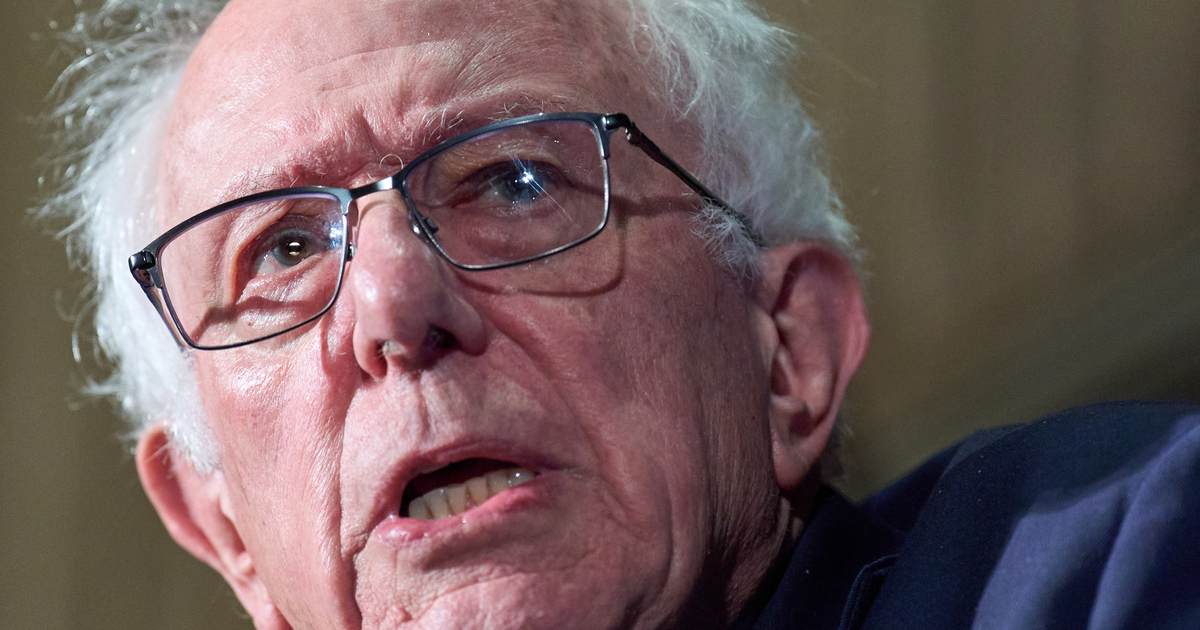
A sharp, plain look at recent claims from Sen. Bernie Sanders that clash with the positions of many on the left and what that inconsistency means for Democrats heading into the midterms.
Bernie Sanders has spent decades as a high-profile voice on the left, and lately his messaging has shifted toward reassurance. He told an audience that “no serious person I know who is running for office believes in defunding the police” and denied support for open borders, pushing a calmer image as the midterms approach. That claim sits uneasily next to the platform and rhetoric coming from other left-wing groups and some candidates he has backed.
When a senior party figure distances the party from its most extreme ideas, it’s a political move, not always an accurate description of reality. Sanders’ appearance on Pod Save America pushed a narrative of moderation that many Republicans and independents find hard to reconcile with what they see from Democratic primaries. The contrast between his words and the positions of other left-leaning activists makes voters question how honest those reassurances really are.
Several candidates associated with the progressive movement have openly supported policies that Sanders now disavows, creating a credibility gap. Darializa Avila Chevalier and Claire Valdez are examples cited by critics who say their campaigns included calls to abolish prisons or to roll back federal immigration enforcement. Those positions feed the concern that what Sanders calls fringe ideas are actually shaping policy platforms in contested districts.
https://x.com/jonfavs/status/2085147495999615186
One of the clearer flashpoints is the rhetoric around criminal justice. U.S. Senate candidate James Talarico publicly said “prison is violence” during an appearance, language that fuels narratives about wanting to dismantle the justice system rather than reform it. For many voters, statements like that sound radical and are easy fodder for opponents who argue the left is out of touch with public safety priorities. That helps explain why Republicans are emphasizing these contrasts in campaign messaging.
The organization Democratic Socialists of America lays out positions that go well beyond centrist reforms, calling for dramatic shifts in immigration and law enforcement. Its platform explicitly calls for abolishing ICE, ending police immunity and “mass incarceration” by “fully abolishing the police and prison system,” along with endorsing the “legalization of migration.” Those lines are stark and specific, and they make it difficult for any Democrat to credibly claim the party has moved away from radical change.
Electoral results in some primaries show these ideas aren’t merely theoretical. Candidates aligned with the more militant left have been winning Democratic primaries in places like New York, displacing incumbents who were already on the progressive end of the spectrum. That trend suggests the party base in certain areas prefers bolder, structural reforms rather than the tempered promises being offered to voters nationwide.
From a Republican perspective, Sanders’ attempts at moderation are defensive and intentional, meant to blunt attacks heading into a tough midterm cycle. Pointing out the contradictions between his public comments and the policy language of influential organizations or endorsed candidates is a straightforward way to challenge the Democrats’ electability. Voters deserve consistency, and when party leaders say one thing while activists say another, it creates distrust that can tip close races.
It’s worth noting how messaging matters more than ever in an environment where single phrases can define a campaign. When a candidate or a prominent figure like Sanders offers reassurances, opponents will dig for moments that show otherwise, highlighting endorsements, platforms and past statements. That dynamic keeps this debate in the spotlight and makes it a continuing theme in campaign conversations across the country.