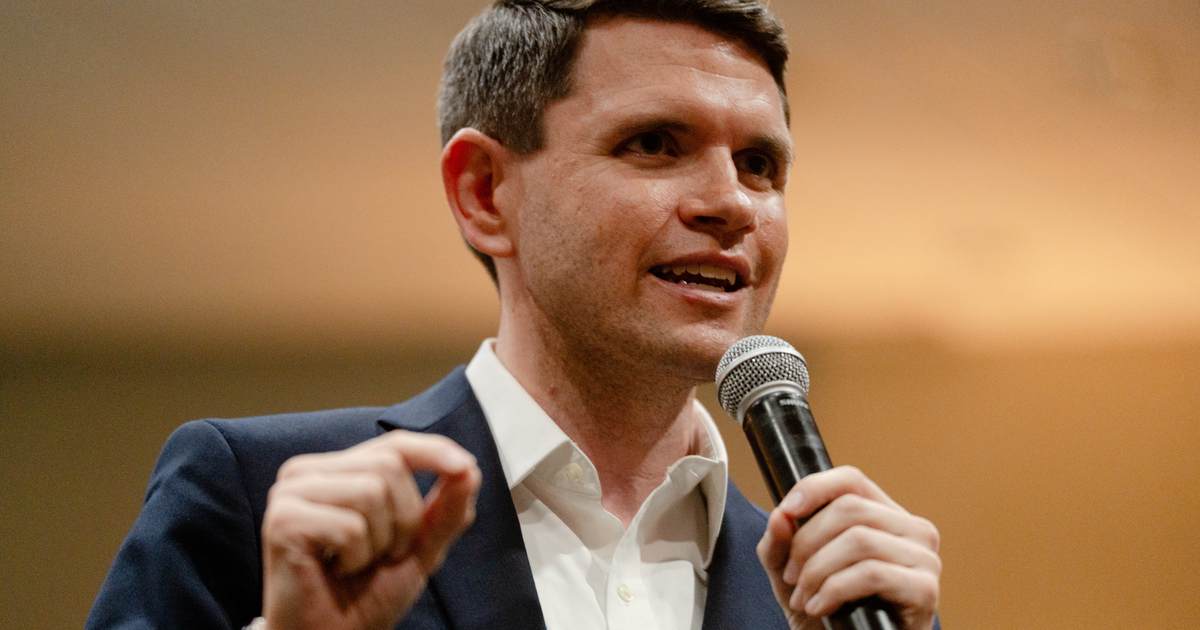
The campaign for James Talarico has now admitted the relationship with former staffer Brianna Menard began while she worked in his office, after months of mixed timelines and denials that raised serious ethical questions.
Campaign statements had pushed a later timeline, saying the romance started after Menard left Talarico’s staff to take another job, but that account has unravelled under scrutiny and new reporting. Records show Menard worked in Talarico’s office from March 2020 until January 2023, and the campaign’s own narrative shifted as details emerged. The admission undercuts earlier claims and forces voters to reckon with how power was used inside the Texas House.
The campaign previously suggested Menard did not start dating Talarico until she left to work for Texas State Representative Salman Bhojani as his chief of staff. Bhojani has said Talarico reached out to secure Menard a position in his office shortly after Bhojani’s election, a move that raises questions about influence and propriety. That outreach, combined with the timeline, makes the initial campaign story hard to believe.
When Talarico later discussed the relationship publicly, the campaign tried to frame it as beginning after Menard’s departure from his office. “After they developed feelings for each other, she left the office to pursue other opportunities and have been together ever since,” the San Antonio Current said of the start of their relationship. That wording was presented as the official version, even while other records suggested otherwise.
Investigative reporting showed the timeline provided by the campaign had discrepancies that pointed to a relationship starting earlier, while Menard was still employed as chief of staff. Separate reporting found Talarico had used his influence to help place Menard into another taxpayer-funded job in the Texas House. Those findings feed concerns about favoritism and whether public resources were leveraged for personal reasons.
https://x.com/JoeChalfant/status/2060734437176873401
Now the campaign has confirmed what critics and local reporting had suspected for months: the relationship did begin while Menard worked for Talarico, and it continued into subsequent roles. That admission validates the ethical questions and leaves unanswered how campaign and office practices allowed this to go unaddressed. For many voters, the confirmation is less about gossip and more about judgment and trust in an elected official.
To make matters worse, Menard is not the only staffer Talarico reportedly dated while involved in his political orbit. Previous reporting documented a separate relationship with a staffer in another office, who later found employment with the Texas House Democratic Caucus and received substantial payments. That pattern suggests a troubling tendency to mix personal relationships with official personnel decisions.
The broader media response has been muted compared to other similar scandals involving public officials, even as parallels are clear. Democrats like Sen. Ruben Gallego faced intense scrutiny for alleged relationships with staffers in separate congressional offices, yet coverage and outrage have been inconsistent. The difference in attention fuels the perception of double standards and protective coverage for political allies.
Ethical rules for legislative offices are meant to prevent power imbalances and protect staffers from coercion or favoritism, yet those safeguards look weaker when top staffers and members mix personal and professional lines. Voters deserve transparency about hiring practices, personnel moves, and whether any public funds were involved in job placements connected to romantic relationships. The admission by the campaign should prompt a clear accounting of who knew what and when.
Campaigns can survive mistakes, but repeated lapses in judgment and evasive timelines erode confidence, especially for officials who promised accountability. Lawmakers must be held to a standard that keeps private life from influencing public duty, and officials who cross that line need to answer specific questions from constituents. Silence and vague denials no longer suffice when simple timelines and records tell a different story.