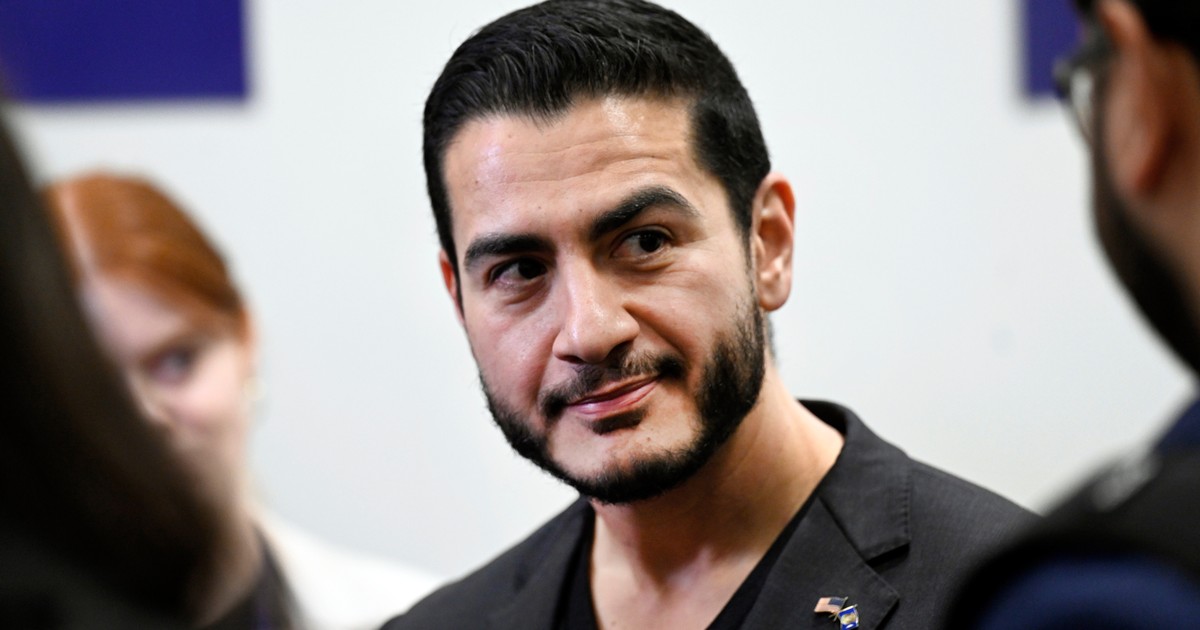
This piece examines the growing drama around Michigan’s Senate race, a viral clip of Abdul El-Sayed criticizing Mackinac Island, and the uneasy alliance between mainstream Democrats and their socialist flank as Republicans press their case to voters.
The Michigan Senate contest has tightened into a raw, personal fight with Republican Mike Rogers working to peel off unhappy Democrats and independents. A group of Democrats for Mike Rogers has surfaced, arguing for country over party, and Rogers is running as the pragmatic alternative to what many voters see as extreme rhetoric on the left.
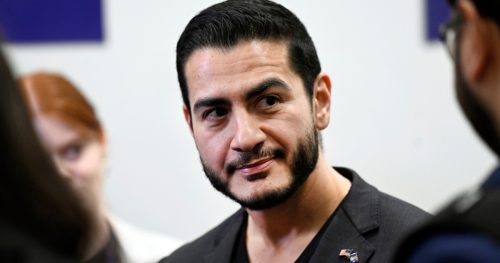
Abdul El-Sayed has answered with threats and name-calling aimed at opponents, warning that his supporters will “hold him accountable” if Rogers steps out of line or back into Michigan. That sort of language fuels concerns among voters about a campaign willing to stoke factional anger rather than build bridges.
Allies of El-Sayed have only made things worse by demanding discipline and punishment for Democrats who don’t toe a stricter ideological line. Hasan Piker and other prominent left-wing figures have openly scolded fellow Democrats, signaling to persuadable voters that dissent will not be tolerated. That kind of public pressure turns off everyday Michiganders who want pragmatic problem-solvers, not ideological purity tests.
What sealed this story for many was a leaked video of El-Sayed dismissing Mackinac Island, Michigan’s top tourist spot, in a way that came off as dismissive and out of touch. The clip has traveled fast, and critics say it underscores a deeper disconnect between the candidate and the communities he hopes to represent.
https://x.com/TPostMillennial/status/2085024647590904100
“How does someone who hates the state he’s running in even have a chance?” this user wrote, capturing the sentiment of voters who interpret the remarks as disrespectful. The backlash is predictable: when a candidate belittles a beloved local place, it becomes a simple, relatable litmus test for voters wondering whether he respects their home. Swift, personal reactions like that can be politically fatal in a tight race.
“I hate Mackinac so much,” El-Sayed says. “It’s funny because, like, if we win this is going to be the summer home and it’s going to be like every time I’ve ever come here I’ve hated it.” Hearing a candidate joke about loathing a destination that supports local businesses and family trips did not land as charming or clever. People on all sides noticed the tone and the implication that some communities are less desirable.
Is that because the idyllic island is 57 percent white and a low crime rate, when adjusting for tourism? Probably. That sentence, blunt and offensive to many, plays into the narrative that some on the left write off entire communities rather than attempting to understand them.
The Democratic Socialists have reacted with relish, seeing the moment as a sign their blunt approach is working and their critics are out of step. They celebrate conflict and ideological clarity over coalition-building, and those instincts worry moderate voters who prefer steady governance over culture-war declarations.
Polls in Michigan are razor close, which only magnifies every misstep and every viral moment. In a state where margins matter, tone, respect, and relatability count for a lot; that makes every clip, every taunt, and every campaign promise feel like it could tip the outcome.
On the ground, real people have real reactions: a local family enjoyed a summer visit to Mackinac and saw the island as a slice of small-town Michigan hospitality and economy. Those kinds of personal experiences drive voting choices more than abstract ideology.
Yes. They hate America and traditional white culture. They will destroy both if they get the chance. Do not give them that chance.
The split between mainstream Democrats and the Democratic Socialists is stark: one side still courts swing voters and prioritizes broad appeal, while the other revels in raw ideology and public shaming. For voters deciding in a close race, those differences are more than academic; they shape the tone of campaigns and, ultimately, the kind of representation citizens receive in Washington.