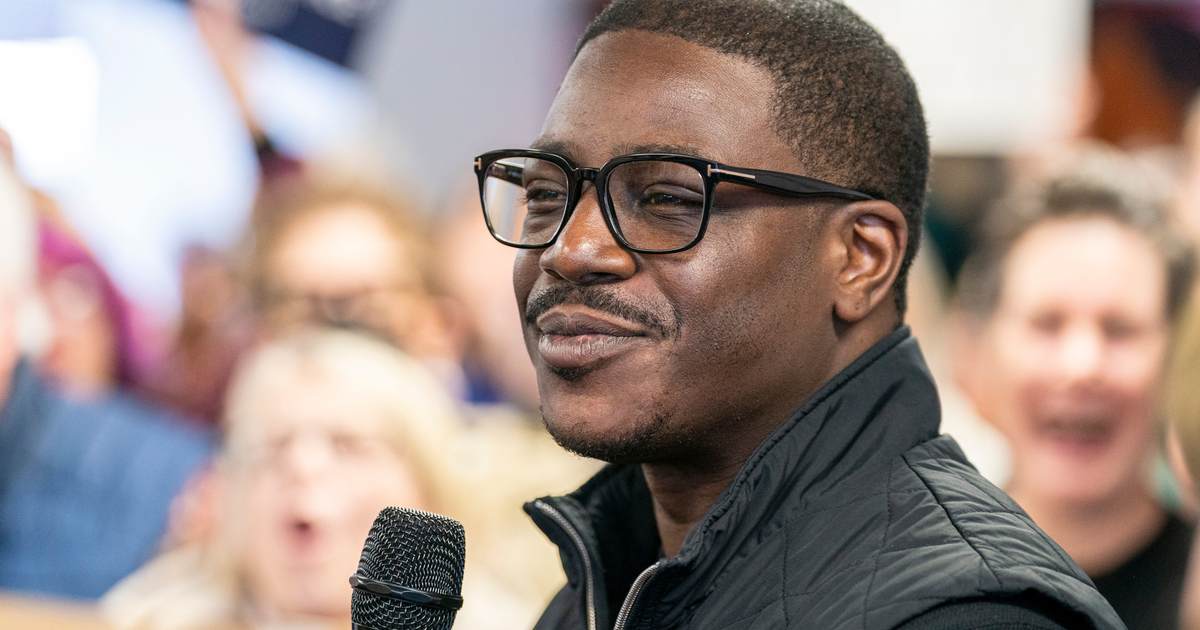
This piece looks at the closing days of the Wisconsin primary, the arguments Crowley is making to win voters, comparisons with his Democratic rival, polling questions about youth turnout, and the broader consequences for the party as the race tightens.
The Wisconsin primary sits just days away and David Crowley is clearly pushing hard to change the calculus. His campaign memo argues that current polls may be misreading the youth vote, pointing to turnout patterns in previous cycles that could tighten the race. That claim is meant to justify continued optimism despite unfavorable numbers and a recent Michigan result that shook Democratic confidence.
Crowley has tried to cast himself as a pragmatic alternative, emphasizing outreach beyond his base and echoing a moderate tone many voters say they want to hear. He frames that reach as a reason Democrats should pay attention to independents and even Republicans when shaping policy. The effort is part pitch, part defense as he moves through final days of the contest.
“I would argue we have to listen to independents and Republicans because we don’t have a monopoly on good ideas,” Crowley said. He uses that line to signal openness, hoping it will blunt criticism from both the left and center while winning enough crossover support to matter at the polls.
https://x.com/kenklippenstein/status/2085508532317655182
Still, reporters have pointed out that his stated priorities sound a lot like his rival’s. In an interview with a local outlet, Crowley’s policy list showed substantial overlap with Francesca Hong’s positions, including controversial stances on law enforcement and changes to school choice. Those parallels undermine the moderate image he is trying to sell and give Republicans a clear talking point about inconsistency.
Voters notice when messaging and policy don’t line up, and Republican strategists will highlight that split relentlessly between now and Election Day. The argument is simple: label the Democrat as out of step with mainstream concerns and push independent voters to either sit out or defect. That strategy has worked before in swing states and could be decisive in Wisconsin.
There’s also the polling question to parse. Crowley’s team insists youth turnout is being overstated and that older, more reliable voters will matter far more than flashy headlines. If that turns out to be true, closing machines and grassroots GOTV programs will be the real story, not the trending topics. Conversely, if the youth surge materializes, the entire trajectory of the race changes in a hurry.
Democrats’ internal jockeying tells another story: they fear the wrong nominee could cost them the state. That fear is what prompted party figures to press Crowley back into the contest, convinced that a different top-of-ticket choice offers a better path to November. From a Republican perspective, the scramble exposes vulnerabilities and creates openings to define the eventual Democratic nominee before voters do.
Crowley’s pitch to independents and Republicans is clever politically, but it faces a steep test: voters don’t just take slogans at face value. They look at records, policy specifics, and rhetorical consistency. When someone claims to be moderate while backing radical changes, Republicans will contrast those claims with the policy record and make the case that labels don’t change outcomes.
On the ground, every late swing matter revolves around turnout math. Campaigns are burning resources on calls, doors, and targeted digital pushes in neighborhoods that decided previous close contests. A small shift in who shows up on primary day could change which Democrat moves forward and how vulnerable that nominee will be against a unified Republican campaign in November.
For Wisconsin voters, this is more than intra-party drama; it’s a practical test of which messaging and organizational muscle actually work under pressure. Republicans are watching to see whether the Democrats’ endgame produces a nominee who can defend those left-of-center priorities in a general election. The state’s recent history proves that margins can be thin and every tactic counts.
Make of that what you will, of course. Democrats acted to protect their perceived electability, and that maneuvering has left the primary messy and unpredictable. The coming days will show whether crowing about cross-party reach is enough to move voters, or if substantive differences will define the fall campaign.