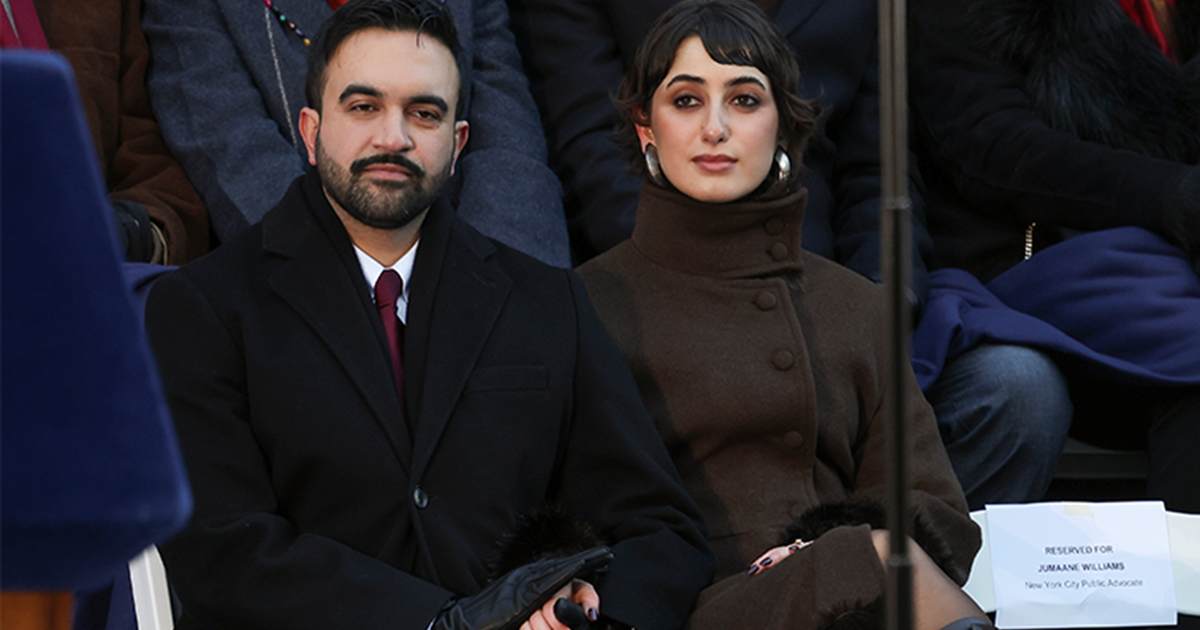
Rama Duwaji, the mayor’s wife, is reportedly taking an NYPD security detail paid by taxpayers to travel to Syria and Lebanon, raising questions about private-citizen claims, public safety priorities, and political hypocrisy in New York City.
Public records and reporting show Rama Duwaji, the spouse of New York City’s mayor, has drawn sharp attention for past social media activity celebrating violent events and for her ties to the Middle East. The mayor has defended her as a private person, but that label clashes with the reality of an official, taxpayer-funded security detail accompanying her overseas. New Yorkers deserve clear answers about when and why city resources protect members of the mayoral household.
Sources say Duwaji plans travel beginning Sept. 20 to Syria and Lebanon, countries listed by the State Department as “Do Not Travel.” Officials familiar with the arrangement report she requested NYPD protection after previously traveling without police. Sending officers into high-risk regions for a mayoral spouse raises straightforward questions about priorities and liability for the city.
Those questions deepen because New York is home to the largest Jewish community outside Israel, and many residents remain sensitive to public affirmations of violence or antisemitic rhetoric. Reports that Duwaji liked posts celebrating October 7 and other violent or hateful content make the optics particularly bad for a city leader who claims to represent everyone. Citizens who feel threatened by those signals expect their government to respond even-handedly.
There’s also an obvious political contradiction here. The mayor and his allies have pushed policies that reduce police staffing and redirect funds away from traditional law enforcement roles. Yet when the mayor’s household needs protection, the same city police force is billed to provide a detail. That selective approach to policing looks less like principle and more like privilege, and voters notice the double standard.
Beyond the politics, there’s a safety calculus. If officers are sent to protect a charismatic but private spouse in a “Do Not Travel” country, who decides the acceptable level of risk? Who pays if something goes wrong? Those are not hypothetical concerns when New York’s taxpayers cover overtime, logistics, and potential diplomatic complications. The public deserves transparency on operational protocols and legal exposure.
https://x.com/nypost/status/2086979950083555493
Duwaji is described in reporting as a 29-year-old Syrian-American artist with family roots in Damascus who identifies publicly with her heritage. That background may explain the travel destination, but it does not automatically justify using NYPD resources overseas. Officials should explain why alternative security options were rejected and why the trip could not be delayed or restructured to avoid placing local officers in harm’s way.
The media should also ask tougher questions about whether the mayor’s “private person” defense was ever intended to apply when city services are at stake. If a spouse uses public protection, their public profile changes; being shielded by uniformed personnel is a form of official presence even if no title is held. Clarity matters for accountability and for the trust that residents place in city leadership.
Mayor Zohran Mamdani’s wife Rama Duwaji is heading to Syria and Lebanon next month – and she’s bringing along cops assigned to the first couple’s taxpayer-funded NYPD detail, The Post has learned.
Duwaji will be jetting to the Middle East for a trip beginning Sept. 20 to the countries on the State Department’s “Do Not Travel” list for Americans because of dangerous conditions, a source said.
The source familiar with the security detail said the first lady, who’s been described by the mayor as a “private person,” requested NYPD security – after traveling overseas last month without police protection.
Duwaji, a 29-year-old Syrian-American artist, has ties to the region and refers to herself as a “Syrian Illustrator” on her website. Her parents are Syrian Muslims originally from Damascus.
New York taxpayers are already stretched thin, and deploying city officers abroad for a mayoral spouse looks like an avoidable expense. The optics of frontline cops protecting a political household while streets in many neighborhoods lack adequate patrols will be used as a political cudgel, and deservedly so. Leaders should either align policy and practice or be honest about the trade-offs.
There’s a broader cultural element, too: public officials and their families count as public figures when their actions involve public resources or affect community safety. Claims to privacy cannot be an uninterrupted shield from scrutiny if the private party’s choices trigger public costs. That balance has to be managed transparently, not waved away.
Critics on the right will point out the glaring inconsistency between calls to “defund” traditional policing and the instinct to summon protection when political benefit or image management is in play. This isn’t about denying anyone safety; it’s about consistent rules. If police reform means fewer protections across the board, that should apply equally to powerful households as to working families.
Reporters should press for details: who approved the overseas deployment, how costs will be covered, and what contingency plans exist if the security detail encounters danger. Elected leaders should be ready to explain whether the mayor’s spouse gets preferential treatment and why city resources are being allocated this way. The public has a right to straightforward answers.
Until those answers arrive, residents will judge this episode as a test of honesty and priorities in city governance. Officials can either demonstrate consistent, defensible procedures for protecting public figures, or they can continue a pattern where political allies get different rules. For a city that values fairness, the choice is obvious and overdue.