A senior Chinese intelligence figure used a family foundation to buy a property steps from the White House, raising fresh national security concerns and prompting scrutiny from U.S. experts.
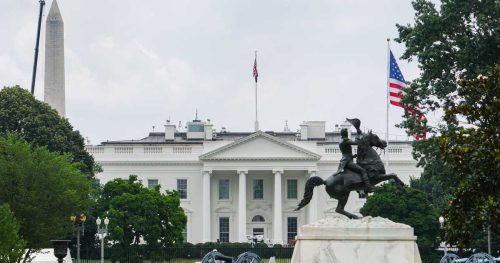
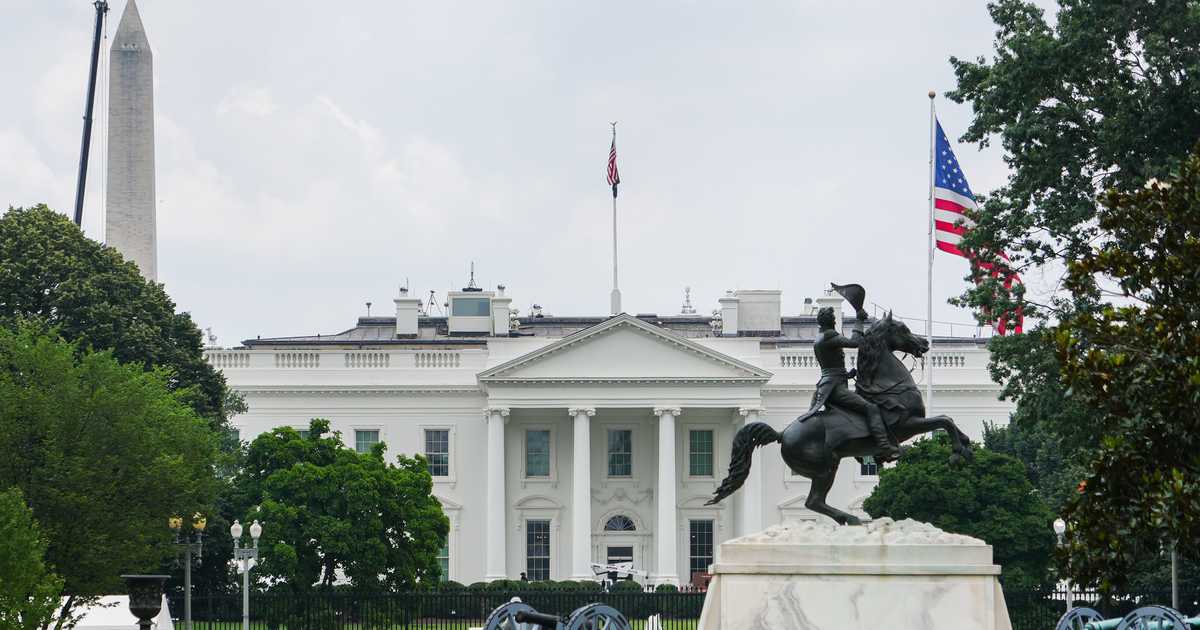
The purchase was recorded in public filings showing the property changed hands on July 21, 2026 for $8.4 million under the Philip Qiu and Family Foundation. The building sits roughly 650 feet northeast of the White House along 15th Street, a location that immediately draws attention from security analysts. The transaction’s proximity and the buyer’s background make the ownership notable on its face.
The buyer is identified as Philip Qiu, whose Chinese name is Qui Feili, and public records connect him to Chinese intelligence roles. Reports indicate Qui was trained as a sniper, a detail attributed to a translated announcement from his master’s program in 2011. Those combined facts alter how this property is seen by national security professionals.
Sources familiar with the matter say Qui held multiple positions within Chinese intelligence services, giving his purchase a different dimension than a routine real estate acquisition. When an individual with ties to a foreign intelligence apparatus controls a windowed vantage point near the executive complex, standard counterintelligence instincts kick in. That is why U.S. analysts immediately flagged the deal for closer review.
Intelligence officials point out how a nearby building can serve several operational purposes beyond simple observation. A property at that distance could host equipment to collect signals, track movements, or monitor communications patterns, all of which would be useful to a foreign actor. These are core concerns when the purchaser has a background in intelligence and tactical training.
One former operations officer argued the location would be useful for both overt and covert activities, stressing the range of options it provides to an adversary. In practical terms, windows, terraces, and rooflines can all be platforms for various collection methods if they are exploited. That raises straightforward questions about countermeasures and access control in the surrounding area.
“This property allows access for big splashy intel ops as well as for more classic ops — like a listening post or Stingray-like systems to collect phone calls, text messages, and digital exhaust,” Bryan Dean Wright, former CIA operations officer, told the DCNF. “That’s all great for collecting targeting information to later ‘bump’ or recruit targets out in the world, who otherwise work inside a key U.S. government building.”
Public filings traced to the foundation name form the core of the ownership narrative, showing how the transaction was structured and recorded. Those documents prompted reporters and analysts to piece together a timeline of Qui’s education, service, and public statements. The pattern matters more than any single fact when assessing intent and capability.
National security officials say surveillance is not the only risk; such a location can support influence operations and human intelligence activities as well. Establishing a footprint inside the capital gives a foreign actor options for outreach, observation, and the slow development of contacts. That combination of technical and human avenues is why officials treat these incidents seriously.
https://x.com/Michael7ucci/status/2087904204132147642
Republican lawmakers and conservative commentators have already raised alarms, arguing the sale reveals gaps in oversight that need fixing. They point to the ease with which a foreign-linked entity acquired high-value real estate so close to the seat of executive power. Those concerns intersect with longer-standing debates over foreign investment screening and information security around government facilities.
Officials familiar with the area say routine counterintelligence steps can mitigate many risks if they are implemented promptly and thoroughly. Measures could include closer monitoring of the site, signal detection sweeps, and vetting of any personnel or contractors working there. The priority, according to that view, is to eliminate exploitable seams before they are used.
Transparency around ownership and operations at sensitive sites is a recurring theme in the debate, with critics saying more proactive disclosure rules are needed. The presence of a foundation as the recorded buyer complicates simple answers, since philanthropic and family entities can be legitimate while also masking other interests. That ambiguity is precisely what alarms security-minded observers.
In Washington, where proximity equals influence, every new ownership change near government buildings gets read like a signal. This deal adds another chapter to those concerns, and it will be parsed by congressional staffers, agency counterintelligence teams, and independent analysts alike. The building on 15th Street will now sit under a different kind of scrutiny.
Any follow-up from federal authorities, whether investigatory or regulatory, will unfold in public and classified channels at the same time. That dual path is typical for matters that touch on both domestic law and foreign intelligence activity. The coming weeks should reveal how institutions respond to a high-profile purchase in the nerve center of U.S. power.