This article looks at the fallout from a secret presidential plane switch in Turkey, the White House Correspondents’ Association asking for new safety protocols, and the argument that protecting the president outweighs press complaints.
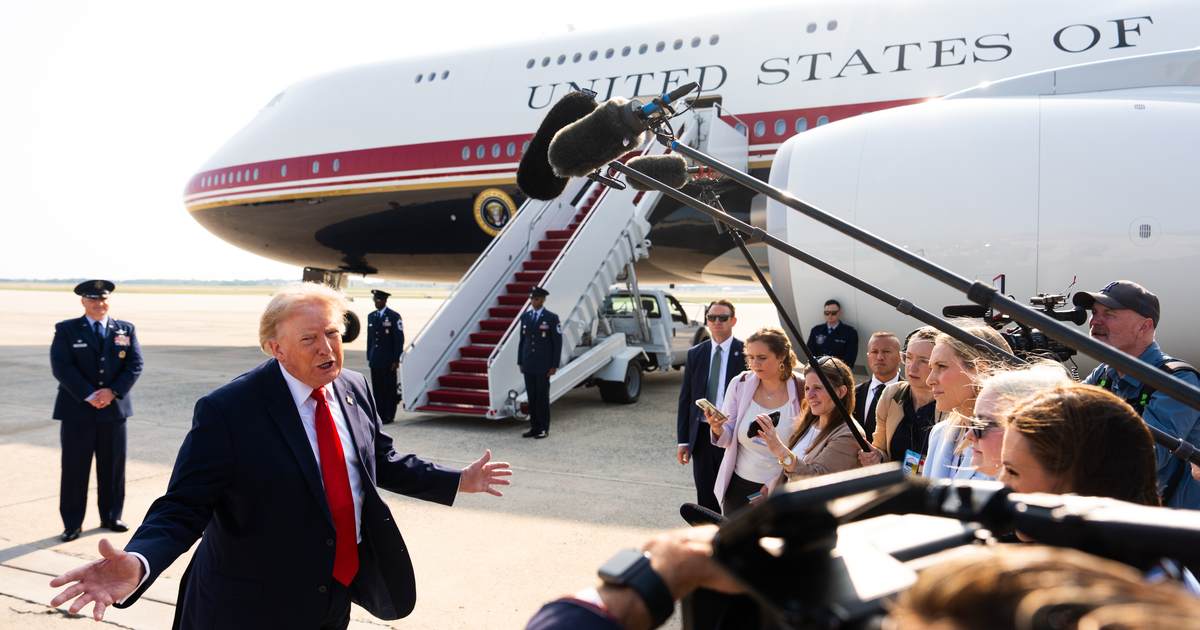
In July, President Trump was moved out of Turkey after a credible Iranian assassination plot was uncovered, and the Secret Service executed a planned change of planes to protect him. The operation worked: the president was safely flown out without public fanfare, and the immediate risk was neutralized. What followed was predictable pushback from parts of the press corps, upset at being used as decoys during an active security response.
The debate now centers on whether the White House should create formal protocols with the press for “extraordinary security circumstances.” Reporters worry about pool integrity, independent records of movements, and their own safety when they are not told everything. From a security-first view, the priority has to be the president’s life when a credible threat exists.
History shows administrations have handled sensitive evacuations differently, sometimes briefing reporters off the record to protect operational security. That precedent is relevant because leaking even basic details can turn a protective move into a danger. When a raid, evacuation, or plane switch is at stake, operational secrecy can save lives, plain and simple.
The Secret Service has faced criticism before, notably after the 2024 Butler attempt on the president’s life, but that history does not change the current calculus. Here, agents put a plan into motion that prevented a potential strike on presidential transport, and the outcome was success. It makes sense that protective agencies would opt for measures that reduce vulnerability, even if those measures frustrate a press corps that expects transparency at every turn.
Press leaders pushed back hard once the switch was revealed, calling for a new framework for handling such moments in the future. Their demands include formal cooperation with the White House and assurances about the integrity of pooled reporting. Those concerns are not unreasonable on their face, but they must be balanced against the real, present danger that prompted secrecy.
The White House Correspondents’ Association has asked President Donald Trump’s administration to “work with us on a protocol for handling extraordinary security circumstances in the future,” now that his secret plane switch last month has been revealed by leaks to news organizations.
Fox News anchor and senior White House correspondent Jacqui Heinrich, who is currently serving as president of the group, met with Trump aides about the matter on Tuesday and relayed the press corps’ concerns about the subterfuge.
[…]
The association immediately heard concerns from members — including, Heinrich wrote, “press safety, the ability of the pool to maintain an independent record of the president’s movements, and the integrity and credibility of pooled reporting.”
In a memo to members on Tuesday evening, Heinrich wrote that she had a “candid and productive meeting” to convey those concerns.
While the meeting itself was off the record, and the White House has yet to answer many questions about the secret plane switch, Heinrich indicated that the White House’s credibility is on the line.
Those who argue the White House must bow to the press forget that secrecy is sometimes the difference between life and death. When there is a credible foreign plot involved, the instinct to shield operations and sources of vulnerability should be uncontroversial. The press can be critical and hold officials accountable without broadcasting active security moves to potential adversaries.
Critics claim a lack of trust and call the episode an attack on press freedom, but the two ideas are not mutually exclusive. Demanding full disclosure in the middle of a credible assassination plot is irresponsible. In the real world, some information simply cannot be shared without grave consequences.
The president was in Turkey for a NATO summit when the threat emerged, and the decision to change aircraft was tactical, not theatrical. The people who had to make split-second life-or-death calls created a solution that worked. Complaints about process belong in calmer moments, not while assessing whether the president lives or dies.
Until the press corps demonstrates consistent responsibility with sensitive reporting, it makes little sense to let every operation be exposed immediately. Pool reporting remains vital, but so does discretion in the face of imminent threats. Any future protocol should reflect that balance: transparency where safe, silence where necessary.
At the end of the day, security professionals will always favor preserving life and mission over satisfying immediate curiosity. That is not arrogance; it is duty. The conversation about protocols can continue, but it must begin from the premise that safety comes first and contingency plans will sometimes require secrecy.