This article looks at the Republican opposition file on Francesca Hong, the dossier’s key claims, and how those findings played into a razor-thin Wisconsin primary that left Tom Tiffany facing David Crowley in November.
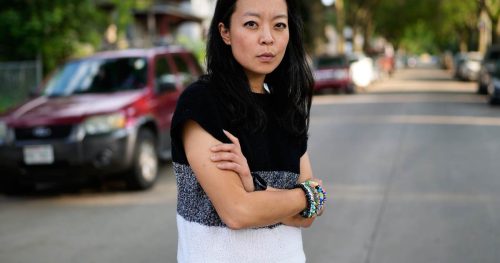
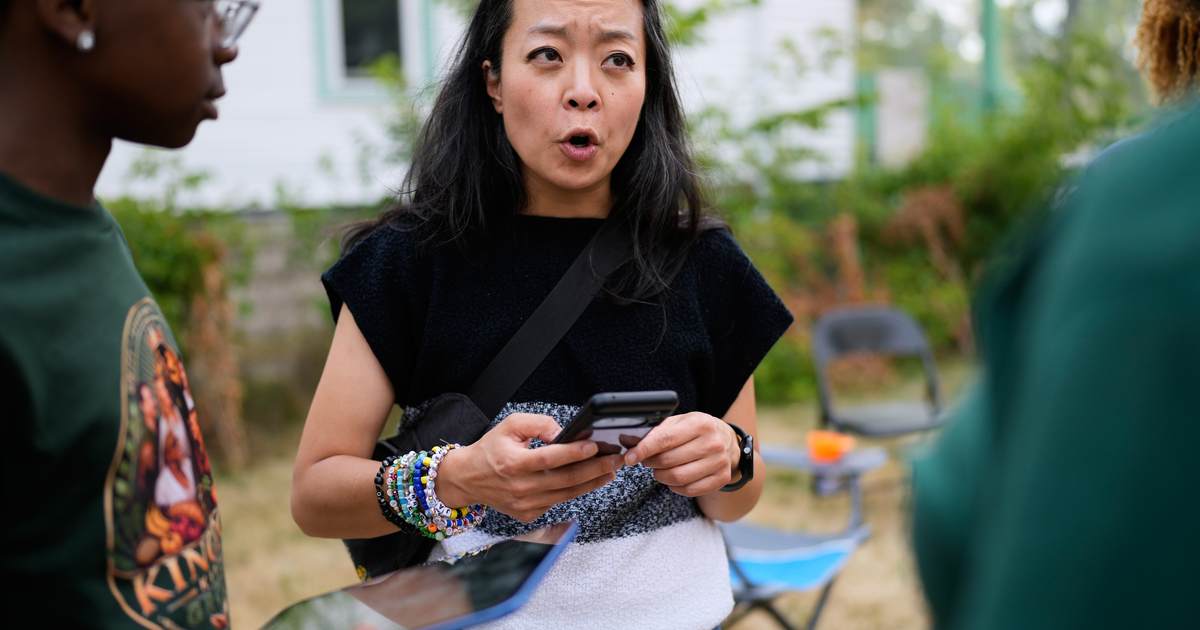
The GOP gathered a 349-page opposition file on Francesca Hong that wound up in reporters’ hands, and the contents made clear what Republicans would have run on if she had won the primary. Hong narrowly lost by 3,211 votes, a 0.4 percent margin, denying Democrats a more progressive standard-bearer in a crucial battleground. That tight result makes the file’s existence and potential impact worth examining from a conservative viewpoint.
The dossier underlines a contrast between progressive messaging and what swing voters will tolerate in Midwest states. The reporting pulled together repeated uses of social justice language, policy positions on immigration and gender, and symbolic gestures that play well in some liberal circles but badly in many suburban and rural districts. Republicans prepared to exploit those positions, aiming to turn cultural signaling into electoral liability.
Much of the material in the file wasn’t new, which made it easier for campaigns to deploy quickly and loudly. Political operatives can amplify familiar lines until they stick with undecided voters, and that’s precisely what the GOP did here. The result may have helped blunt what many expected would be an easy progressive victory, though critics argue the heavy attacks might have also cost Republicans a cleaner opportunity.
The file lists a series of public statements and policy stances that illustrate why conservatives saw a vulnerability. It cites Hong calling neighborhood gentrification “violence” against Black people and sponsoring a 2021 resolution labeling systemic racism “a public health crisis.” It also notes symbolic language such as describing her location on social platforms as “occupied Ho-Chunk Land,” a detail that feeds narratives about identity politics.
Much of the research file is devoted to Hong’s repeated use of social justice language that became chic among the left in the Trump era. At times it reads like woke Mad Libs. Some of the hits: In 2020, she wrote that neighborhood gentrification is “violence” against Black people. In 2021, she sponsored a resolution calling systemic racism “a public health crisis” and demanding the state legislature create “an equity-oriented country and society.” For years, Hong’s bio on X described her location as “occupied Ho-Chunk Land” rather than her home in Madison.
[…]
On immigration, Hong has loudly called for ICE to be abolished, which is not a secret. But the book includes references to calling ICE agents “terrorists” and “fascists”—terms that repel swing voters, according to plenty of Democratic polls in recent years. In 2021, Hong appeared at a Madison rally and said that all immigrants should be citizens.
[…]
The oppo book also features 10 full pages of Hong staking out far-left positions on trans rights and gender issues. In 2021, she supported a taxpayer-funded task force to study “the societal barriers to equality” for intersex and “gender nonconforming individuals.” In 2022, Hong referred to pregnant women as “pregnant people.” In 2023, she voted against a bill banning gender reassignment surgery for minors. That same year, she supported a local resolution that would make Dane County a legal sanctuary for trans and nonbinary Wisconsinites. She also opposed legislation requiring that public school sports teams be designated for males or females—or co-ed.
Most of these comments are probably to be expected from a D.S.A. state legislator from Madison, one of the most progressive towns in the country and sometimes called the Berkeley of the Midwest. But running for governor in one of the closest battlegrounds in the country? That’s a far different political proposition. As the book demonstrates, Republicans were set to clobber her with a voluminous archive of outside-the-mainstream commentary, hoping that her crunchy crusader brand would repel swing voters more than Trump’s ugly approval rating.
The immigration lines in the file stand out because they touch a core voter concern: border security and the rule of law. The dossier notes Hong’s public call to abolish ICE and records instances where she allegedly labeled ICE agents “terrorists” and “fascists.” From a Republican perspective those words are campaign gold when framed against promises of law and order.
The gender and transgender sections of the dossier are similarly potent politically, listing positions and votes that many voters see as extreme. Ten pages of policy stances on trans issues, backing taxpayer-funded studies on intersex and gender nonconforming people, and opposing limits on gender reassignment surgery for minors were all cataloged. For swing voters outside the most progressive enclaves, those positions can create real hesitation about a candidate’s priorities.
Labeling and cultural language matter in a general election, and Republicans banked on that calculation in Wisconsin. The dossier was designed to turn insider progressive talk into digestible attack lines for suburban and rural voters. That strategy isn’t new, but when combined with a tight primary loss it raises questions about how much influence grassroots progressivism will have in competitive states.
There are, of course, hypothetical counterpoints: a candidate can retool, hire new strategists, and change tone after a primary. Hong might have attempted to moderate or reposition her messaging to appeal to a broader electorate. Still, the depth and volume of material in a 349-page file would have made any pivot a difficult and uphill task during the short window before a general election.
In the end, Tom Tiffany will face David Crowley this November, not Francesca Hong, and the conservative argument is that the opposition research played a role in shaping that outcome. Whether the GOP’s approach was the right tactical choice or a risky trade-off for longer-term gains in the state will be debated, but the dossier itself shows how sharply cultural and policy differences can be weaponized in modern campaigns.