Texas officials moved quickly after word surfaced that Dallas-Fort Worth International Airport was considering washing stations for Islamic ritual ablution, and the airport has now dropped the proposal amid state scrutiny and public debate.
The Dallas-Fort Worth Airport recently abandoned plans to add wudu foot-washing stations on the public side of Terminal D after the idea drew sharp criticism and a swift response from the governor. The proposal touched off a legal and political fight about whether a government-run airport should install facilities tied to a single religion. That dispute forced a look at how public money and public spaces are used when faith practices come into play.
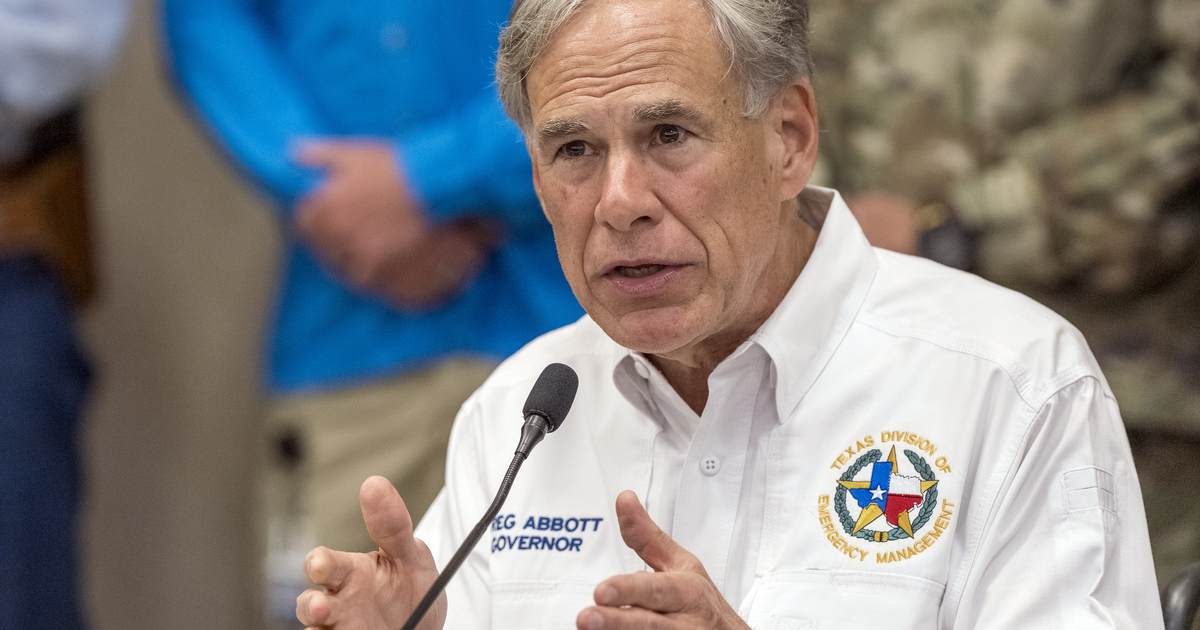
Gov. Greg Abbott stepped in and ordered a review of state grants that support airports operating inside Texas, arguing that taxpayer-funded airports must remain neutral when it comes to religion. Abbott made his position plain on X in a sequence of posts that emphasized constitutional limits on government favoritism. Those posts were the catalyst for DFW to step back and reassess the plan under public pressure.
Abbott posted on X.
“Government-owned airports cannot favor one religion over all others.
DFW plans to install Islamic wudu washing facilities are illegal. I’ve directed a review of all state grants to both airports for possible revocation, and referred DFW & IAH to USDOT for investigation.”
That public intervention also included a referral to federal authorities, with Abbott saying he sent both DFW and George Bush Intercontinental Airport in Houston to the Department of Transportation for review. The governor framed the issue as a simple constitutional question about equal treatment and the proper role of government in spaces open to all citizens. With the state closely watching grant funds, airport authorities felt the political and legal pressure to halt the plan.
“That is illegal. Both airports are government-owned facilities.3 Both the federal and state constitutions prohibit government from facilitating this sort of discrimination. Just as the government cannot favor the secular over the sacred, it also cannot favor one religious view of the sacred over all others in our “pluralistic society.”
DFW officials said the project had been an internal proposal under review but had not moved to final approval, stressing that any new project is evaluated against operational benefits, customer service impacts, risks and costs. “DFW was in the process of evaluating an internal proposal to add a set of ablution washing stations on the pre-security side of Terminal D, the international terminal. Like all proposed projects, the airport ultimately considers the operational benefits, customer service impacts, operational risks and costs before approving them,” the airport told Fox News. That statement underlines the procedural side, but it did not remove the constitutional question raised by state leaders.
Beyond the legal argument, this episode raised straightforward concerns about using public facilities in ways that single out a religious practice. Many conservatives view government neutrality as non-negotiable, and they argue that allowing state-run venues to provide dedicated religious accommodations crosses a bright line. Questions also surfaced about precedent: if an airport starts building facilities for one faith, what stops demands for similar, taxpayer-funded accommodations for others?
Taxpayer scrutiny played a big role in the conversation. Airports operate on a mix of federal, state and local support, and decisions about capital projects often involve public dollars and public accountability. For officials who want to protect taxpayer interests, ensuring that grant money does not support projects that could be viewed as favoring a single faith is a logical step. That concern helped push the review of grants and the decision to shelve the proposal.
The back-and-forth also highlighted the political speed at which state leaders can act when they believe constitutional lines are at risk. Abbott’s intervention was explicit and immediate, and it forced a public reckoning over airport policy. For those who prioritize limited government and equal treatment under the law, the governor’s move was a clear defense of principle over accommodation that some felt amounted to government endorsement of religion.
https://x.com/GregAbbott_TX/status/2088434683793002512
Public debate over this kind of issue tends to be loud and fast, and the DFW decision shows how quick pressure and legal arguments can reshape agency plans. Airport administrators now face the task of balancing customer service needs with constitutional constraints and taxpayer expectations. The episode will likely be cited in future disputes about what kinds of religious accommodations are appropriate in government-run spaces, and how far agencies can go without crossing legal or political lines.
DFW Airport Authority Letter FINAL