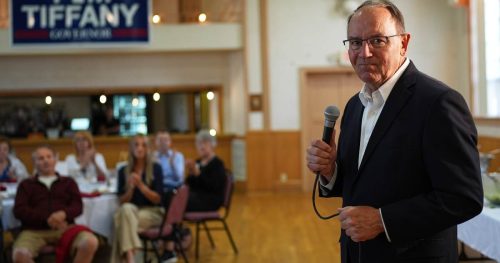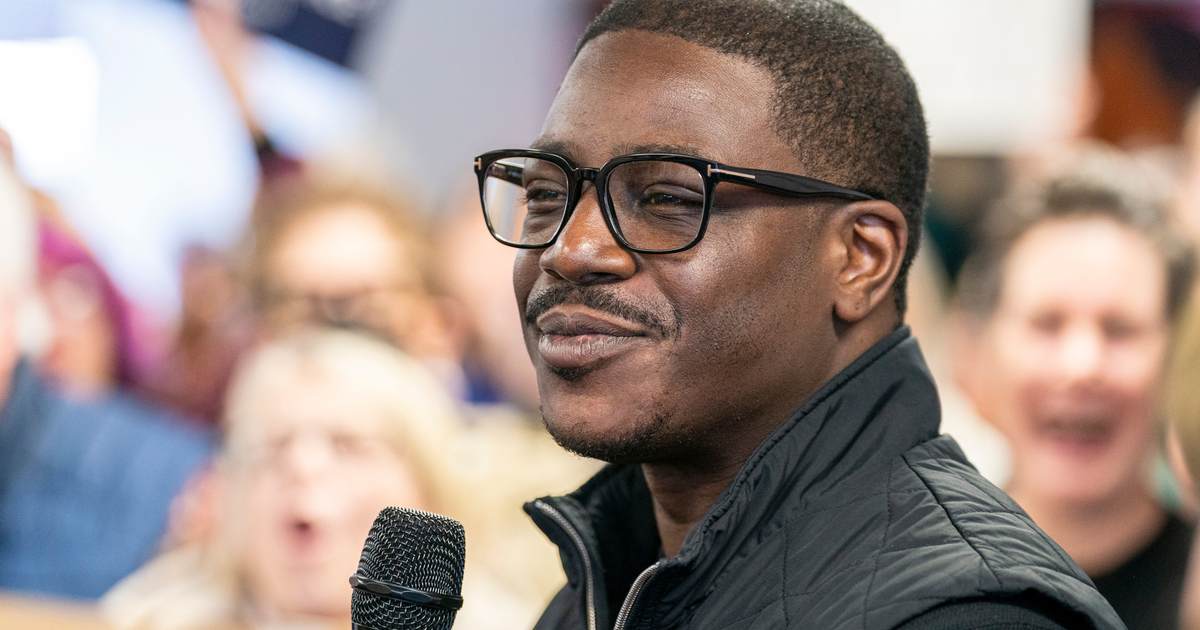
David Crowley squeaked past a far-left primary rival by 3,211 votes and now faces a Republican challenger in the general election, but his record on law enforcement, county management, taxes, and data centers leaves him exposed and vulnerable to a focused GOP campaign.
Francesca Hong, the democratic socialist candidate, lost the Democratic primary to David Crowley by 3,211 votes, handing him the nomination and a matchup with Republican Tom Tiffany. On paper Crowley sounds measured, but his résumé and policy history give conservatives plenty to attack. Voters will be weighing competence and consequences, not labels, and Crowley’s past decisions are easy to translate into clear, damaging messages.
Hong ran to Crowley’s left and drew attention to how extreme some Democrats have become, which made her an easy target for Republicans during the primary. She was, by all accounts, “carpet-bombed by the GOP” with opposition research and ads that aimed to pin her left-wing identity on the general electorate. Still, the voters rejected the farther-left option and turned to Crowley as the safer choice — at least for now.
Crowley’s record offers real vulnerabilities. He has previously advocated for abolition of the police, a stance that unsettles swing voters who prioritize safety and order. As Milwaukee County commissioner he also presided over a healthcare operation that critics say he failed to manage effectively, and those practical failures are easy to frame as a lack of executive competence.
https://x.com/EBrooksUncut/status/2087559786816536714
On fiscal policy Crowley is squarely in the tax-and-spend camp, supporting tax increases across multiple fronts that will be framed as a burden on families and small businesses. Those positions make it straightforward for a Republican challenger to argue that his priorities are out of step with voters who want lower taxes and prudent budgets. The contrast on fiscal responsibility will be central to any GOP message.
Data centers have become a flashpoint in Wisconsin politics, and Crowley’s position shifted under pressure. For months he favored unfettered expansion of data centers in the state and pushed for capturing economic benefits from them, we must “look at the possible opportunity of us getting a piece of it.” That stance put him at odds with residents worried about land use, local infrastructure, and community impact.
Hong used the data center debate to reach across typical partisan lines, even getting three-time Trump voters to listen and, in some cases, support her because of her moratorium position. Those crossover voters suggest there is an issue-based path for Republicans to peel off Democrats who care about quality of life and local control. Once Crowley’s polling showed cracks, he began to moderate his public comments, which only confirms vulnerability.
The internal numbers that prompted Crowley’s pivot are the same ones a savvy Republican campaign will exploit: when voters see specific local impacts, ideological labels matter less than pocketbook and neighborhood effects. Crowley may have the nomination, but the shift in his rhetoric signals a campaign in reaction mode rather than one setting the agenda. Reaction lends itself to attack lines and rapid messaging from the right.
From a Republican perspective the playbook is clear: emphasize Crowley’s record on law enforcement, scrutinize his county management history, and tie his tax positions to practical outcomes for families. Keep the argument concrete and local; national abstractions don’t move swing voters the way stories about mismanagement and new taxes do. A focused effort can convert those vulnerabilities into tangible advantages on Election Day.
Political operatives should also spotlight the data center issue as proof Crowley is willing to flip when polls move, undermining claims of principle and steady leadership. That narrative paints him as politically opportunistic and out of touch with communities that face the consequences of development decisions. It’s a simple frame that resonates where residents are already skeptical.
The Democratic nomination gives Crowley a platform, but platforms are fragile when they rest on fuzzy competence and shifting positions. Republican campaigns will press the contrast on governance, taxes, and local impacts to make the choice in November stark and personal. Expect the race to be fought on details voters understand and care about rather than rhetoric alone.