President Donald Trump has again raised the idea of federalizing Washington, D.C., after the June primary victory of Democratic socialist Janeese Lewis George, arguing federal control would protect businesses and public safety while opponents call it an attack on local democracy.
President Trump publicly weighed ending Home Rule for the capital after Lewis George won the June mayoral primary, a result Democrats worry signals a further left shift in city leadership. The president framed the idea around public safety and economic stability, saying the federal government had already made the city safer. Conservatives see federal action as a legitimate tool when local leadership drifts sharply left and threatens commerce and order.
Janeese Lewis George’s primary victory set off sharp reactions on both sides. Her backers hail her as a progressive who will fight entrenched interests, while critics worry her label of democratic socialist signals radical policies that could unsettle businesses. The political clash turns on whether the federal government should step in when a city’s voters pick officials whose agenda federal leaders view as harmful.
Trump spoke about the idea in the Oval Office while meeting two California lifeguards, and he did not hold back his assessment of the new mayoral front-runner. “We have, as you know, a very radically left person elected mayor. Well, I haven’t met her. I’m sure she’s very nice,” he said, then added, “But very, very, very radical left. And we would have to federalize D.C., you know, we’ve made D.C. great. When I got here, it was a very dangerous capital.”
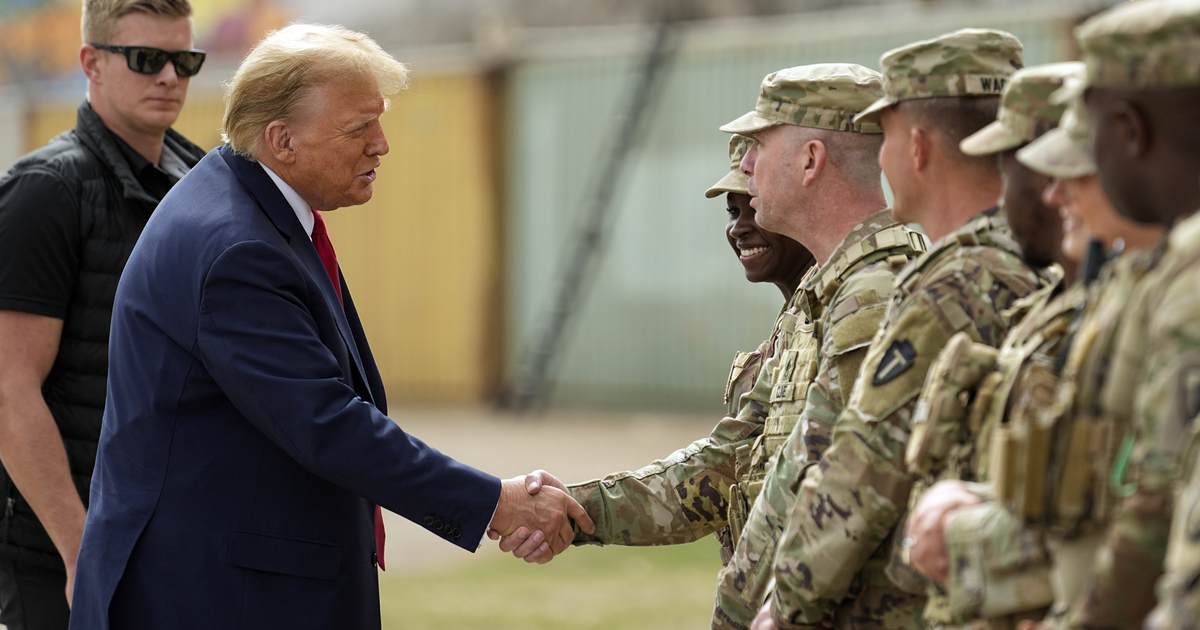
This is not a fresh thought for the administration; federal law enforcement surged into the district last August with the stated goal of cutting crime, and National Guard troops have been part of the security posture. Officials expect National Guard presence to remain through the end of the administration, underscoring that Washington’s security is already tied to federal resources. For Republicans, federal involvement is a practical response when local officials appear unwilling or unable to protect residents and commerce.
Trump also framed the issue in blunt political terms, arguing federal control would prevent the loss of businesses and a rollback of gains made under his watch. “Well, I wouldn’t like it. And maybe we take back Washington and run it on a federal basis. We won’t put up with it. We’re not gonna lose our businesses. By the way, Washington is now a safe, beautiful place,” he said in June. That line reflects the administration’s view that federal intervention can preserve safety and prosperity.
Opponents pushed back immediately, calling federalization a direct attack on the will of D.C. voters and on local democracy. “Threatening DC because you do not like how our residents vote is an attack on democracy itself. The people of DC elect the Mayor of DC. And they want someone who will stand up to Trump,” Lewis George posted in response to the remarks. Her statement frames the debate as one about democratic norms and self-governance.
At the same time, the Trump administration has maintained a cooperative relationship with the current mayor, signaling that federal action is not automatic or personal. “Wow! Mayor Muriel Bowser of D.C. has become very popular because she worked with me and my great people in bringing crime down to virtually nothing in D.C,” the president posted to Truth Social last September. That shows the administration can reward cooperation even as it warns against policies it views as dangerous.
https://x.com/RedWavePress/status/2089414487702982657
The policy option Trump floated — federalizing the District — would be dramatic and legally complex, because it directly challenges decades of Home Rule norms and local control. Republicans willing to support it argue the Constitution and federal authority allow intervention when national interests and capital security are at stake. Democrats and local leaders counter that it would set a dangerous precedent of punishing a city for its political choices.
For conservative voters, the debate boils down to priorities: protecting public safety, preserving business presence, and preventing ideological policies that could disrupt services and security. Supporters of federal oversight frame it as safeguarding the capital and its institutions, while critics see it as an overreach that undermines local democracy. The fight over D.C.’s governance will test how far Washington will go to counter local political shifts it deems extreme.
Whatever comes next, the clash highlights deeper divisions over who should decide how the nation’s capital is run and what counts as a valid reason for federal intervention. The discussion is likely to intensify as the city prepares for its next mayoral transition and as national politics continues to influence local debates. Expect both sides to use the coming months to mobilize voters and make the constitutional and practical case for their positions.