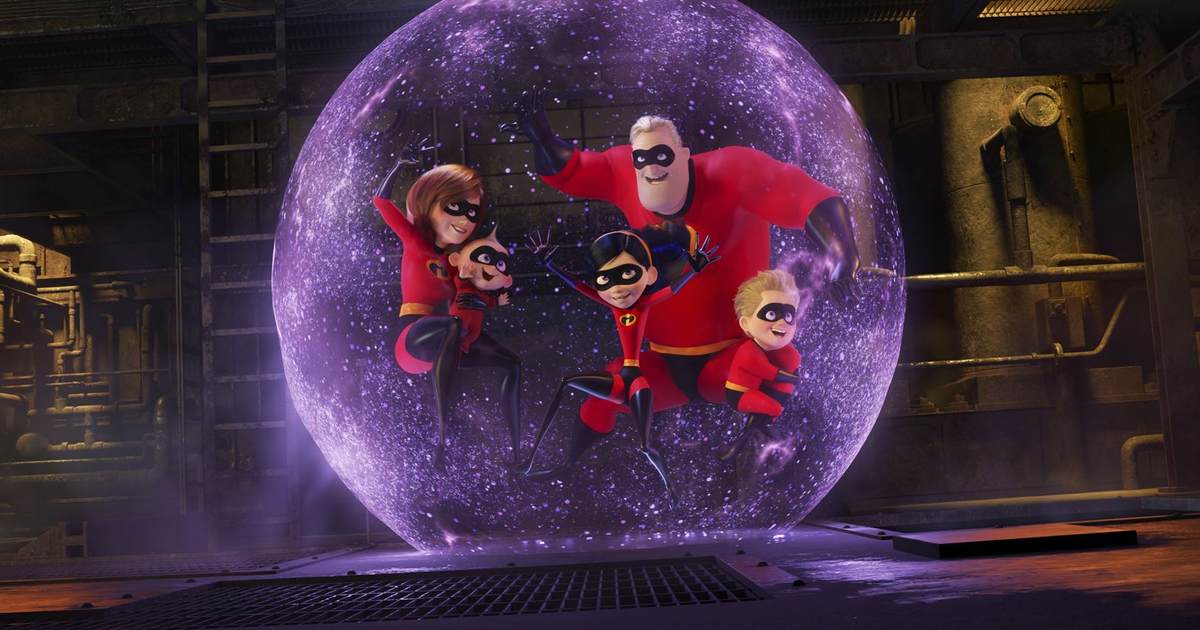
The piece argues that a once-simple, family-friendly superhero story has been shifted by Hollywood into a vehicle that blurs the line between right and wrong and pushes political messages into children’s entertainment.
When “The Incredibles” arrived in 2004 it felt like a playful, smart take on the superhero family that respected the idea that heroes protect people, not perform for praise. Bob and Helen Parr — Mr. Incredible and Elastigirl — were driven underground after a lawsuit forced the government to put a stop to their work, and that setup gave the film real stakes without preaching. It became part of family culture for people like me: Halloween costumes, family photos, the kind of movie you rewatch with your kids and feel good about. That straightforward moral center is what made the story memorable.
The follow-up, “The Incredibles 2,” tried to update the formula for modern tastes and introduced new elements that weren’t terrible, but it also leaned into tropes that undercut its characters. Helen became the focal point while Bob was pushed into a bumbling, stay-at-home dad role, and the tone shifted toward irony rather than clear heroism. There were bright spots — good voice work and interesting new heroes — yet the balance had already started to tilt. That tilt is exactly what sets the table for the next installment.
Now a third “Incredibles” film is on the way and early reports suggest the children — Violet, Dash, and Jack-Jack — will be taught that not all superheroes are good. That premise flips the old script: instead of heroes standing as obvious moral anchors for kids, the story hints at moral ambiguity and even villain sympathy. For a franchise built on clear-cut heroism, that change feels deliberate, like a cultural nudge rather than a natural evolution.
Superheroes, by design, were supposed to be good. Villains were meant to be the bad guys, plain and simple, and that clarity helped kids learn right from wrong without a lecture. When film and TV begin to muddy those waters, it’s not subtle: it trains a generation to accept moral grayness as normal. That’s not progress; it’s reeducation through entertainment.
Hollywood has already given us a wave of origin stories that recast classic villains as sympathetic figures, and “Cruella,” the 2021 take on the “101 Dalmatians” antagonist, is a prime example. The original Cruella’s villainy was obvious and grotesque — she wanted to skin puppies for fashion — but the modern retelling rewrites motive and tries to manufacture empathy. That sort of revisionism asks audiences to forgive behavior that used to be disqualifying, because the story says trauma explains everything.
The Cruella reboot hinges on a trauma-backstory logic: dalmatians killed her mom when she was a child, therefore Cruella’s actions are framed as understandable. That logic doesn’t hold up and it’s dishonest storytelling. Turning monstrous acts into consequences of childhood sorrow cheapens responsibility and elevates victimhood into an excuse for harm. If that kind of narrative appeals to you, you’re likely comfortable with cultural trends that excuse wrongdoing in the name of context.
https://x.com/DiscussingFilm/status/2088458581666365660
These shifts aren’t confined to movies. In the real world, cases like Lindsay Clancy’s trial show how quickly public sympathy can be redirected, even after an admission of guilt. Women on social platforms are rallying, spinning narratives that recast perpetrators as victims and invent alternative culprits, and social media rewards viral outrage over sober judgment. That pattern mirrors what entertainment does when it repaints villains as complex but blameless figures.
Some defenders will say complexity is realistic and nuance is good for storytelling. But there’s a big difference between depth and moral equivocation in media aimed at kids. The original “Incredibles” accidentally captured a conservative sensibility: it respected personal responsibility and celebrated duty over spectacle. Since then, Disney has been nudged toward narratives that prioritize cultural messaging over character clarity, and you can see the results across big studio projects.
Children’s entertainment has always been a primary battleground for culture because it shapes instincts long before policy does. When stories stop teaching basic ethical distinctions and instead insist on questioning whether evil is really evil, they leave a lot to parental interpretation. That’s not neutral; it’s a choice about what values are normalized in the next generation.
It’s disappointing to watch a beloved franchise be repurposed to illustrate a point about modern mores instead of standing up for straightforward heroism. Changing the rules of the game mid-series so the moral ground shifts beneath the audience feels less like artistic growth and more like a political decision disguised as art. The result risks turning a family staple into another vehicle for cultural persuasion rather than a clear, enjoyable story.