CNN legal analyst Elie Honig tore into the credibility of the hush money case against President Trump, arguing the prosecution rests on shaky ground and an unreliable key witness. The piece walks through why Cohen’s statements and claims of coercion undermine the trial’s foundation and why prosecutors’ choices raise real questions. It suggests the conviction faces a strong chance of being reversed as appeals move forward.
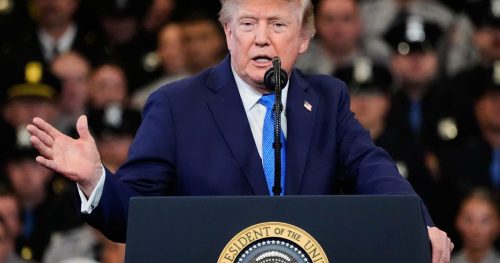
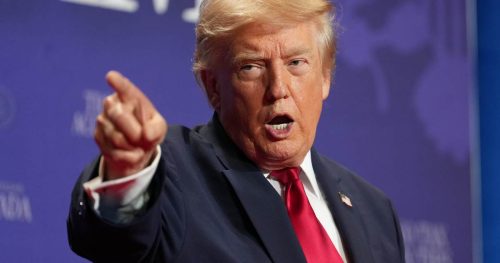
President Trump recently spoke about the hush money matter in an interview with Michael Cohen, who was the prosecution’s star witness. Trump framed Cohen as a tool used by the Justice Department to target him, and he made the point plainly and without apology. That narrative matters because the credibility of the government’s lead witness sits at the center of the whole case.
Michael Cohen himself has told a different story at times, and his shifting accounts have long been public. Cohen has also told reporters and interviewers that he felt intense pressure from federal authorities while cooperating. Those admissions feed straight into the argument that the case could be built on unreliable testimony.
Elie Honig, a CNN legal analyst, said the case has been hollowed out by these credibility problems. He made clear that if you doubt Cohen’s truthfulness, the prosecution’s whole theory collapses. From a legal standpoint, a conviction based largely on a witness viewed as coerced or inconsistent is vulnerable on appeal.
https://x.com/jesseyjay94/status/2090574088464978095
Prosecutors in Manhattan, led by Alvin Bragg, pursued the state case while the federal government declined to file charges. That split decision deserves attention because it reflects differing judgments about both the strength of the evidence and the appropriateness of prosecution. When the feds sit out and state actors take the risk, it invites a closer look at motives and strategy.
People who celebrated the indictment and conviction should be cautious now, because high-profile legal wins can evaporate when appeals put the record under a microscope. The appeals process exists exactly for instances when evidence or witness reliability is in doubt. In this situation, the legal path forward looks anything but secure for those who cheered the initial verdict.
The central factual episode involves efforts during the 2016 campaign to settle a dispute with adult film actor Stormy Daniels through a $130,000 payment. That payment and how it was recorded underlie the charges. The legal theory used by prosecutors relied heavily on how Cohen described those transactions and his own role.
Honig has been consistent in criticizing how the case was presented, calling aspects of the process a mess and arguing that the law was bent to match an outcome some wanted to see. His analysis is blunt: when the fact pattern depends on a witness with credibility problems, the law can and should be tested on appeal. That’s legal reality, not partisan spin.
There is also a practical political dimension to this fight. Prosecutors who proceed against a political opponent risk the appearance of partisanship, and that perception can erode public confidence in the justice system. For Republicans watching this play out, the concern is that legal tools are being used as political weapons more often than they should be.
The case against Trump is now in appellate hands, and each new claim of coercion or contradiction strengthens the defense’s position. The defense will argue that testimony from a pressured witness cannot support a reliable conviction. If appellate judges agree, the conviction could be tossed on procedural or evidentiary grounds.
Anyone interested in the rule of law should want durable, well-founded prosecutions rather than headline-grabbing charges built on uncertain testimony. The stakes are high because the outcome will influence how future politically charged prosecutions are viewed and handled. For voters and observers alike, this is about ensuring justice follows law, not the other way around.
Given the latest developments and Cohen’s own statements about feeling coerced, there is an even stronger case that the conviction will not survive appeal. What once looked like a headline-making endpoint now looks like the beginning of a legal unraveling. If appellate courts focus on witness reliability and proper charging decisions, the original verdict may not stand.