People noticed an unfortunate phrasing in a grocery promotion headline and the reaction was immediate, mixing humor with a reminder that word choice matters when talking about everyday costs like groceries and memberships.
The New York Post ran a story about groceries and the cost of living that drew attention mostly for its headline rather than its content. Groceries sit near the top of household concerns, so any angle on saving money gets quick interest. What happened here is a good example of how a single line can change the tone of an entire piece.
The rationale behind the story was straightforward: many families are looking for ways to cut expenses while shopping. Retail clubs that offer bulk pricing and membership discounts have been pitching value as grocery prices climbed. That context explains why promotions like the one from BJ’s keep getting mentioned in these conversations.
The actual membership offer itself is simple and measurable, and it was part of the original reporting. New members could obtain a one-year club membership at a steep discount off the regular rate, a price point designed to catch the eye. Those numbers are concrete and easy for readers to evaluate when deciding if bulk buying fits their household budget.
The headline though, the part that people kept quoting and reacting to, shifted the focus from the money-saving angle to a wording hiccup that invited jokes. People online piled on, because clever or awkward phrasing tends to spread fast. The reaction shows how social media can amplify a tiny editorial misstep into a broader conversation.
https://x.com/aelfred_D/status/2090800421908423002
There is a marketing lesson tucked into the noise: cleverness can help, but clarity matters more when you are advertising savings tied to family staples. Writers and editors aiming for a crowd need to balance punch with precision; a headline that confuses the intent can drown out the actual deal. This episode also highlights how quickly an otherwise routine consumer story can become a cultural footnote because of wording.
Below is the promotional text that circulated with the report, reproduced exactly as it appeared in the original quoted pitch, so readers can see the specific claims for themselves.
TL;DR: New members can get a one-year BJ’s Club Membership with Easy Renewal for $15 (reg. $60). Enjoy savings on groceries, household essentials, gas, and more.
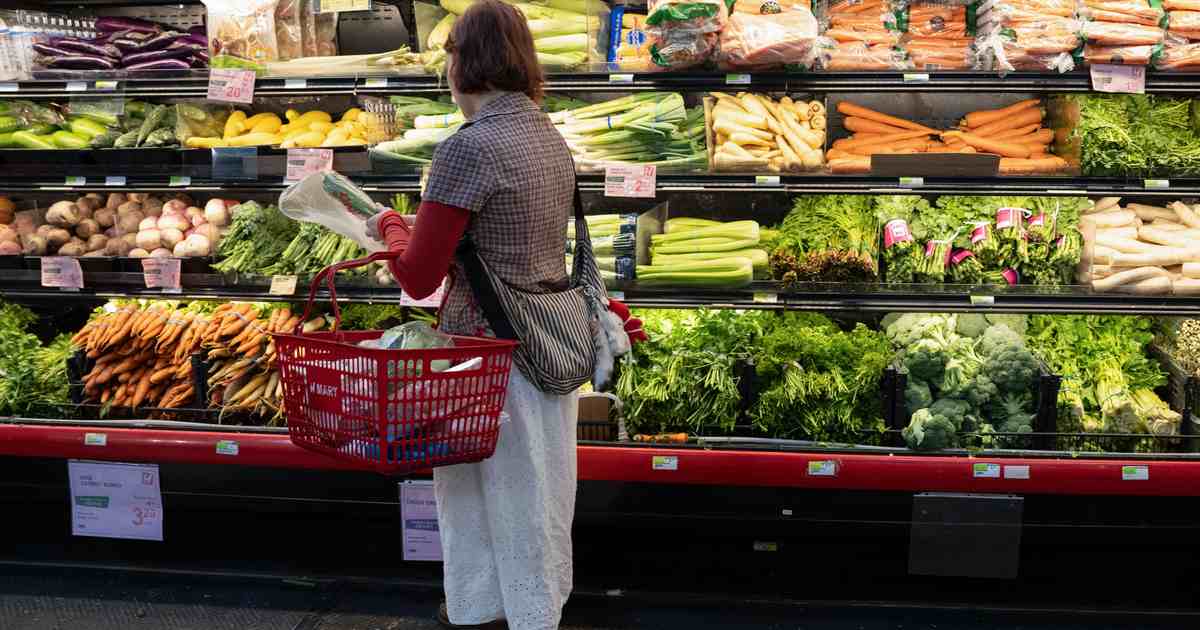
If your grocery bill has started to rival your utility bill, if not exceed it, then buying in bulk might be worth another look. A one-year BJ’s Club Membership gives new members access to savings on groceries, household essentials, gas, and more for $15 (reg. $60).
A membership lets you enjoy exclusive BJ’s prices on everything from fresh food and pantry staples to cleaning supplies, electronics, and seasonal buys, with the retailer advertising savings of up to 25% off grocery store prices. And if your household goes through cereal, snacks, paper towels, detergent, and seemingly a million other things every week, having the option to stock up can mean fewer emergency grocery runs.
For anyone tracking media trends, this is a tidy case study in how framing and phrasing can hijack a story. The deal itself is easy to parse: cheaper membership for potential savings. The viral element is about language, timing, and the tendency of readers to latch onto the funny or odd rather than the practical.
People who spend time on copy and headlines will find this example familiar and useful, and casual readers get a moment of levity about a topic that affects monthly budgets. That balance between a useful consumer tip and an accidental punchline is why the clip continues to get attention. Yeah, I was distracted by the headline.