A quick look at a bruising intra-party fight, a surprising primary upset, and why Florida Democrats look disorganized and vulnerable right now.
Angie Nixon pulled off an upset on primary night, beating Alex Vindman by a 56 to 44 margin despite having a much smaller war chest. Nixon is a state representative who describes herself as a democratic socialist, and her win surprised many who expected Vindman’s money advantage to carry the day. The result put a spotlight on the direction of Florida Democrats and the tensions inside the party.
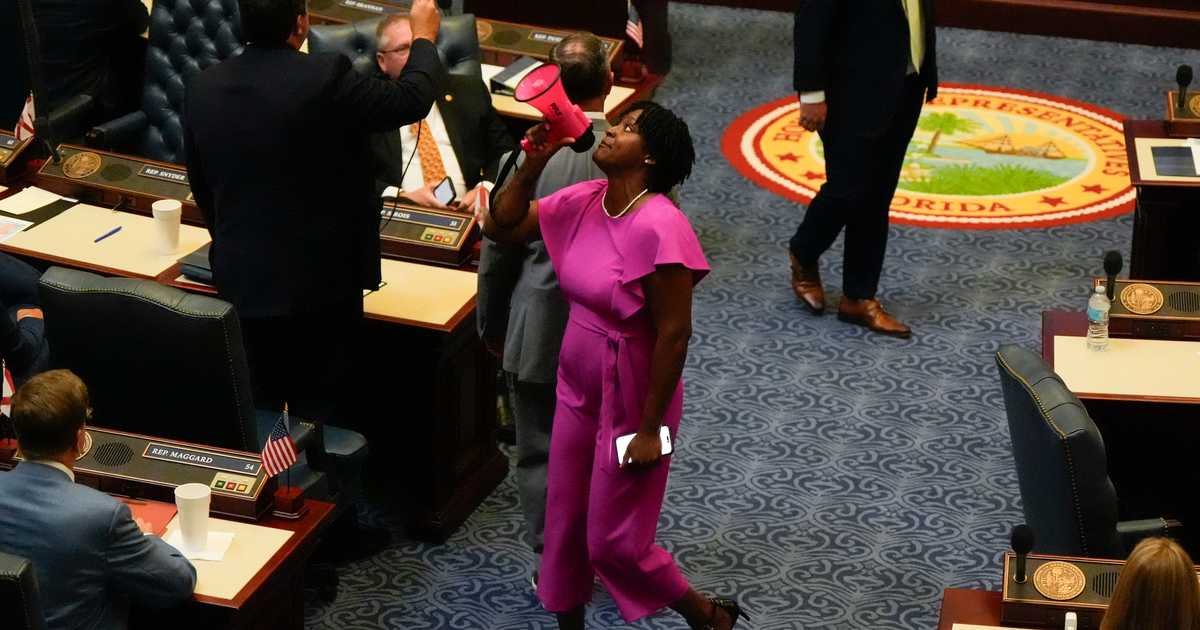
Nixon is already known for dramatic moments: a public meltdown on the statehouse floor over redistricting maps and an arrest after staging a sit-in at the governor’s office. Those incidents reinforced her hard-left reputation and made her an easy target for critics who say she plays to spectacle. In a state that has been shifting toward Republicans, those headlines carry real political consequences.
Now Nixon has run into institutional friction with party leadership, specifically Florida Democratic Party Chair Nikki Fried. A phone call this week between the two was described by multiple sources as chaotic, and accounts differ about who raised their voice. Those conflicting stories make the dispute look messy and suggest the party lacks a coherent strategy for managing its own rising figures.
There’s a basic political reality here: a hard-left, socialist-friendly campaign is a tough sell in Florida’s current environment. The state has moved to the right in recent cycles, and GOP messaging about electability and radicalism lands with many voters. Party leaders worry that letting a nationalized, far-left profile dominate will cost them competitiveness across statewide races.
The friction goes beyond policy into personality and politics. Fried reportedly dislikes that Nixon beat Vindman, and sources say old resentments and mistrust color their interactions. That mix of ideological clash and personal tension makes it harder for Democrats to present a united front heading into the fall when unity and discipline matter most.
According to two people who spoke with Nixon, both she and Fried yelled at each other over the course of the call. Another person who spoke to Fried said the chair did not yell but was yelled at.
“Nikki wants her to back away from DSA, from socialism,” said one person who spoke with Nixon. “She’s listening to other people saying that they’re afraid, they’re scared — the Jewish members and the Hispanic caucus. But to Angie, Nikki doesn’t want Angie to be who Angie is. Angie has already done the backing-away.”
On the call, Nixon told Fried, “You never gave a care about me from the beginning, and now you’re telling me how to run my campaign?” according to the source.
At one point, the source said, Nixon yelled, “stop gaslighting me!”
The other side: A Florida Democratic Party official disputed that Fried yelled at Nixon.
The official also said that the state party tried multiple times to contact Nixon’s team about the coordinated campaign, but often haven’t had their calls returned.
But, the person added, Nixon’s field team did participate in a call with the party’s coordinated campaign this week.
[…]
Between the lines: A second person who talked to Nixon described the feud as “a clash of ideology — but it’s also a clash of personalities.”
“Nikki needs to be careful,” the person added. “She can’t afford to be seen by black voters disrespecting a black woman.”
Another Florida Democratic official with knowledge of the dispute said Nixon and Fried have never been friendly and that Fried “was very disappointed that Angie won. She made that pretty well known.”
Before the election, the source said, Fried was predicting Nixon would lose and was “calling around telling people, ‘Hey, can you make sure when he wins that Angie is nice and welcoming and does all the things to bring everybody together?'”
“I know Nikki doesn’t like it, but Angie is the engine right now. Angie is the national story, and Nikki just can’t stand it.”
Beyond the Fried-Nixon fight, Nixon has had an odd rapport with David Jolly, the former Republican congressman now running as the Democratic gubernatorial candidate. Jolly has publicly distanced himself from socialist rhetoric, and his uneasy alliance with figures like Nixon could be short-lived if ideological pressure grows. That dynamic raises questions about coherence in the top tier of the state Democratic ticket.
Florida Democrats appear to be squandering opportunities by allowing internal feuds and radical branding to steer the narrative. A competitive statewide showing would require serious coordination, messaging discipline, and a willingness to avoid nationalized, polarizing fights that alienate swing voters. Right now the party looks distracted and divided instead of focused on closing margins in tight races.
The practical consequence is simple: infighting and ideological battles hand Republicans an advantage in the fall. When the opposition is this fragmented and publicly at odds, voters who want steady governance and market-friendly policies are likely to move toward Republican candidates. That trend increases the chance of GOP sweeps in the statewide contests.
Politics can be messy, and parties often survive internal storms. But for Florida Democrats the timing is terrible: a hotly contested electoral environment requires unity, not televised quarrels. The rest of the cycle will test whether they can rein in the theatrics and present candidates who can actually win in a red-leaning state.