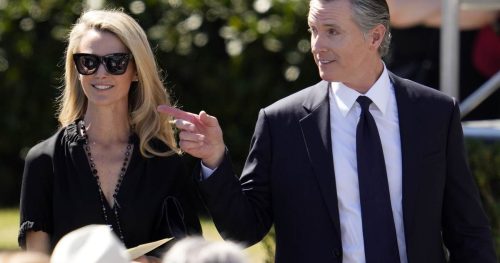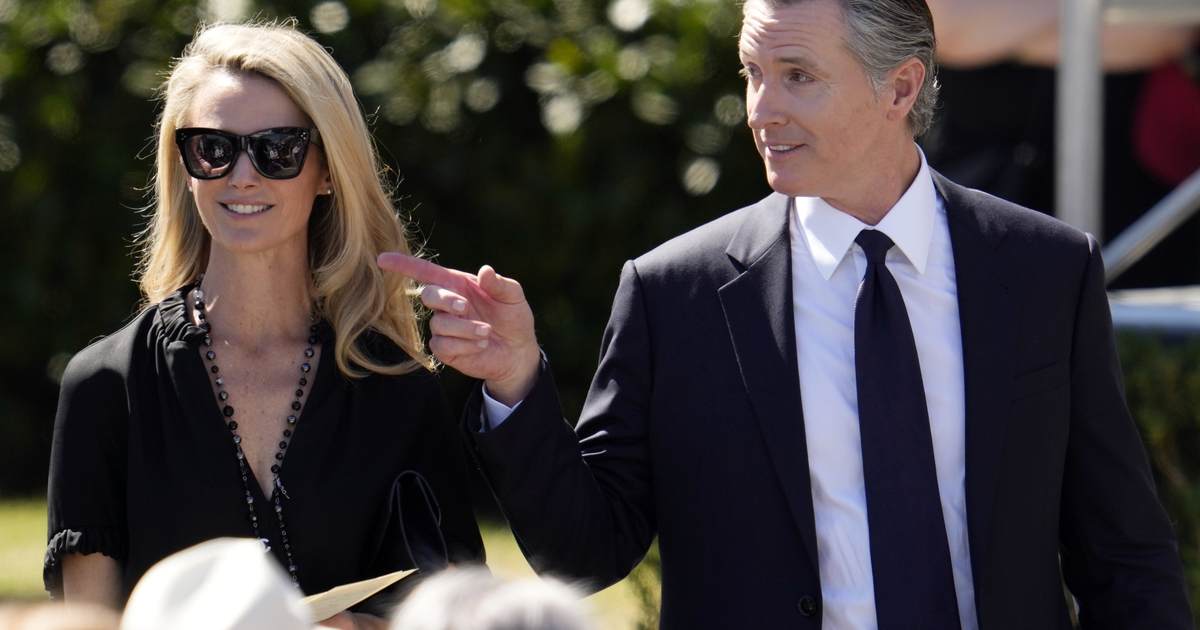
Gavin Newsom has signed what supporters call the “Stop Nick Shirley Act,” a new California law that changes how non-profit information can be shared and limits when people can record or photograph employees and volunteers.
Gov. Gavin Newsom signed the measure into law after a heated public fight over citizen investigations and how much access watchdogs should have. The law is now on the books and already sparking debate about who wins when government puts limits on exposure of suspicious activity.
The text of the law restricts publication of certain non-profit information and bars recordings and taking pictures of private employees and volunteers in many contexts. Supporters say it protects vulnerable people and prevents harassment, but critics argue it creates legal cover for bad actors. On the ground, the new rules change the incentives for ordinary citizens who try to document fraud or abuse.
Originally the bill would have criminalized the kind of work citizen journalist Nick Shirley has done, work that unearthed fraud schemes in Minnesota and California. Those investigations relied on field reporting, documents and sometimes footage that exposed questionable practices, and the proposed penalties would have chilled that kind of digging. The press account even posted an AI-generated meme depicting Shirley as a creepy man attempting to break into daycares.
https://x.com/SenStricklandCA/status/2091389975073816640
Faced with broad backlash, lawmakers added carve-outs for credentialed journalists, a fix that narrowed the original scope but did not erase the basic tension. The exception acknowledges that traditional press activity is protected, yet it still leaves independent investigators and volunteers in a gray zone. That distinction raises hard questions about who counts as a journalist in an era of independent reporting.
For Republicans and many conservatives, the law looks like an overreach that sides with institutions rather than citizens who blow the whistle. This is about more than one investigator or one case; it is about whether governments will shield organizations from scrutiny. When policy tilts toward protecting groups instead of exposing fraud, voters notice and voters remember.
Shirley has criticized the passage of the bill, saying the state “would rather protect fraudsters over law-abiding taxpayers.” His reaction captures the anger a lot of people feel when corrective reporting is limited by law. That line of thinking fuels concern that the balance between privacy and accountability has shifted in the wrong direction.
The law also poses enforcement questions: who decides when a recording crosses the line, and how will authorities apply vague limits without inviting selective enforcement. Those uncertainties create a chilling effect that can stop people from reporting problems before they grow. Courts may end up sorting out some of the mess, but that takes time and money ordinary citizens often lack.
One clear outcome is that watchdog work will change. Investigative projects will need legal reviews, more formal affiliations, or partnerships with established newsrooms to avoid exposure to penalties. That reshaping of investigative culture risks narrowing who gets to hold power accountable and makes independent scrutiny more expensive and less nimble.
The political fallout will play out at the ballot box and in future legislative fights. For now the law is in place and people on both sides are regrouping. Whatever comes next, this episode underscores a bigger question: when public officials rewrite the rules around scrutiny, who benefits and who pays the price?