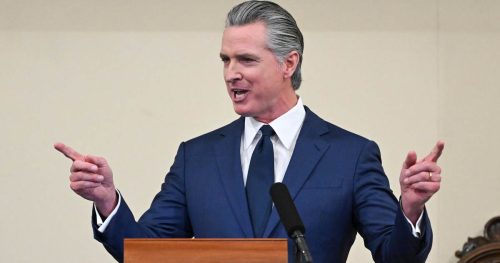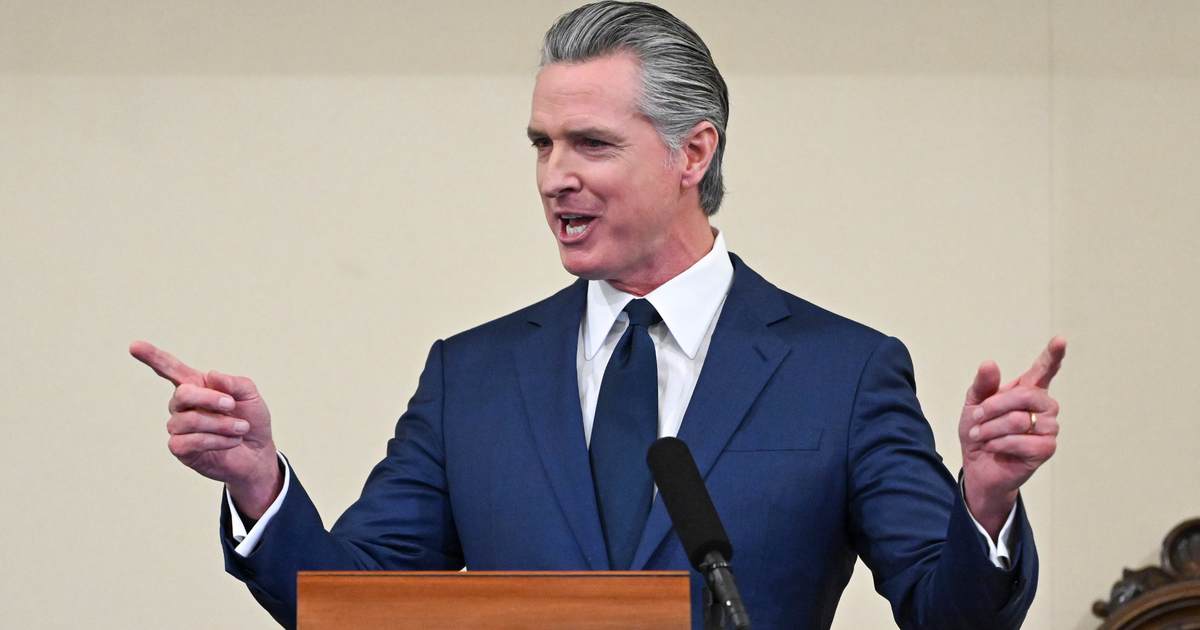
This piece argues that Gov. Gavin Newsom’s claim to have erased California’s budget deficit is misleading, explains how his final budget relies on temporary fixes and new taxes, and points out the long-term fiscal gaps and policy failures tied to his tenure.
Democrats are trying to polish Gavin Newsom for a national run by selling the idea that he solved California’s budget problems. From a Republican perspective, that narrative is a PR play, not a record of sound fiscal stewardship. The reality behind the headlines shows a patchwork of one-time moves, delayed payments, and tax shifts that mask deeper trouble.
Newsom’s last budget leans heavily on windfalls and short-term accounting maneuvers to balance the books. Officials quietly relied on faster-than-expected tax revenue tied to the artificial intelligence boom, while postponing or suspending payments and cuts that will hit later. That kind of budgeting kicks costs down the road and hands the problem to the next governor.
https://x.com/DemzDeliver/status/2091346570855756059
The budget gap has not been erased; it’s been rebranded. Instead of structural fixes, the plan uses temporary revenue and new taxes to paper over recurring obligations, which is a classic bait-and-switch for voters. Conservatives should call this what it is: a tactic to dress up a fragile fiscal picture for political gain.
But in striking that balance, Newsom’s final budget leaves long-term funding problems to his successor to solve.
The state faced a steep funding cliff in January amid ballooning costs of Medi-Cal, the state’s healthcare program for low-income Californians, and the threat of losing tens of billions of federal dollars under President Donald Trump’s budget bill.
But since then, tax revenue has grown faster than expected, thanks to the artificial intelligence-driven economic boom. The final budget agreement largely relies on that windfall and new taxes Newsom has championed, along with delayed healthcare cuts and suspended payments to K-12 schools and state reserves to balance the books and slash future deficits.
The Newsom-backed tax measures, which the Legislature approved earlier this month, will apply a sales tax to everyday computer software, cap business tax credits and raise the tax rate on commercial healthcare providers.
The budget deal also requires the next governor to consider penalizing big corporations for having employees on Medi-Cal — an idea from Senate Democrats — unless Congress repeals Trump’s Medi-Cal cuts before then. Sen. María Elena Durazo, a Los Angeles Democrat and a member of the legislative Latino caucus, said the plan does not go far enough to discipline companies that pay low wages.
The plain numbers are stark: the state will have a $9 billion deficit for fiscal year 2028-2029, and at least $10 billion in annual operating deficits from 2026 to 2030 once Newsom’s one-time fixes end. Analysts warn those shortfalls are driven by long-term Medi-Cal costs, rising entitlement spending, and deferred obligations. That math does not disappear because you reassign payments or call new levies “reform.”
They are deliberately lying. It’s the best they have. It’s embarrassing.
California Democrats seem to assume voters won’t connect the dots between political messaging and real outcomes. The state has experienced rising crime rates, a worsening homelessness crisis, and a long-running failure on high-speed rail that became a national punchline. On top of policy failures, the administration has faced corruption questions, tax fights, and scandal over state contracts tied to programs like the Baby 2 Baby diaper scheme.
All of this comes as Democrats try to prime Newsom for 2028, recasting shaky stewardship as competence. From a conservative viewpoint, voters deserve to see the full ledger: one-time revenue tricks, suspended obligations, and new levies that squeeze businesses and families. Those are not the marks of fiscal discipline that would reassure a country about national leadership.
Instead of celebration, sensible critics should press for durable reforms: clear plans to control entitlement growth, honest accounting that doesn’t hide recurring costs, and policies that restore public safety and economic freedom. California’s fiscal saga under Newsom is a reminder that temporary fixes and political spin can’t substitute for real responsibility.