The piece covers President Trump’s proposal to rename Lake Ontario amid a sharp trade dispute with Canada, the Canadian provincial response threatening resource cuts, and the tariffs and heated rhetoric driving the confrontation.
President Donald Trump announced a provocative proposal to rename Lake Ontario to Lake America, tying the idea directly to a worsening trade standoff with Canada. He posted the statement on Truth Social, framing the move as a response to damaged trade relations and a shift in U.S. policy toward Ontario. The remark landed in the middle of escalating tariffs and threats between Washington and Canadian provincial leaders. It’s a symbolic step that reflects sharper economic pressure rather than a simple naming debate.
Trump’s post read, “The United States is giving serious consideration to changing the name of Lake Ontario to Lake America in that we don’t expect to doing much business with Ontario any longer,” Trump posted to Truth Social on Tuesday. The comment arrived after Ontario’s leadership signaled a tougher stance in response to U.S. measures, suggesting supply cuts that could affect energy and critical minerals. Those Canadian threats are being interpreted in Washington as retaliation that would hit U.S. industries and defense supply chains. The exchange has moved beyond tariffs and into questions of strategic leverage.
Ontario’s Premier warned of steps that could disrupt supplies, saying, “Up here, we’re at a fever pitch; everyone’s in for an economic war. They know they’re going to have to sacrifice,” Ford told the outlet. The statement captures how provincial officials are preparing to use resources and industry as bargaining chips, a real economic risk for states and regions that depend on cross-border trade. Markets and manufacturers on both sides are watching for immediate impacts to energy shipments and rare earth supplies that feed tech and defense sectors. The threat of resource restrictions adds a raw edge to an already tense trade picture.
Tariff actions have already begun to bite: some products face 50 percent duties, and the White House has announced a further 50 percent tariff slated for trucks, cars, and auto parts starting in 2027. Those steep levies are meant to force renegotiation or rebalancing of trade flows, but they also risk raising costs for American consumers and manufacturers. Auto supply chains are deeply integrated across the border, so higher duties could ripple through production and prices. The administration is betting higher costs will push negotiations, though opponents warn of blowback.
Trump’s response to provincial leadership was blunt and personal, mixing policy threats with sharp rhetoric about Canadian leaders and long-standing economic ties. He wrote, “Lots of ‘bluster’ from Doug Ford, who is the Premier of the Canadian Province of Ontario, but who is better known as the less charismatic, intelligent, and overall unimpressive brother of the late, great, Rob Ford. America has been carrying Canada for decades, but no longer!” The tone underscores the political theater around these disputes, where insults and policy moves blend into a score-settling narrative. That fusion can complicate diplomatic channels and prolong the standoff.
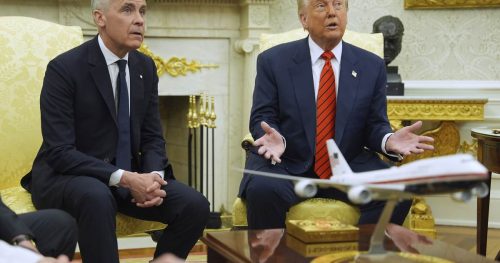
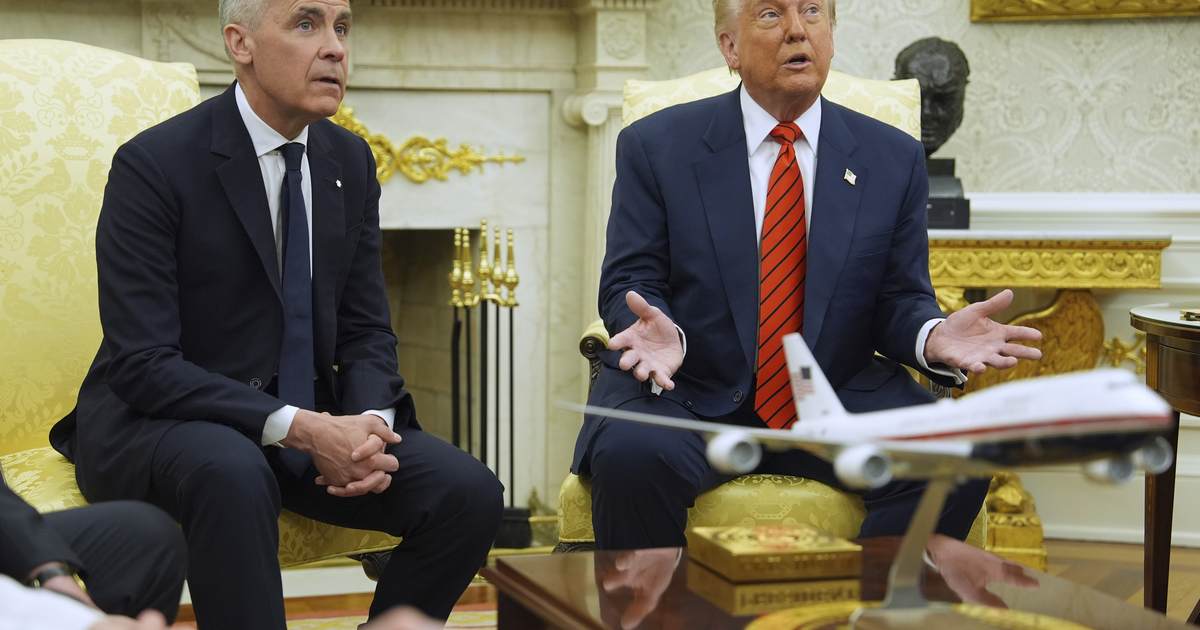
Beyond the insults, the administration is arguing that Canada’s economic dependence on the United States constrains Ottawa’s room to retaliate without self-harm. Trump further wrote, “Without the United States, Canada couldn’t survive — It’s where they get all of their money and, because of their current bad leadership, primarily Governor Carney, and his Flunky, Ford, they will not be allowed to keep taking advantage of the United States — Their key to survival,” he continued. Those words aim to emphasize leverage and to justify aggressive tariff posture as a corrective measure. Critics counter that mutual dependency calls for measured diplomacy, not escalation.
The dispute highlights how trade policy and national pride can collide, with governors and premiers leveraging local resources and national leaders using symbolic and concrete punishments. Industries that rely on cross-border supply chains are bracing for volatility, while political communications on both sides feed public perceptions of who is at fault. The coming months will determine whether tariffs and threats produce new deals, force painful economic adjustments, or simply harden positions. For now, the naming suggestion is a headline-grabbing illustration of a tougher U.S. stance on trade with Canada.