Hasan Piker’s recent onstage antics and commentary have stirred a political backlash, raising questions about whether his influence is becoming a liability for Democrats as critics point to provocative rhetoric, reactions from party figures, and shifting endorsements in key races.
At a San Francisco stop on the Fear & Live podcast tour, Hasan Piker drew attention by mocking Charlie Kirk in song, a moment that played well for his base but landed on the wrong side of a lot of voters and party operatives. He has every right to lampoon opponents, but there’s a real cost when a public figure’s tone feeds into a climate where heated rhetoric becomes normalized. From a Republican perspective, this pattern illustrates how the left’s own loudest voices can create political blowback that the party will have to manage.
Beyond the Kirk bit, what’s grabbed headlines are remarks suggesting Jewish voters would be harmed unless they condemned Israel, comments that broaden the controversy from crude comedy into risky political positioning. Those lines landed differently than a canned attack because they touch directly on identity, safety, and voting blocs that Democrats have long courted, and that collision matters in tight races. If a streamer’s rhetoric motivates donors and fans while alienating swing voters, the net effect could be costly for the party that embraces or excuses him.
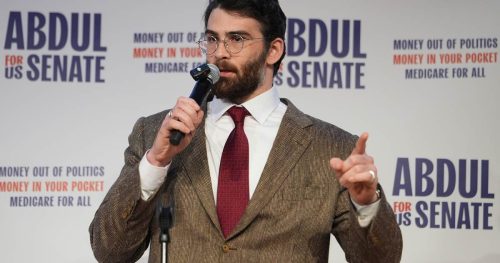
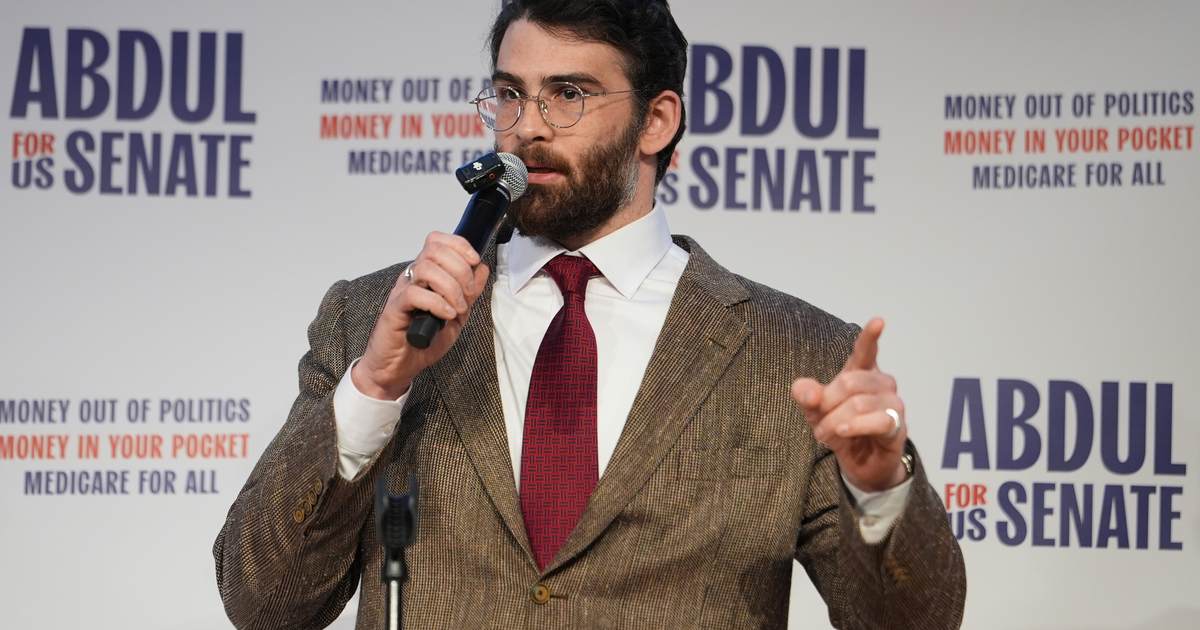
Politicians on the left haven’t been unanimous in support; higher-profile Democrats publicly pushed back, and that internal disagreement is worth noting because it signals discomfort at the top levels. The fallout showed up in Michigan, where a few Democrats crossed party lines to back Republican Mike Rogers instead of the Democrat Abdul El-Sayed, the candidate Piker openly endorsed, and those defections are the kind of immediate electoral consequences parties fear. When endorsements and loyalties start fraying over rhetoric, it suggests leaders are weighing ideology against electability in a very public way.
https://x.com/Awk20000/status/2091121121672466842
The broader dynamic is simple: a party that tolerates or elevates polarizing, sometimes reckless voices risks losing control of its message and its coalition, especially in competitive states. Voters who prioritize stability, security, and practical governance don’t respond well to theatrical provocation that appears to encourage division or assign guilt to entire communities. From a Republican viewpoint, this is a strategic opening — the left’s internal tensions can become campaign issues if the party frames them as evidence of chaos or poor judgment.
Hasan Piker is more than a pundit; he’s a content creator with a platform, a revenue stream, and a culture of engagement that rewards attention-grabbing moments, which complicates how Democrats can manage him. His shows and clips travel fast, and what plays as edgy entertainment among millennial viewers can look like incendiary rhetoric to older, undecided voters. That split in audience reaction makes it harder for party leaders to contain fallout without looking like they are censoring a popular entertainer.
For elected Democrats, the choice is uncomfortable but clear: either rein in the fringes and return to a disciplined message that appeals broadly, or keep embracing outspoken cultural figures and accept the electoral tradeoffs that come with it. The Michigan examples show that when rank-and-file members or influential donors get nervous, practical decisions — like crossing lines on endorsements — follow quickly and visibly. Republicans see that kind of infighting as proof that discipline matters and that chaotic messaging can cost seats.
What happens next will depend on whether national Democrats value short-term attention from activists more than long-term control of their coalition and message, and whether influencers like Piker adjust tone when endorsements and voter support start to slip. Party leaders who want to win will need to decide if they can tolerate high-drama personalities or if they must prioritize unity and broad appeal over culture-war theatrics. Either way, this episode underscores how a single influencer’s comments can ripple into real political consequences on both the campaign trail and inside party power corridors.