The Democratic Socialists of America are reshaping the Democrat Party, and conservative voices say the party’s leaders have only themselves to blame for empowering a radical faction they can no longer manage.
Victor Davis Hanson warned that establishment Democrats helped build a force inside their own ranks that now threatens to overwhelm the party’s traditional priorities. He uses stark imagery to describe how people in power created a movement that now pulls the party toward policies many voters find unworkable. Those inside tensions have real consequences for messaging, governance, and the party’s relationships with moderate voters.
Hanson pointed to House and Senate leadership as part of the problem, arguing that accommodation and short-term coalition-building opened the door to more extreme positions. He framed the growth of the Democratic Socialists of America as not just ideological but organizational, noting how the group leverages party infrastructure and branding. That dynamic, he suggested, leaves mainstream Democrats less able to defend a coherent, electable agenda.
“They were the Dr. Frankensteins, and they created this socialist Frankensteinian monster, and now it’s devouring them because they’re weak,” Hanson said. This line captures the central charge: leaders who thought they could manage radical allies now find those allies steering policy and priorities. For critics, it is a cautionary tale about political tradeoffs that come back to haunt their creators.
Hanson described the visible discomfort among party elders when confronted with the DSA’s demands, arguing that some leaders appear unable to respond with clarity or authority. He suggested that scripted responses and vague reassurances fail to address the structural conflict inside the party. That lack of forceful rebuttal, he says, empowers a faction that operates with distinct goals and priorities.
https://x.com/JasonJournoDC/status/2092040759562076288
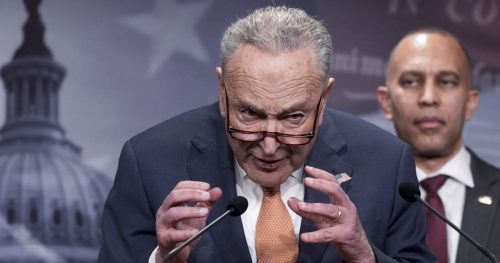
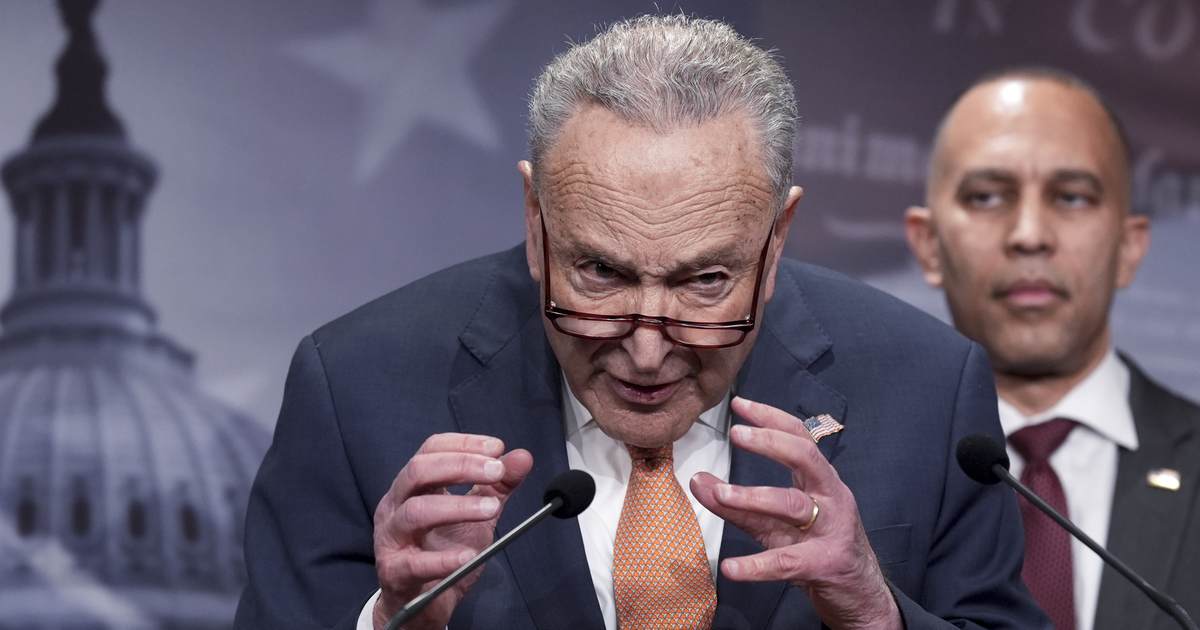
And when you look at Hakeem Jeffries, he’s like a deer in the headlights. His eyes start rolling. Well, do you think you have the, you think that you have the votes to pass? Yeah, of course we do. And why wouldn’t we? You know, it’s just gibberish. And when you hear Chuck Schumer, it’s just, he bends over, and he reads off this script. We’re going to work very hard, and we’re going to elect Democrats. Well, does that mean we’re going to work very hard, and we’re going to elect Democrats? Does that mean you’re going to work with these socialists, or are there some that you can’t be in the same state? We’re going to work very hard, and who, I mean, I mean that. So they’re old, fuddy-duddy, ossified, calcified hacks.
Beyond internal party theatrics, Hanson criticized the DSA-backed candidates for offering grand promises without practical funding plans. He argued their spending proposals, even when pitched as targeting only the wealthy, would inevitably affect middle-class tax burdens. That point turns the debate from slogans to the nuts and bolts of policy and fiscal responsibility.
“And these young people are arrogant, ignorant, somewhat charismatic. I mean, El-Sayed wears his little tight shirt. He works out, and AOC’s always trying to act like she’s this hot chick kind of look. And Mamdani was an ex-rapper, and he’s got that socialist fake smile. And then Hasan Piker is supposed to be hot for all the women,” Hanson said. Those sharp remarks aim to undercut the appeal of personalities and call attention to what critics see as style over substance.
Conservative observers say the rise of the DSA forces voters to choose: stick with a familiar party that increasingly tolerates radical elements, or push back and demand a different center. For Republicans, the internal strife on the left presents a political opportunity to highlight contrasts on economics, public safety, and foreign policy. The argument goes that a party split between establishment and radical wings is less effective at forming a unified platform.
It remains an open question whether the DSA will fully take over the Democratic coalition or whether centrists can regroup and reassert control. For now, the narrative Hanson and like-minded critics emphasize is straightforward: nurture a faction too long and it may grow beyond what you intended. Those are not just academic concerns but strategic calculations about what voters will accept at the ballot box.