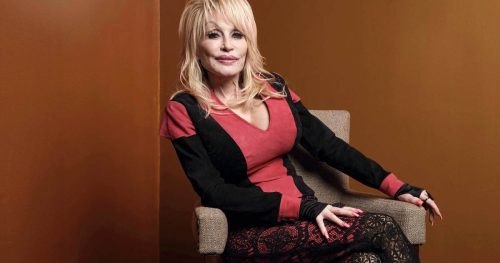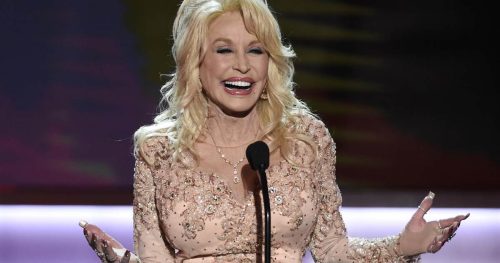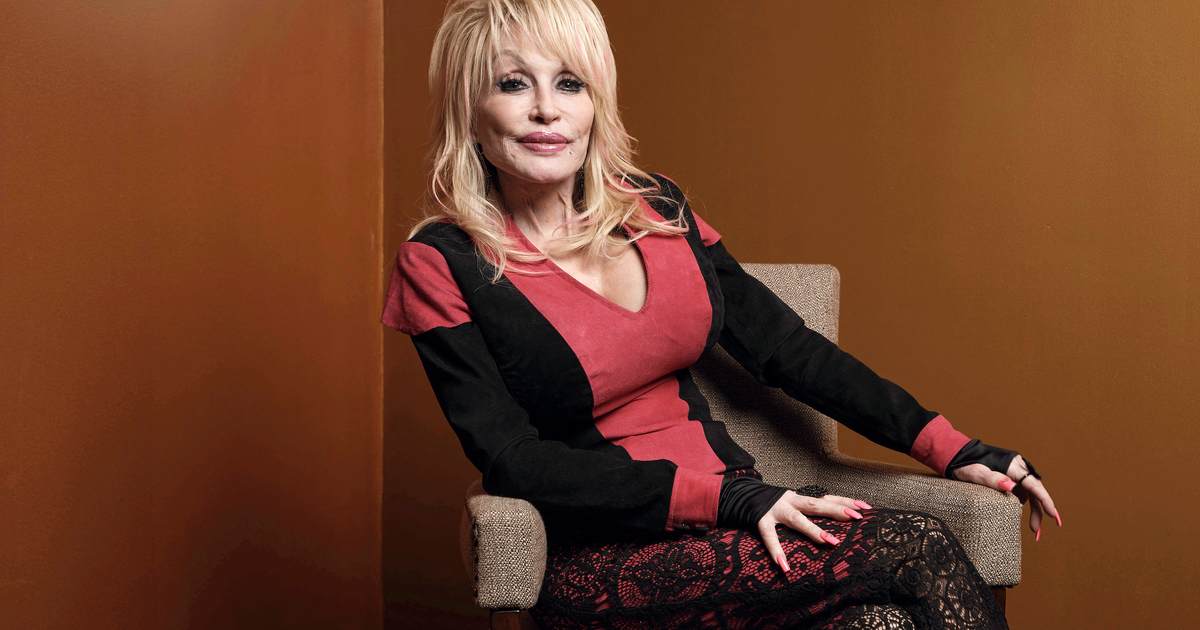
Dolly Parton, the singer and humanitarian known as the ‘Queen of Country,’ has died at 80, leaving a vast musical catalog, a high-profile philanthropic legacy, and a long list of awards and honors.
Dolly Parton died at the age of 80, a fact announced publicly by Bryan Seaver on her official X account. Seaver spoke for the family and helped the public understand the gravity of the moment in a brief statement posted alongside a video announcement. The news arrived August 25, 2026, and quickly spread across media and social feeds.
“This video announcement is something Dolly asked of me years ago, before I fully absorbed it as a future reality,” Seaver said. “As her head of security for more than two decades … I have imagined the heaviness of this moment, but haven’t truly felt it until now. It is an honor, an honor that is mixed with absolute pride and great sadness. But sadness lies with us, not with Dolly. Dolly has lived the life and is in the arms of Jesus, surely met by Carl, her parents, and countless others who have watched her and longed for her to meet them in the heavens.”
Parton was born in Pittman Center, Tennessee, in a one-room cabin and was the fourth of 12 children born to Robert Lee Parton and Avie Lee Caroline. Her father worked as a sharecropper, ran a small tobacco farm at one point, and did construction work, while her mother raised the large family and inspired Dolly’s musical leanings. She often credited her mother for her singing and her father for the business sense that guided her career decisions.
She began performing on local radio and television in East Tennessee and by age 13 recorded “Puppy Love” for Goldband Records, a small Louisiana label. Early exposure led to appearances at the Grand Ole Opry, where she crossed paths with country icons like Johnny Cash. Those youthful steps laid the groundwork for a songwriting and performing career that would span decades.
https://x.com/DollyParton/status/2092309743981228273
Songwriting provided Dolly with an early foothold in the industry; she signed with Combine Publishing and collaborated with her uncle Bill Owens, yielding hits such as Skeeter Davis’ “Fuel to the Flame.” In 1965 she signed with Monument Records, which pushed her toward pop material even as she wanted to record traditional country. Those tensions were part of a long arc that eventually allowed her to control her sound and broaden her audience.
In 1967 she joined The Porter Wagoner Show as a regular, a move that led RCA Victor to sign her and that produced a duet, “The Last Thing on My Mind,” which reached the country Top 10 in January 1968. The partnership with Wagoner launched a six-year streak of Top 10 singles for the duo and helped cement her place in country music. From that platform she built a solo career that steadily expanded beyond Nashville.
Her 1974 composition “I Will Always Love You,” written about her professional break with Wagoner, went to number one on the country chart and later became one of the most covered songs in popular music. Elvis Presley wanted to record a version, but Parton declined after being told by Colonel Tom Parker she would have to sign over half the publishing rights. The choice kept her control over a song that would endure across generations.
Between 1976 and 1986 Parton broadened her audience with a string of number one hits and crossover success that made her a household name beyond country circles. She also pursued acting roles and other ventures, keeping the momentum of a career that lasted into the 21st century. Even in the days before her death she said she still had more projects she wanted to pursue and had plans on the calendar.
In 1966 she married Carl Thomas Dean in Ringgold, Georgia, and the marriage lasted until his passing in March 2025; the couple had no children. Their long partnership was a private anchor for a public life that spanned music, film, and philanthropy. Dean’s death was mourned by many who saw him as a steady presence beside a luminous star.
Philanthropy was central to Parton’s legacy, most notably through the Dollywood Foundation and the Imagination Library, a program that mails a book monthly to participating children from birth until kindergarten. The program was created in honor of her father, who never learned to read, and has distributed more than 100 million books to date. She also supported HIV/AIDS charities, donated to a cancer center and hospital in Sevierville, and worked on conservation efforts like saving the bald eagle.
Parton appeared in films such as 9 to 5 and Steel Magnolias and accumulated a long list of honors: 11 Grammy Awards, three Emmy Awards, nominations for two Academy Awards, and the 2025 Jean Hersholt Humanitarian Award. Over her lifetime she amassed 384 nominations and 190 wins across awards bodies, reflecting success in music, film, and humanitarian circles. Her public record of achievement and giving remained a defining part of how she will be remembered.
She is survived by siblings Willadeene, Robert Lee, Stella Mae, Cassie Nan, Frieda Estelle and Rachel Ann, among extended family. Those names mark the personal side of a life lived in the spotlight and in service, and they are part of the immediate circle left to carry forward memories and family traditions. Public tributes and private remembrances began to pour in as fans and colleagues reflected on a long, influential life.