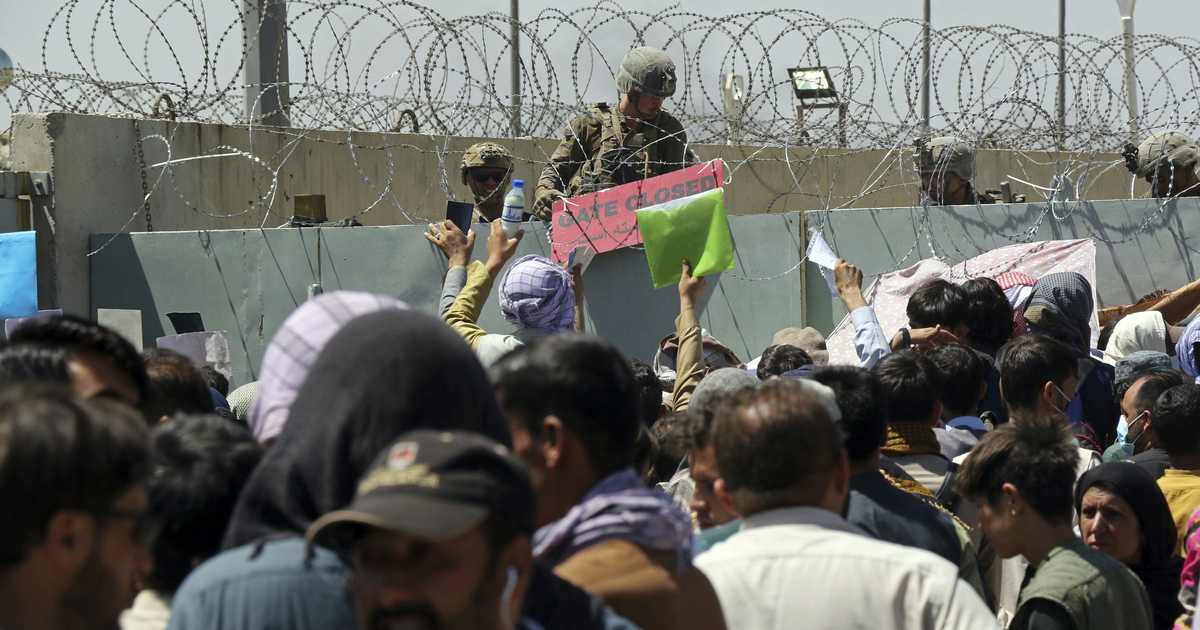
Five years after the Abbey Gate bombing left 13 U.S. service members dead, questions are resurfacing about the Biden administration’s Afghanistan withdrawal and the role a former National Security Council counterterrorism official now running for Congress played in those decisions.
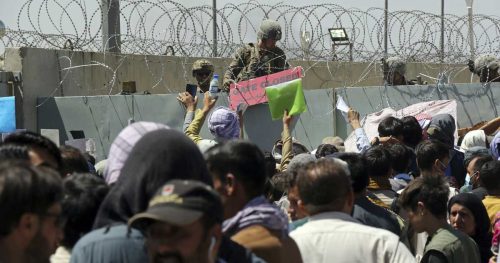
This Wednesday marks the fifth anniversary of the Abbey Gate suicide bombing in Afghanistan that killed 13 U.S. service members during the chaotic withdrawal of American forces. The attack exposed planning failures and left a bitter legacy for families and communities who expected better from Washington. Those mistakes are back in the spotlight because of who advised the administration at the time.
New York Democrat House candidate Cait Conley served as Director for Counterterrorism at the National Security Council during the withdrawal and has often highlighted her national security experience on the campaign trail. Her Republican opponent, incumbent Rep. Mike Lawler, has repeatedly criticized her for the role her office played in advising the withdrawal. The dispute even surfaced publicly during an October 2025 when Conley answered criticism tied to unrelated comments by a city official.
Conley has not publicly dissected or taken responsibility for how the withdrawal was handled, and that silence has become a campaign issue. Lawler and other critics argue that her reticence is not accidental but political. Voters are left to decide whether someone who advised a flawed operation is the right person to represent them on safety and security.
Faced with these circumstances, President Biden undertook a deliberate, intensive, rigorous, and inclusive decision-making process. His thinking was informed by extensive consultations with his national security team, including military leaders, as well as outside experts, Members of Congress, allies and partners. The President asked for and received candid advice from a wide array of experts inside of and outside of government. As Secretary Austin testified on September 28, 2021, “I am very much satisfied that we had a thorough policy review, and I believe that all of the parties had an opportunity to provide input. And that input was received.” Chairman Milley also testified on September 28, 2021, that the commanders on the ground “were listened to” and had an opportunity to share their advice.
Beyond political debate, the human cost is stark. In addition to the 13 service members killed at Abbey Gate, the bombers also killed over 170 Afghan civilians and wounded 45 U.S. troops. Those figures underline the deadly consequences of a poorly executed exit and show why accountability matters for national security professionals turned candidates.
The financial fallout was significant as well. The Defense Department calculated that $7.12 billion in U.S. military equipment was left behind, and U.S. taxpayers spent over $148 billion on reconstruction efforts that failed to secure a lasting peace. Those numbers have become shorthand for critics who say the withdrawal was mishandled at almost every level.
When the Taliban moved back into power so quickly after nearly 20 years of U.S. engagement, it reinforced the argument that planning and execution were inadequate. Opponents of the withdrawal strategy point to that rapid collapse as proof the administration underestimated the risks and overestimated the stability of the Afghan government and security forces.
Political operatives have been loud in the aftermath. National Republican Congressional Committee spokeswoman Maureen O’Toole noted that Conley “is running for Congress” but “refuses to take any accountability for her failure to keep Americans safe.” She added, “Conley cannot be trusted to keep New Yorkers safe,and they won’t trust her with their vote.” Those comments have been circulated on the campaign trail as the race tightens.
Conley has emphasized her counterterrorism credentials while avoiding a detailed accounting of decisions made during the withdrawal. Supporters say experience in government matters; critics say experience without accountability is dangerous. The debate has turned into a larger question about how the next generation of leaders will handle real security crises.
https://x.com/mcucolo57/status/2088788422236221520
For many voters in the district, the Abbey Gate anniversary is a reminder that policy choices have immediate, life-or-death consequences. The families of the fallen and the service members who survived expect representatives who will be transparent about their record and steadfast about keeping communities safe. That expectation is shaping how this campaign is being discussed on doorsteps and in debates.
As the race continues, scrutiny over past decisions remains intense and will likely stay front and center in the months ahead. Candidates on both sides are using the anniversary to press their case about judgment, competence, and trust. The questions about who advised the administration then and why they are seeking office now will be part of how voters make their choice.