This piece examines California’s possible recognition of two Islamic holidays, the political reaction to that move, and the broader cultural concerns being raised about Islam’s influence in the state.
The approach coming out of Sacramento has many on the right asking hard questions about cultural change and public priorities. Californians still remember the wounds of 9/11, and policy moves that touch on religion trigger sharp debate. The proposal to give state workers and schools days off for Eid al-Fitr and Eid al-Adha has become a flashpoint in that debate.
Concerns are fueled by a string of developments that conservative voters point to as signs of accommodation rather than assimilation. From “Sharia-compliant” financial products to mosque and school construction to female politicians wearing the hijab, political observers say the pattern is worth scrutiny. Those developments don’t exist in a vacuum; they arrive under a governor and a Legislature dominated by one party.
Right now California appears ready to allow public schools to close for two Islamic holidays and give state employees more flexible leave options for those observances. The bill would also affect community colleges and state workplaces if it reaches the governor’s desk. That prospect has energized critics who see it as a symbolic step with practical consequences for taxpayers and for the public school calendar.
California could soon formally recognize two of Islam’s most important holy days under legislation that would give state workers greater flexibility to take them off and allow public schools to close in observance of the holidays.
https://x.com/FoxNews/status/2094147338100941128
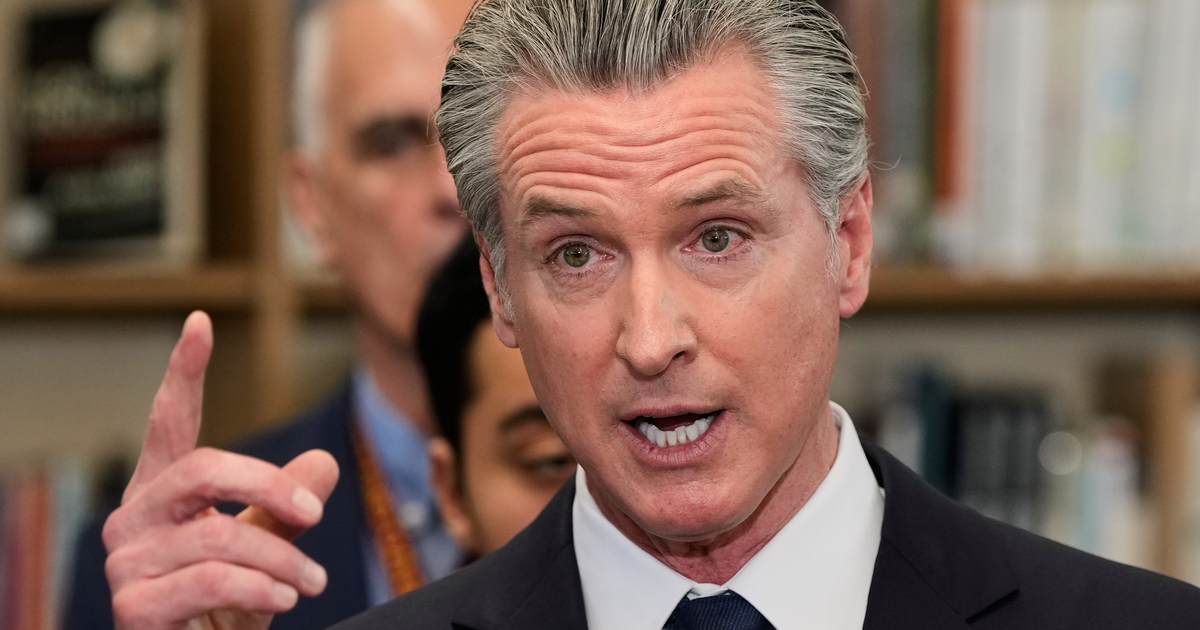
The measure, which overwhelmingly passed the state Assembly and is awaiting Senate action, would recognize Eid al-Fitr and Eid al-Adha in state law and could soon head to Democratic Gov. Gavin Newsom’s desk.
Assembly Bill 2017, introduced by Democratic San Francisco Assemblymember Matt Haney, passed the Assembly 64-1 in late May. It must clear the Senate before the legislative session ends Monday to reach Newsom.
Assembly Bill 2017 cleared the Assembly 64-1 and now awaits Senate action before it can reach the governor. Supporters frame the measure as a modest update to accommodate religious observance, while opponents see a slippery slope. The narrow vote against it in the Assembly did not quiet concerns about how broad recognition of religious holidays alters civic expectations.
Pew Research puts it at around one percent of the state’s total population. That’s it. One percent of California’s population is the statistic being cited most often by skeptics who worry about special recognition outpacing demographic weight.
This reaction is rooted in a conservative view that public policy should reflect national traditions and civic cohesion, not accelerate cultural change through official recognition. Critics argue that making government calendars reflect every group’s religious holidays invites fragmentation. They warn that the cumulative effect of small accommodations can reshape public norms over time.
Observers also point to other estimates and local trends, which sometimes show higher concentrations in particular counties or communities. We’re sure that’s just a coincidence, critics say, when localized growth meets policy changes at the state level.
That sense of unease gets framed in stark terms: incrementalism until they’re the majority and we’re all living under Sharia law. For many conservatives, the worry is less about individual believers and more about a political project that courts identity groups to reshape institutions. Language like that resonates because it ties policy to deeper questions about law, rights, and the character of public life.
Commentators on the right argue that the Left views organized religion differently than conservatives do, and that some activists see religious groups—any religious groups—as tools in a broader agenda. Those critics say that using religion as a political lever to remake civic institutions is exactly the kind of power play voters should resist. They point to past controversies over school activities and public funding as examples of where accommodation has become endorsement.
Others on the right make more provocative claims about cultural replacement and ideological aims, suggesting the Left intends to weaken traditional institutions to advance a progressive vision. Those are hot-button assertions meant to mobilize voters and sharpen the contrast with Democratic leaders. For many conservatives, this issue is also about who holds the keys to public life and how quickly change should be allowed.
For families who lost loved ones on September 11, and for survivors, the debate brings real emotion into the policy arena. Critics say honoring those memories matters when lawmakers consider how and when government recognizes religious observance. The tension between inclusion and preservation of civic norms will keep this on the front burner as the bill moves through the Capitol.