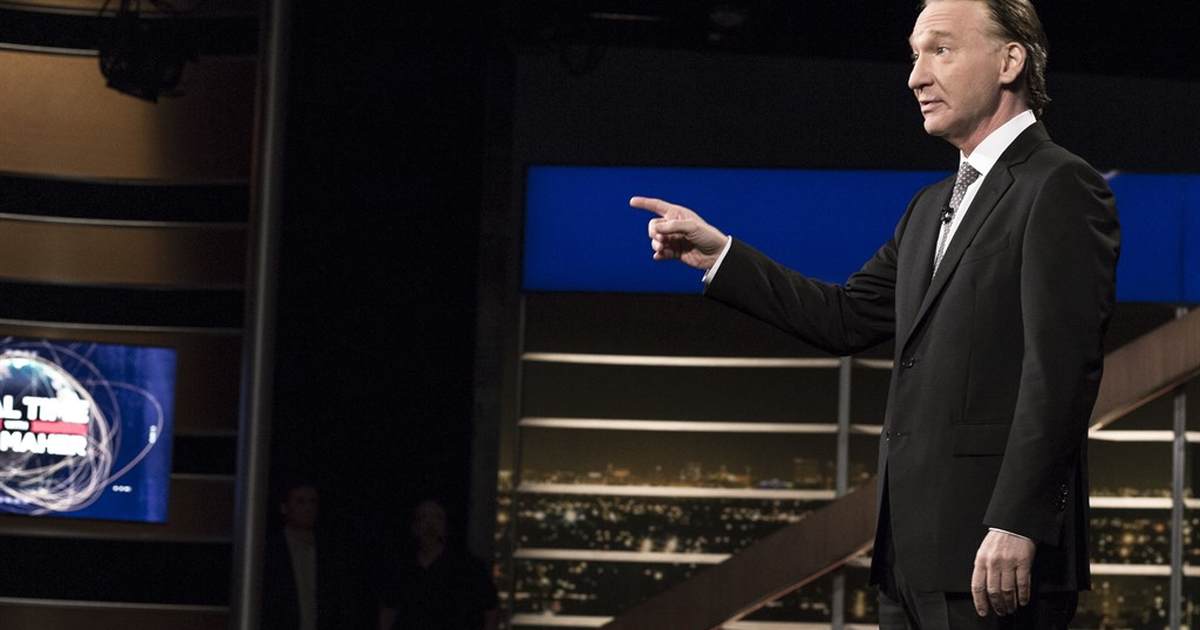
Bill Maher warned that the real radical threat on the left isn’t the elders in office but the young staffers running the agenda, and his take blames a generation of energized, online activists for pushing extremes that party leaders tolerate.
Bill Maher used his closing New Rules segment to lampoon both sides, but he aimed the sharpest barbs at Democrats and the people who actually shape their day-to-day decisions. He argued that the country’s leadership looks like a retirement community while the real energy — and the risky ideas — come from young operatives and aides. That split, he suggested, helps explain why fringe positions migrate into mainstream party policy without much resistance.
Maher’s point was simple: older lawmakers can be out of touch, but they don’t always know what drives the woke machinery. Junior staffers, the ones managing messaging and policy details, live online and bring a purity-test ethos into the offices of politicians who otherwise lack that frame of reference. When those staffers push for radical reforms, the elected officials either go along or are blindsided by the backlash later.
He described those aides as the Gen Z activists who romanticize revolution without much practical knowledge, turning outrage into a career move. Conservatives have their lunatics too, Maher admitted, but he argued that the recent wave of extreme behavior and rhetoric has been more prominent on the Left. That’s not just rhetoric; it’s about who’s pulling the levers behind the scenes.
The examples Maher and commentators point to are stark: Ralph Northam’s documented use of blackface and a depiction of KKK gear didn’t immediately end his political career, and other Democratic-aligned figures have survived scandals until mounting allegations forced change. Some local Democratic movements have supported candidates or tolerated behavior that many find abhorrent, showing a disconnect between public standards and internal tolerance. Those incidents fuel the argument that party gatekeepers are either unwilling or unable to rein in the worst impulses inside their ranks.
Maher framed his concern as a warning aimed squarely at Democrats and their internal dynamics. And his dire warning was more geared toward the Democrats:
https://x.com/billmaher/status/2093538867588784390
On the left, just abolish anything that isn’t working perfectly: police, prisons, borders, shopping lifestyle laws, the Senate, the Supreme Court, globalize the intifada, tampons in the boys’ room. You know, someone is coming up with this CRAZY stuff, and it’s not Dick Durbin, age 80. It’s the staffers.
[…]
Hey, memo to Democrats: the call is coming from inside the tent.
[…]
Democrats never really reckoned with: Why didn’t Joe Biden actually give us the return to normal he promised? Biden ran in 2020 as a single-issue candidate, eliminating malarkey. He wasn’t obsessing about intersectional queer theory. When Joe heard the word trans, he thought of Pontiac.”
“But his administration, that is the kids… they made gender identity the federal government’s Day 1 top concern. They’re the ones who told Kamala Harris that the answer to ‘Do you support tax-funded s*x changes for people in prison?’ was ‘ f*ck yeah.’ Instead of, ‘You’re f*cking kidding.’”
Those words land because they pair a critique of youthful zeal with a charge that senior leaders ceded authority over agenda-setting. Maher says the elected officials’ detachment made it easy for staffers to prioritize identity-driven policies that weren’t on the public’s radar during campaigns. That dynamic has consequences when a party’s platform drifts from what voters expected.
From a Republican perspective, this is more than an intra-party quarrel; it explains why voters get frustrated with Democrats who promise normalcy but deliver cultural overhauls. When staffers push items like drastic criminal justice changes, or prioritizing cultural reforms over bread-and-butter issues, it produces a mismatch between rhetoric and governance. Voters notice that gap at the ballot box.
Maher also pointed to an escalation in rhetoric and behavior among radicals on the left, arguing that some factions now condone or cheer violence and punitive measures against political opponents. That claim is meant to highlight how extreme activists can normalize hostility and push elected officials toward positions that are politically risky. The result is a party that can look fractured and unmoored to average Americans.
That internal tension — elderly leaders versus youthful operatives — creates practical problems for policy and politics. If senior figures lack the appetite or information to rein in activist staffers, controversial ideas can become federal priorities without broad public consent. The friction plays out in headlines, primaries, and the quiet decisions that shape rulemaking and enforcement.
For observers who vote conservative, Maher’s critique is useful because it acknowledges a real mechanism behind the Left’s radical turns. It’s one thing to mock policy positions; it’s another to point to how power is wielded inside offices and how messaging teams can recalibrate a party’s priorities. That internal machinery matters when assessing where a party is headed and why.
The takeaway Maher leaves is blunt: if a party’s base or its staffers are pushing extremes, leadership can’t pretend those choices come from nowhere. Responsibility sits at the top, but influence often flows from below. That tension will shape the next cycle of politics and which direction parties choose to take.