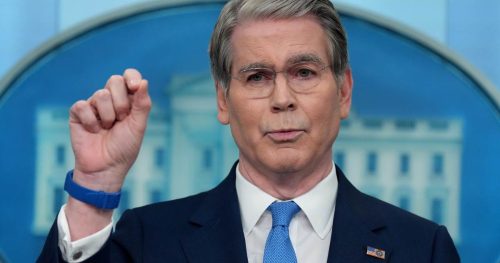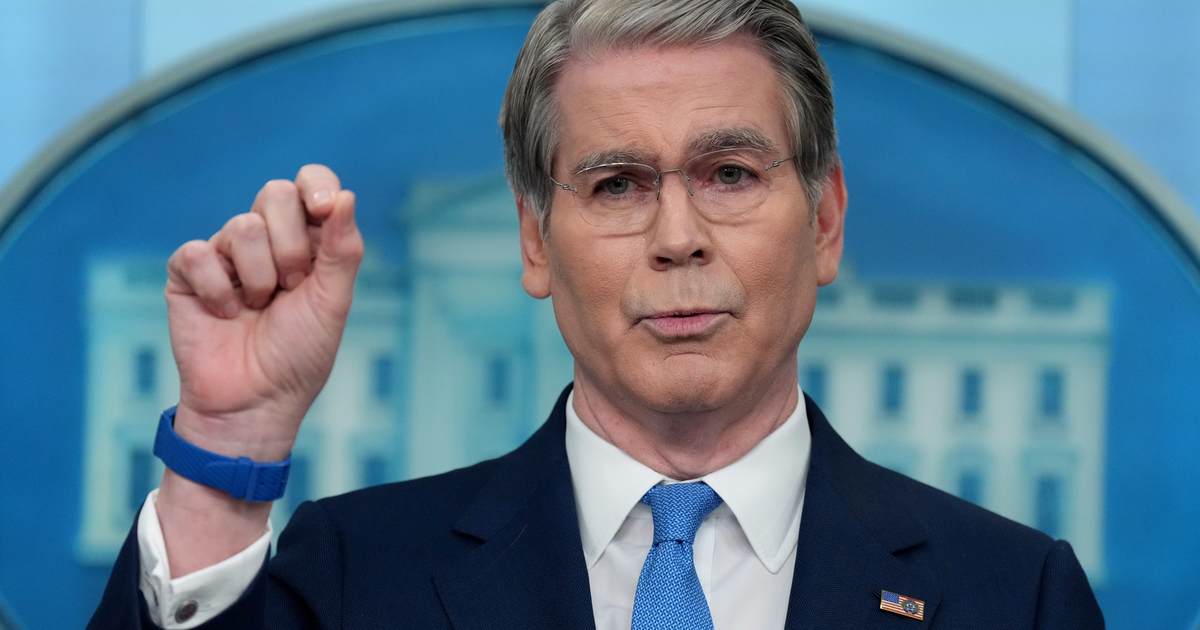
Summary: Treasury Secretary Scott Bessent dismissed Canada’s recent retaliatory tariffs with sharp sarcasm, arguing Ottawa lacks the leverage to pressure the United States and calling the dispute political theater that will not hold up under scrutiny.
Scott Bessent has become known for delivering the Trump administration’s positions with a mix of polish and blunt humor, and his recent interview about the widening trade spat with Canada was no exception. He treated the idea that Canada could meaningfully coerce the United States as laughable, using pointed language to make the point. The tone was unapologetic and distinctly aligned with a firm U.S. posture on trade.
In a television interview, Bessent waved off the idea that Canada could take the United States to task through retaliatory measures after both countries slapped 50 percent tariffs on selected goods. He noted the obvious size difference in economic clout, arguing that Canada simply does not have the economic heft to sustain a true tit-for-tat campaign. That argument came amid an escalation that followed failed trade talks the administration found unsatisfactory.
Bessent was clear about the politics behind Ottawa’s move, suggesting that Canadian leaders are prioritizing party advantage over their own citizens. “He came to power on an anti-American, anti-Trump agenda. He was 20 points behind in the polls. And then he started this. And it’s unfortunate that he’s not doing what’s best for the Canadian people. He’s doing what is best for the Liberal Party, what’s best for Mark Carney. And in the long run, the Canadian people are going to see through that.” Those lines were framed as a critique of motives, not just policy.
When pressed about whether the situation amounted to a true trade war, the on-air exchange was short and direct. “Are you meeting with your Canadian counterpart here?” the interviewer asked. “I am.” “Because, I guess, markets are wondering if we’re now in a tit-for-tat trade war with Canada,” she said. Bessent’s answers were concise and dismissive of the notion that Ottawa could force a strategic retreat by Washington.
“Well, I don’t think you can be in a tit-for-tat with someone who’s 13 times larger than you are,” he said, pointing to a scale mismatch that he believes makes sustained retaliation implausible. He framed the dispute as political bluster rather than a genuine threat to U.S. economic security. That perspective reflects a confidence that the U.S. can absorb these skirmishes without conceding on core negotiating positions.
https://x.com/EricLDaugh/status/2094438628587979055
Bessent punctuated his point with a bit of levity aimed at undercutting the idea that Canada poses a military or coercive risk. “What, are they going to take their two submarines from the Edmonton Mall and sick them on us?” he joked, using sarcasm to underline the asymmetry. The quip landed as a rhetorical device meant to expose the mismatch between threats and reality in this trade row.
Beyond the zingers, the substance is straightforward: Washington imposed steep tariffs and Ottawa matched the dollar value with its own countermeasures. Canada announced retaliatory duties that mirror roughly $20 billion in U.S. goods, with rates ranging from 15 to 50 percent on select imports. Those counter-tariffs were set to begin on September 8, making the confrontation immediate for affected industries on both sides of the border.
The policy choices are deliberate on both ends, and Bessent framed Ottawa’s moves as political theater that will ultimately fail to protect Canadians from the fallout. He said the Canadian leader has turned the situation into a “political shouting match,” implying that electoral calculations outweigh long-term economic thinking. That critique aligns with a broader Republican view that trade policy should defend American interests decisively.
From a Republican standpoint, firm action on tariffs is part of a broader strategy to secure better deals and push trading partners toward fairer terms. Bessent’s tone and messaging reinforced that the administration sees confrontation as a tool, not a crisis. His rhetoric was sharp because the administration intends to be uncompromising on issues it views as critical to national economic health.
For industries caught in the crossfire, the immediate concern is the cost and complexity of new duties that can disrupt supply chains and raise consumer prices. But the administration’s posture signals it is willing to accept short-term pain for what it frames as longer-term gains: stronger protections for American production and leverage in future negotiations. That tradeoff is central to the policy argument being made publicly.
An editorial aside appeared alongside the coverage, praising the broader political direction and urging readers to support continued reporting on the administration’s agenda. The note framed the current moment as part of a larger push to secure what supporters call a “Golden Age” for American policies. It was positioned as commentary reflecting the political stakes tied to the trade dispute.
The clash with Canada is the latest flashpoint in a series of trade actions that the administration believes will reset global expectations about market access. Bessent’s mix of sarcasm and blunt assessment was intended to make that case plainly: Ottawa’s threats are loud, but they are not likely to change the strategic course the U.S. has chosen. The message was clear and unapologetic in tone.