This article takes aim at Hakeem Jeffries’ defense of renaming Lake Ontario and argues Democrats are focused on political theater over pocketbook issues, contrasting GOP policy wins and criticizing cultural priorities.
The Democratic Party presents itself as the champion of everyday Americans, but actions often tell a different story. They opposed the Working Families Tax Cuts in the One Big Beautiful bill, and officials like Virginia’s Abigail Spanberger reportedly raised taxes after taking office. That pattern makes their 2026 message look thin and obsessed with disruption rather than everyday concerns.
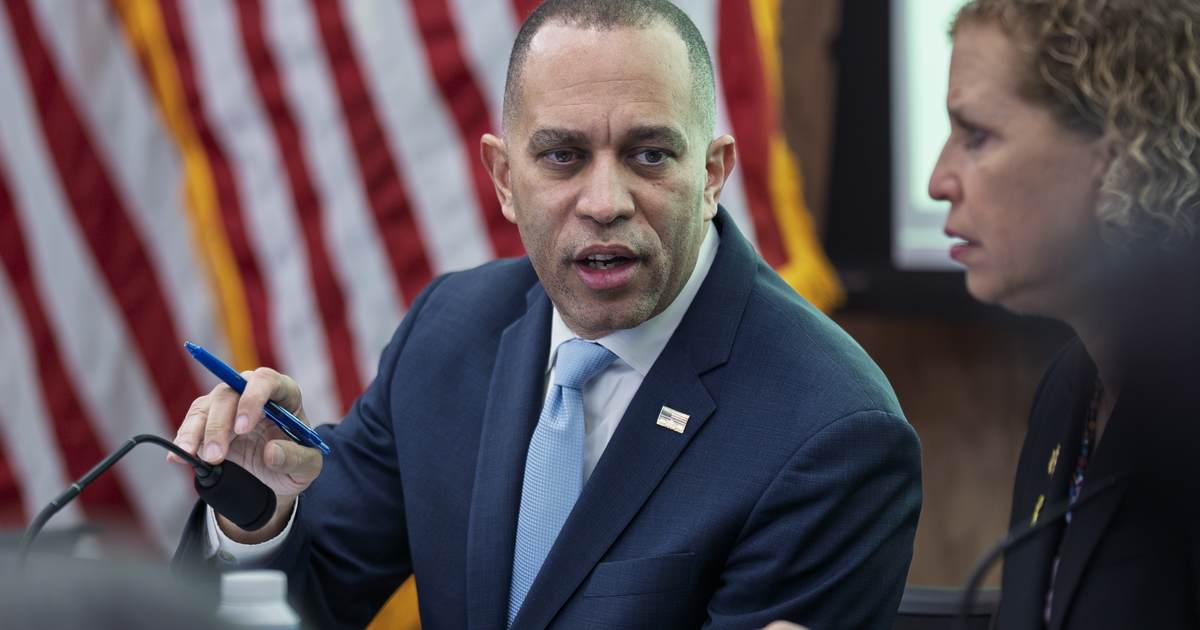
Jeffries recently promised Democrats would hold the “Trump cartel” accountable if they regain power, and that rhetoric reveals priorities. Instead of talking affordability, housing, or crime reduction, much of the strategy sounds like lawfare aimed at political enemies. The focus is on score-settling, not solutions.
Then there’s the flap over renaming Lake Ontario, which feels symbolic rather than substantive, and Jeffries’ complaint about it landed with a thud. Symbol swaps and renames grab headlines but rarely change people’s lives or budgets.
Meanwhile, Republicans point to tangible wins they say benefit working families: prescription drug prices falling to 60-year lows and protections like “no tax on tips” and “no tax on overtime” gaining broad public approval. Those are the kinds of policies that affect paychecks and medicine cabinets. Even initiatives labeled as “Trump Accounts” get credit for moving the needle on pocketbook issues.
What did tearing down statues or renaming forts actually deliver to people who are struggling to make rent or find work? Democrats doubled down on these cultural projects after 2020, and states like Virginia have removed Confederate monuments, including one of Stonewall Jackson. The history debate plays well in certain circles, but it doesn’t fix grocery bills or reduce violent crime.
https://x.com/RepJeffries/status/2094213690681598291?ref_src=twsrc%5Etfw
With Democrats, every accusation is a confession; calling the opposition “extremists” signals more about their playbook than any alleged threat. By labeling Republicans that way, Jeffries hands over the narrative that politics is a moral crusade rather than governance.
Plain indifference to practical outcomes is part of the problem. They don’t care about that if it doesn’t score political points, and the strategy often looks like copy-paste from past administrations. Small-town voters see policy results first and rhetoric second.
That pattern echoes actions tied to President Biden and other Democratic leaders, where blame and distraction have repeatedly replaced clear, accountable leadership. The cycle of slogans and investigations wears thin when people judge results at the grocery store and the pharmacy counter.
Jeffries seems comfortable with tactics that disenfranchise political opponents, believing that consolidating power improves his side’s life while ignoring the broader damage. That willingness to play hardball with democracy itself is telling about priorities.
He reacts strongly when challenged, which says as much about temperament as it does about policy. Sensitivity and theatrical outrage have become political tools, not policy responses.
And yet they expect different treatment; “That’s (D)ifferent of course. Because reasons.” That shrug of double standards is part of the problem voters see. Expecting exceptions for favored actors undermines confidence in fair governance.
Those cultural victories and theatrical postures may satisfy some activists, but they also underscore that the Left often dominates the conversation while avoiding concrete fixes. That dominance doesn’t translate automatically into better lives for ordinary Americans.
The Democrats’ playbook increasingly looks like weaponizing government to punish political rivals and supporters of opposing leaders. Their rhetoric paints political participation as a punishable offense, describing partisan opposition as a “crime” in need of response. With elections on the horizon, the contrast between grievance politics and policies that directly lower costs will matter to voters.