We’re just nine days out from the Republican midterm convention and left-wing groups are already mobilizing to make a scene, but the turnout and impact look questionable.
We’re just nine days out from the historic Republican midterm convention, and radical progressives are already gearing up to protest it. The loudest voices on the left are announcing plans and positioning themselves to be seen, but planning a protest and actually changing the moment are two different things. The national GOP has framed this convention as a major spectacle, and organizers expect high visibility across the two days.
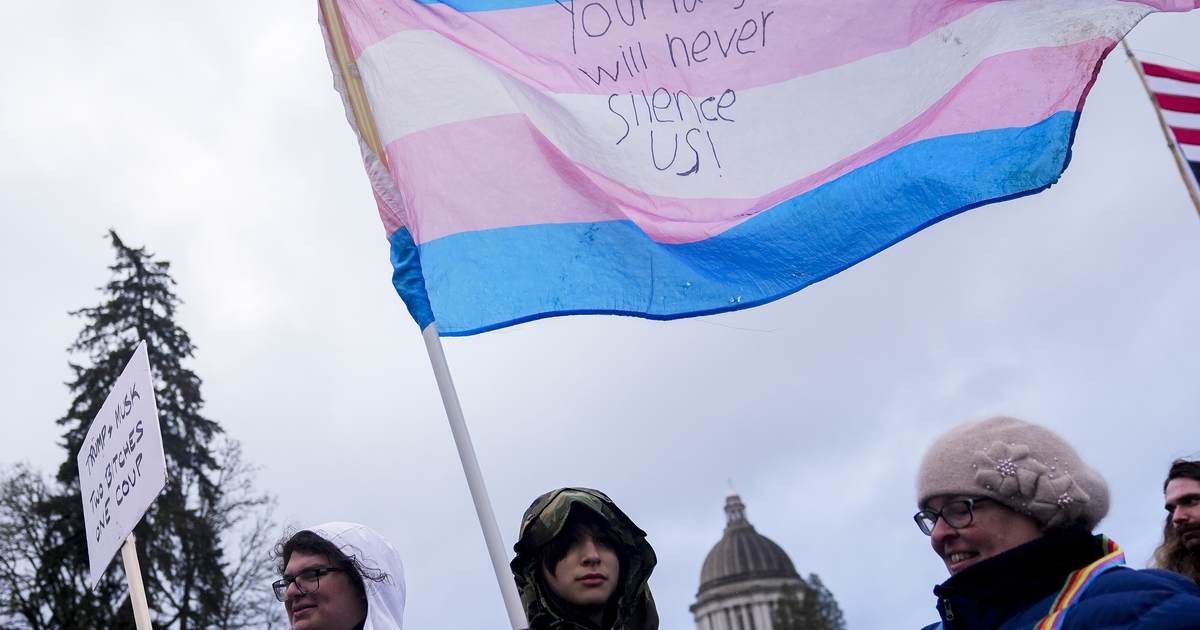
Multiple left-leaning coalitions and activist groups have publicized intentions to show up and march during the event. They’ve been vocal about disrupting what they frame as an extension of the America First agenda. The practical question is whether these groups will bring real numbers and coordination or mostly generate noise inside a media echo chamber.
The Dallas Against the Trump Agenda Coalition (that’s a mouthful) looks like it’s going to be filled with the biggest bunch of losers that the Dallas-Forth Worth area has to offer. Many of the groups involved have openly backed far-left candidates and fringe policies that alienate mainstream voters. That disconnect makes it hard to see them translating online outrage into a credible public-show presence that shifts attention away from the convention floors.
https://x.com/CurrentRevolt/status/2094215683009646877
So far the organizers seem to have carved out a short window of activity, and they appear to be banking on symbolic impact rather than sustained occupation. Still, it looks like they only managed to wrangle up enough protesters to make a stink during the second day of the event. Even worse for them, they’re only planning on for two hours. That kind of time-limited stunt reads more like a photo op than anything resembling organized resistance.
There’s a chance some out-of-state activists will travel in to boost numbers, and national progressive networks do coordinate such drop-in efforts from time to time. The GOP, meanwhile, has been marketing the convention aggressively and signaling that this is a major moment for the party. Given the scale of Republican turnout the party expects, it’s tough to imagine a small contingent of protesters shifting the narrative or derailing the schedule in any meaningful way.
Momentum matters, and momentum is built by steady turnout, convincing messaging, and disciplined logistics — things these leftist coalitions haven’t shown consistently. Many of their endorsed figures lack broad appeal, which limits grassroots enthusiasm beyond a committed online base. The contrast between a well-organized national convention and a handful of aggrieved activists with limited reach is stark when you watch planning and execution closely.
On the ground, real logistics determine whether a protest becomes a story or a footnote: permits, marshals, transportation, coordination with media, and sustained presence. By signaling a brief, two-hour action, these groups have telegraphed their constraint and handed narrative control back to the convention. When protests are brief and symbolic, they’re easy to manage and easy for hosts to absorb into the broader event storyline without disruption.
Myself and some other members of the Townhall crew will be in attendance to provide live updates and content regarding the event of the cycle. Being on the ground will make it clear which side came prepared for a sustained, persuasive public presence and which side arrived with a camera-ready moment. Observers who want to separate real political energy from performative outrage should watch how these groups actually execute on the days in question.
Expect sound bites, staged visuals, and the usual charging rhetoric from activists who aim to attract attention rather than build durable coalitions. The GOP’s convention machinery is designed to absorb that noise and keep the focus on messaging and turnout. Whether these protests amount to a meaningful challenge or merely a handful of theatrical disruptions will be answered in real time on September 9 and 10.